Herbs That Grow in Water Fast
Have you ever wished you could snip fresh herbs right from your kitchen counter to add zest to your meals? Imagine a mini-garden thriving effortlessly in water, bringing the beauty of nature indoors. It’s easier than you think, and incredibly rewarding!
Growing herbs in water offers a fantastic way to enjoy fresh flavors year-round, even without a sprawling garden. It’s perfect for apartment dwellers, beginner gardeners, or anyone looking for a low-maintenance, visually appealing way to grow their own food. Plus, it's a great method for propagating new plants from existing ones, expanding your herb collection on a budget. Let's explore some herbs that love a watery home and how you can get started!
Best Herbs That Grow in Water Fast
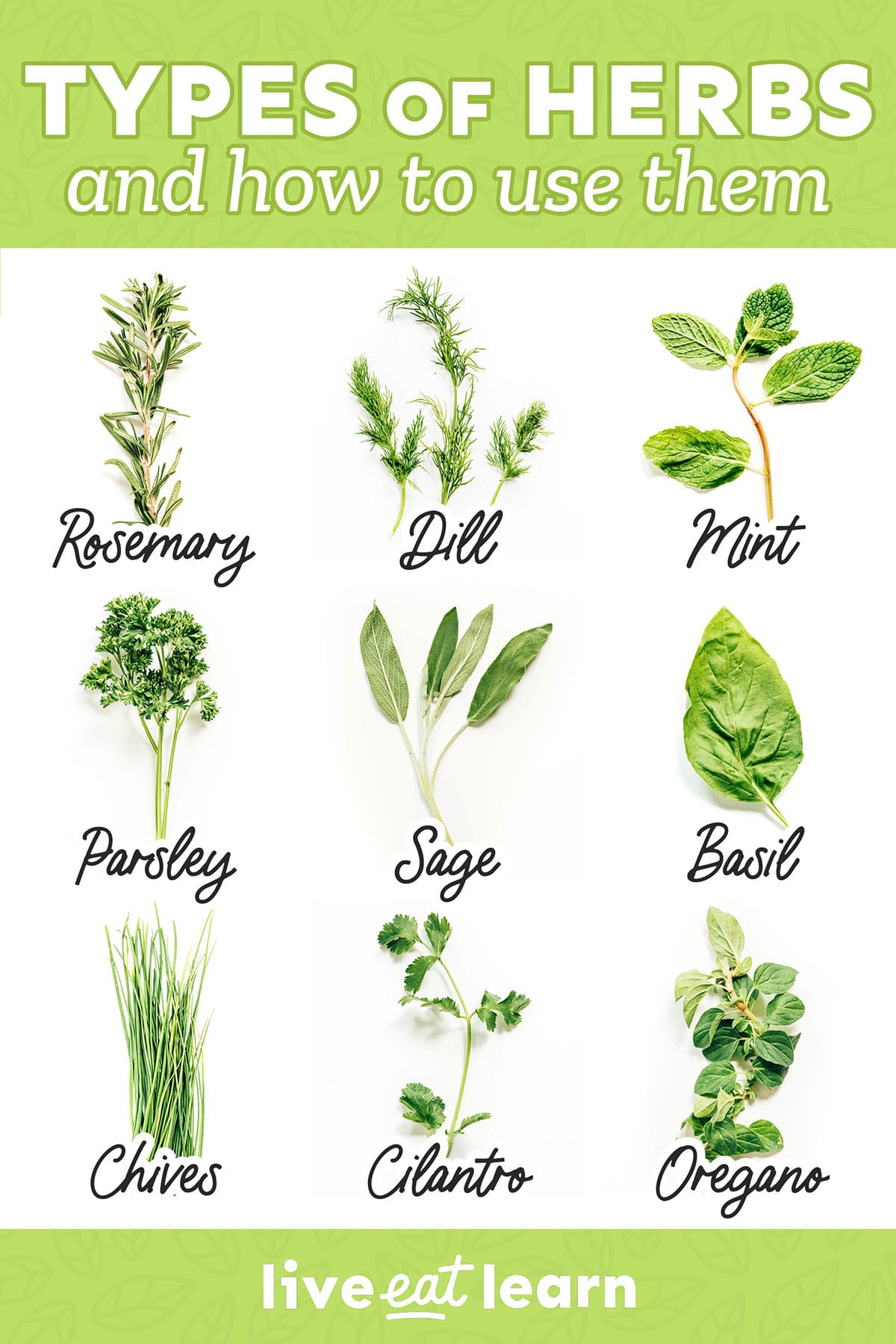
Not all herbs are created equal when it comes to water propagation and sustained water growth. Some thrive, putting out roots and lush foliage, while others… well, not so much. Here are some of the best herbs that grow in water fast and flourish with minimal effort: Mint: This is arguably the easiest herb to grow in water. Mint roots incredibly quickly and will happily produce new leaves, filling your space with its refreshing aroma. Snip a few stems (4-6 inches long), remove the leaves from the lower half, and place them in a glass of water. Change the water every few days, and roots should appear within a week or two. You can then transfer the rooted cuttings to soil or continue growing them in water. Experiment with different varieties like peppermint, spearmint, or chocolate mint! Basil: Another kitchen staple that readily roots in water. Similar to mint, take cuttings from healthy basil plants, remove the lower leaves, and place them in water. Basil prefers a sunny location, so a windowsill is ideal. Replace the water every couple of days. Once the roots are a couple of inches long, you can transplant to a pot with well-draining soil or keep it going in water. Remember that basil grown in water might not be as intensely flavored as soil-grown basil, but it will still add a delicious touch to your dishes. Oregano: This flavorful herb is surprisingly easy to propagate in water. Follow the same process as with mint and basil: take cuttings, remove lower leaves, and place in water. Oregano enjoys bright, indirect light. Once rooted, you can transfer to soil or continue growing in water. Rosemary: Rosemary can be a little trickier than mint or basil, but it’s certainly achievable. The key is to take cuttings from new growth and ensure the water is clean. Rosemary also benefits from a slightly darker environment during the initial rooting phase. Once roots appear, gradually introduce it to brighter light. Remember, rosemary prefers well-drained conditions whether in soil or water, so don't let the roots sit in stagnant water for too long. Lemon Balm: With its delightful lemony fragrance, lemon balm is a welcome addition to any indoor herb garden. It roots easily in water using the same method as mint and basil. Lemon balm prefers partial shade, making it a good choice for locations that don't receive direct sunlight. Stevia: If you're looking for a natural sweetener, stevia is an excellent option to grow in water. It roots relatively easily and can provide you with a steady supply of sweet leaves for teas and other culinary creations.
Setting Up Your Water Herb Garden: A Step-by-Step Guide
Growing herbs in water is simple, but following these steps will ensure success:
1.Choose Your Cuttings: Select healthy, vibrant stems from your existing herb plants. Look for stems that are 4-6 inches long and free from disease or pests. Using clean, sharp scissors or pruning shears will help prevent infection.
2.Prepare the Cuttings: Remove the leaves from the lower half of the stem. This prevents the leaves from rotting in the water and encourages root growth.
3.Select Your Container: A glass jar, vase, or even a repurposed bottle will work perfectly. The container should be clean and allow enough space for the roots to develop. Clear glass is preferable as it allows you to monitor root growth.
4.Add Water: Fill the container with clean, filtered water. Avoid using tap water if it contains high levels of chlorine or other chemicals, as this can inhibit root growth.
5.Place the Cuttings: Arrange the cuttings in the water, ensuring that the cut ends are submerged but the remaining leaves are above the waterline.
6.Find the Right Location: Place the container in a location that receives bright, indirect sunlight. Avoid direct sunlight, as this can overheat the water and damage the cuttings.
7.Change the Water Regularly: Refresh the water every 1-2 days. This prevents the water from becoming stagnant and provides the cuttings with fresh nutrients.
8.Monitor Root Growth: Within a week or two, you should start to see roots emerging from the cut ends of the stems.
9.Transplant (Optional): Once the roots are a couple of inches long, you can either transplant the cuttings to a pot with well-draining soil or continue growing them in water.
If you choose to keep your herbs growing in water long-term, you'll need to add a diluted liquid fertilizer every few weeks to provide them with the nutrients they need to thrive.
Can herbs really grow indoors in winter?
Absolutely! Growing herbs in water is an excellent way to enjoy fresh herbs indoors during the winter months. The key is to provide them with sufficient light, either through a sunny windowsill or a grow light. Some herbs, like mint and lemon balm, are more tolerant of lower light conditions than others. Also, be mindful of the temperature. Keep them away from drafts and heating vents, which can dry them out.
Which herbs grow faster in pots?
While this article focuses on water propagation and growth, many herbs thrive in pots as well! Herbs like basil, chives, parsley, and thyme are excellent choices for container gardening. They appreciate well-draining soil, regular watering, and plenty of sunlight. Choose a pot size appropriate for the mature size of the herb, and be sure to provide adequate drainage to prevent root rot.
What if my herbs aren't rooting?
If your herb cuttings aren't rooting after a couple of weeks, don't despair! Here are a few troubleshooting tips: Check the Water Quality: Ensure that you're using clean, filtered water and changing it regularly. Inspect the Cuttings: Look for any signs of rot or disease. If present, discard the affected cuttings and start with fresh ones. Adjust the Lighting: Make sure the cuttings are receiving enough light but are not exposed to direct sunlight. Try a Rooting Hormone: A rooting hormone can sometimes help to stimulate root growth, especially for herbs that are more difficult to root. Be Patient:Some herbs take longer to root than others. Be patient and continue to provide them with the care they need.
Container Gardening Tips: Expanding Beyond Water
While growing herbs in water is a simple and rewarding method, you can also incorporate container gardening to create a more diverse and productive herb garden. Here are a few container gardening tips to help you get started: Choose the Right Containers: Select containers that are appropriate for the size and type of herbs you want to grow. Ensure that the containers have drainage holes to prevent waterlogging. Use High-Quality Potting Soil: Use a well-draining potting mix that is specifically formulated for container gardening. Avoid using garden soil, as it can become compacted in containers. Provide Adequate Sunlight: Most herbs require at least 6 hours of sunlight per day. Choose a location that receives plenty of sunlight or supplement with grow lights. Water Regularly: Water your herbs regularly, especially during hot and dry weather. Check the soil moisture before watering and avoid overwatering. Fertilize Regularly: Fertilize your herbs every few weeks with a balanced liquid fertilizer. This will provide them with the nutrients they need to thrive. Prune Regularly: Prune your herbs regularly to encourage bushier growth and prevent them from becoming leggy. Protect from Pests and Diseases:Monitor your herbs regularly for signs of pests and diseases. Take appropriate action to prevent and control any problems that arise.
Growing herbs in water fast is just the beginning! With a little experimentation and the right care, you can create a thriving indoor herb garden that provides you with fresh flavors and aromatic beauty all year round. Don't be afraid to try different herbs and growing techniques. The world of herbs is vast and fascinating, waiting to be explored!
Post a Comment for "Herbs That Grow in Water Fast"