Aloe Vera as a Natural Spray for Tomatoes
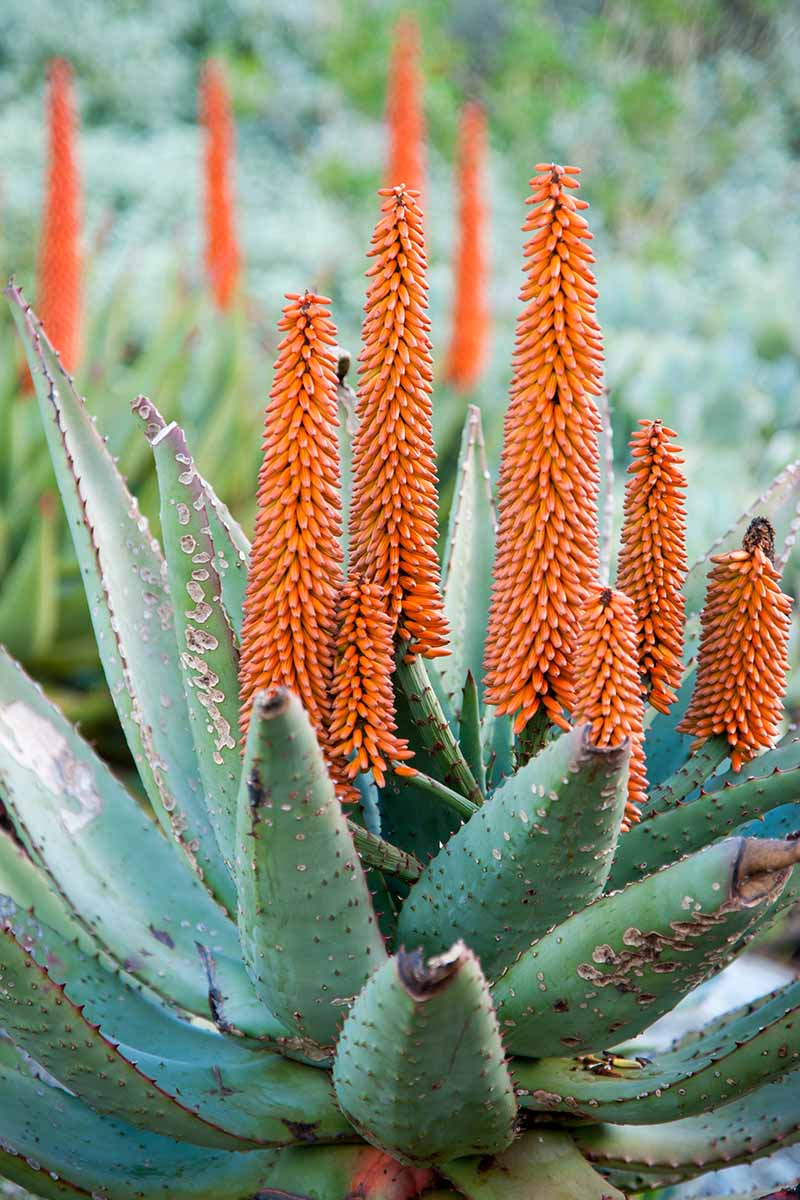
Is there anything more satisfying than biting into a sun-ripened tomato, bursting with flavor? Now imagine nurturing those juicy jewels with a completely natural and effective spray made from something you might already have growing in your home: Aloe Vera!
Using Aloe Vera as a natural spray for your tomatoes isn't just some quirky gardening hack; it's a fantastic way to boost their health, protect them from certain diseases, and even encourage better growth. We're talking about harnessing the power of nature to create a thriving tomato patch, free from harsh chemicals. Plus, it's incredibly easy and cost-effective!
Why Aloe Vera for Your Tomatoes?
Aloe Vera isn't just for soothing sunburns! This succulent is packed with beneficial compounds that can work wonders in your garden. Aloe contains salicylic acid, a natural plant hormone that helps trigger a plant’s defense system against pathogens. It also boasts a range of vitamins, minerals, and enzymes that can act as a biostimulant, encouraging vigorous growth and overall plant health. For tomatoes specifically, this means stronger stems, improved resistance to fungal diseases, and potentially even a sweeter, more abundant harvest. Think of it as a natural multivitamin and shield for your precious tomato plants.
How to Make Your Aloe Vera Tomato Spray
Making your own Aloe Vera spray is surprisingly simple. Here's a step-by-step guide to get you started:
1.Harvest your Aloe: Select a mature Aloe Vera leaf. The outer leaves are typically older and contain a higher concentration of beneficial compounds. Cut the leaf close to the base of the plant.
2.Extract the Gel: Carefully slice off the spiky edges of the leaf. Then, using a knife or spoon, scoop out the clear gel from inside the leaf. Avoid including the yellow sap (aloin) located just under the skin, as it can be a bit harsh for some plants in high concentrations.
3.Blend (Optional): While not strictly necessary, blending the gel with a little water (filtered or rainwater is best) will make it easier to mix and spray. Use about 1 cup of water for every 2 tablespoons of Aloe Vera gel.
4.Dilute: This is crucial! Aloe Vera gel is potent, so dilution is key to avoid overwhelming your plants. A good starting point is to mix 1 part Aloe Vera gel solution with 5 parts water. So, for example, you might mix 100ml of the Aloe Vera solution with 500ml of water.
5.Strain (Optional): If you didn't blend the gel thoroughly or are using a sprayer with a fine nozzle, straining the mixture through a cheesecloth or fine-mesh sieve will prevent clogging.
6.Pour into Spray Bottle: Transfer your diluted Aloe Vera solution into a clean spray bottle.
7.Spray Away!Apply the spray to your tomato plants, focusing on the leaves (both top and bottom), stems, and even the developing fruit.
When and How Often to Spray
Timing is important for maximizing the benefits of your Aloe Vera spray. Here's a general guideline:Preventative Spray: To help prevent fungal diseases, start spraying your tomato plants every 1-2 weeks, starting when they are young seedlings or shortly after transplanting them into your garden. During Disease Outbreaks: If you notice early signs of fungal diseases like early blight or septoria leaf spot, increase the frequency of spraying to every 3-4 days until the symptoms subside. Best Time of Day: Spray in the early morning or late evening, when the sun isn't as intense. This will prevent the Aloe Vera solution from drying too quickly and potentially causing leaf burn. After Rain: Reapply the spray after heavy rain, as the rain will wash away the solution.
Troubleshooting Tips
Leaf Burn: If you notice any signs of leaf burn (brown, crispy edges), it could be a sign that your Aloe Vera solution is too concentrated. Dilute it further and test on a small area before spraying the entire plant. Clogged Sprayer: If your sprayer gets clogged, it's likely due to undissolved Aloe Vera gel. Be sure to strain the solution thoroughly before adding it to the spray bottle. Ineffective Spray:If you're not seeing the desired results, make sure you're using a mature Aloe Vera leaf and properly diluting the gel. Also, consider other factors that could be affecting your tomato plants, such as soil health, watering practices, and sunlight exposure.
Complementary Herbs for Tomato Health
While Aloe Vera offers excellent protection and growth support, consider pairing it with other beneficial herbs to create a thriving and resilient tomato garden. Companion planting is a fantastic strategy!
Basil: Not just delicious with tomatoes, basil repels tomato hornworms and whiteflies. Plant basil directly next to your tomato plants for optimal protection. Marigolds: These cheerful flowers are known for their ability to deter nematodes and other soil pests. Plant them around the perimeter of your tomato patch. Chives: Chives can help deter aphids and Japanese beetles, both common tomato pests. Borage: Borage attracts beneficial insects like bees and hoverflies, which can help pollinate your tomato plants and control pests.
People Also Ask
Can I use Aloe Vera spray on other vegetable plants besides tomatoes?
Absolutely! Aloe Vera spray is generally safe and beneficial for a wide range of vegetables, including peppers, cucumbers, zucchini, and leafy greens. Just be sure to test the spray on a small area of the plant first to ensure it doesn't cause any adverse reactions. It's a particularly useful preventative measure against common fungal diseases that affect many garden vegetables. Think of it as a gentle boost for their immune system!
Does the type of Aloe Vera matter for making the spray?
While Aloe barbadensis milleris the most common and widely available variety, and therefore often recommended, other types of Aloe Vera may also offer beneficial properties. The key is to ensure that the Aloe Vera plant is mature and healthy, as this will result in a higher concentration of beneficial compounds in the gel. Avoid using Aloe Vera products that contain added chemicals or preservatives, as these could be harmful to your plants. Pure, unadulterated Aloe Vera gel is always the best choice.
How long does the Aloe Vera spray last once it's made?
For best results, use the Aloe Vera spray as soon as possible after making it. The beneficial compounds in the Aloe Vera gel can degrade over time, especially when exposed to light and air. If you need to store the spray, keep it in a sealed container in a cool, dark place for no more than a week. You might notice a slight change in color or odor after a few days, which is normal. If the spray develops a strong, unpleasant odor, it's best to discard it and make a fresh batch.
Beyond Tomatoes: Other Uses for Aloe Vera in the Garden
The versatility of Aloe Vera extends far beyond just a tomato spray. Here are a few other ways you can incorporate this amazing succulent into your gardening routine: Rooting Hormone: Dip cuttings in Aloe Vera gel before planting to encourage faster and stronger root development. The gel contains compounds that stimulate root growth and protect against fungal infections. Seed Germination: Soak seeds in diluted Aloe Vera solution before planting to improve germination rates and seedling vigor. Wound Healing: Apply Aloe Vera gel to damaged or pruned plant parts to promote healing and prevent infection. Soil Amendment: Add Aloe Vera gel or juice to your soil to improve water retention and provide essential nutrients.
The world of natural gardening is filled with exciting discoveries, and using Aloe Vera as a natural spray for tomatoes is just one small example of how you can harness the power of plants to nurture other plants. Don't be afraid to experiment and observe how your garden responds. Every garden is unique, and the more you learn, the more rewarding your gardening journey will become. Happy growing!
Post a Comment for "Aloe Vera as a Natural Spray for Tomatoes"