Milk-Based Sprays That Strengthen Tomato Plants
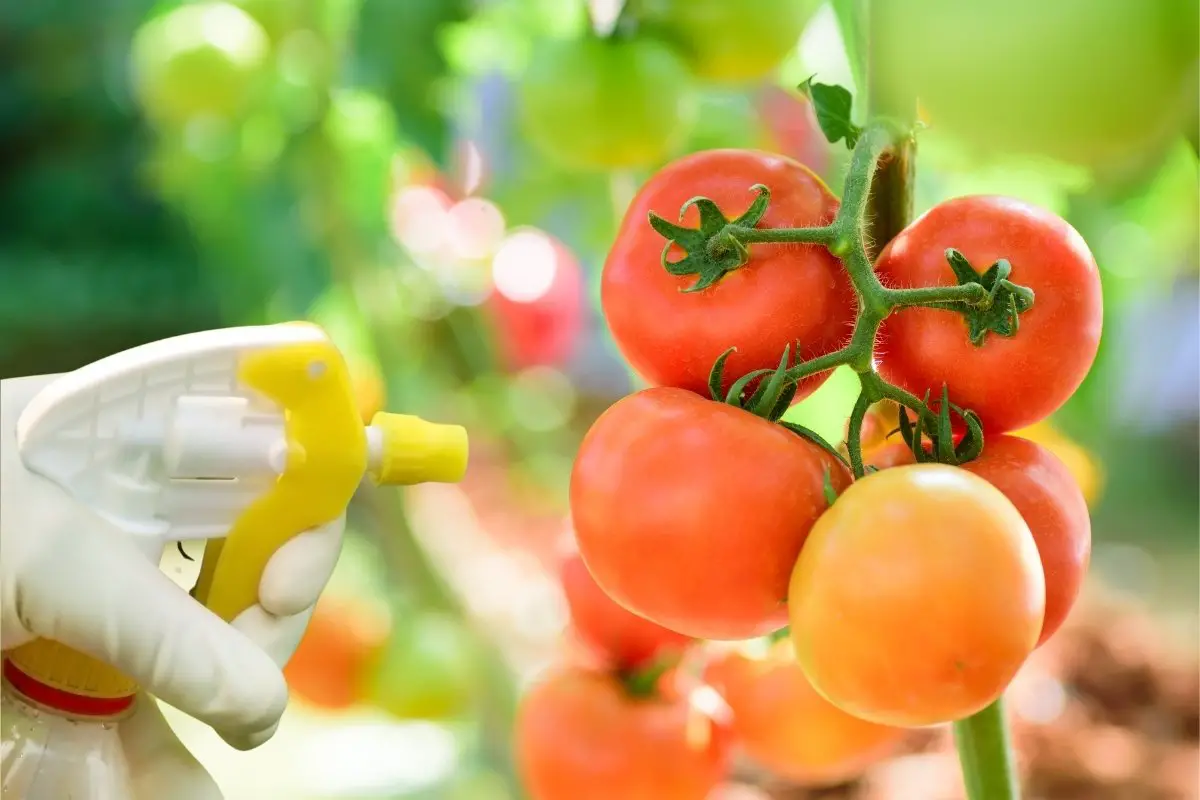
Ever dream of tomatoes bursting with flavor, so vibrant they practically glow in your garden? Achieving that level of tomato perfection might be easier than you think, and it involves a simple, often overlooked ingredient: milk.
Milk-based sprays aren’t just an old wives' tale; they offer a surprisingly effective and eco-friendly way to strengthen your tomato plants, fight off common diseases, and boost their overall health. This is great news for both your garden and your kitchen! Imagine using tomatoes you’ve nurtured with natural methods to create the most delicious sauces, salads, and salsas. Plus, using milk sprays reduces the need for harsh chemical treatments, making your garden a safer haven for beneficial insects and pollinators. Let's dive into how this simple technique can transform your tomato-growing experience, and even show you how you can pair certain best herbs to grow nearby that will benefit from the same milk spray!
The Science Behind Milk Sprays for Tomato Plants
It might sound too good to be true, but there’s solid science backing the benefits of milk sprays. The key lies in the proteins and sugars present in milk. These components act as a natural defense mechanism, triggering a plant's immune system and strengthening its resistance to fungal diseases, especially powdery mildew and certain viruses.
When applied to the leaves of tomato plants, milk proteins create a protective barrier. This barrier inhibits the germination and spread of fungal spores. Lactoferrin, an iron-binding protein found in milk, also possesses antimicrobial properties that contribute to disease suppression. Moreover, the sugars in milk can act as a foliar feed, providing a slight boost of energy to the plant. This is especially beneficial for young or stressed tomato plants. We’ve found it’s particularly helpful to use milk spray when transplanting seedlings; the light feeding combined with fungal protection gives them a fantastic start.
Using milk sprays also promotes a healthier soil environment. As the milk washes into the soil (which it inevitably will!), it introduces beneficial bacteria that can help break down organic matter and improve nutrient availability for your tomato plants. This is especially important if you’re practicing container gardening, where soil nutrients can become depleted more quickly.
How to Prepare and Apply Milk Sprays
Creating a milk spray for your tomato plants is incredibly easy. Here's a step-by-step guide:
1.Choose Your Milk: You can use whole milk, 2% milk, or even powdered milk. Skim milk is less effective because it has a lower fat content. Raw milk, if you have access to it, offers the most benefits due to its higher concentration of beneficial enzymes and microorganisms.
2.Dilution is Key: The ideal ratio is typically 1 part milk to 9 parts water (a 10% solution). For example, you can mix 1 cup of milk with 9 cups of water. Using too much milk can actually promote fungal growth, so be sure to stick to the recommended dilution.
3.Mix Thoroughly: Combine the milk and water in a clean sprayer bottle and shake well to ensure they are properly mixed.
4.Application Time: Apply the milk spray early in the morning or late in the evening when the sun isn't too intense. This prevents the leaves from getting burned.
5.Spray Generously: Thoroughly spray all parts of the tomato plant, including the tops and undersides of the leaves. This ensures that the protective barrier is evenly distributed.
6.Frequency: For preventative measures, spray your tomato plants every 7-14 days. If you notice signs of powdery mildew or other fungal diseases, you may need to spray more frequently (every 3-5 days) until the symptoms subside.
7.Optional Boost: Some gardeners add a teaspoon of baking soda per gallon of milk spray to further enhance its anti-fungal properties. However, test this on a small area of the plant first to ensure it doesn't cause any adverse reactions.
Remember, consistency is key! Regular applications of milk spray will significantly improve the health and resilience of your tomato plants, leading to a more abundant and flavorful harvest. You can even use this on other plants around the garden, with certain herbs benefiting particularly well!
Companion Planting and Milk Spray Synergy
The power of milk sprays can be further amplified by employing companion planting techniques. Certain herbs, when planted near tomato plants, can provide additional protection against pests and diseases. When using milk sprays on your tomatoes, you can also give these companion herbs a light spritz, too!
For example, basil is a fantastic companion plant for tomatoes. It repels tomato hornworms and whiteflies, and is thought to improve the flavor of tomatoes. Marigolds are another excellent choice, as they deter nematodes and other soil-borne pests. Garlic and onions can also help to keep aphids and other unwanted visitors away from your tomato plants.
By combining the benefits of milk sprays with the natural pest-repelling properties of companion plants, you create a synergistic effect that significantly enhances the health and productivity of your tomato garden. When spraying your tomatoes with milk, give your basil, marigolds, or garlic plants a light mist as well, further strengthening their natural defenses. This integrated approach to gardening is not only effective but also environmentally friendly, promoting a healthy and balanced ecosystem in your backyard.
Troubleshooting and Tips for Success
While milk sprays are generally safe and effective, there are a few potential issues to be aware of: Odor: Milk sprays can sometimes have a slight odor, especially in hot weather. Using raw milk may result in a more noticeable smell. The odor usually dissipates within a day or two. Attracting Insects: In rare cases, the sugars in milk can attract certain insects, such as ants or fruit flies. If this happens, try reducing the concentration of milk in your spray or rinsing the plants with water after applying the spray. Allergic Reactions: People with milk allergies should wear gloves and protective clothing when handling milk sprays. Phytotoxicity: Although rare, some plants may be sensitive to milk sprays. Always test the spray on a small area of the plant before applying it to the entire plant.
To maximize the effectiveness of milk sprays, consider these additional tips: Start Early: Begin applying milk sprays as soon as your tomato plants are established in the garden. Preventative measures are always more effective than trying to treat existing diseases. Rotate Your Sprays: To prevent the development of resistance in fungal pathogens, consider alternating milk sprays with other natural remedies, such as neem oil or compost tea. Monitor Your Plants Regularly: Keep a close eye on your tomato plants for any signs of disease or pest infestations. The sooner you identify a problem, the easier it will be to address it. Use a Fine Mist Sprayer: A fine mist sprayer will ensure that the milk spray is evenly distributed on the leaves of your tomato plants, maximizing its effectiveness.
Can herbs really grow indoors in winter?
Absolutely! Many herbs thrive indoors, especially during winter. Provide them with sufficient sunlight (a south-facing window is ideal) or use grow lights. Ensure proper drainage and avoid overwatering. Some of the easiest herbs to grow indoors include basil, mint, parsley, chives, and oregano. You can even mist them with your milk spray to help keep away any potential fungal issues that pop up indoors!
Which herbs grow faster in pots?
Fast-growing herbs in pots include mint (which can become invasive in the garden, so pots are ideal!), basil, cilantro, and dill. These herbs appreciate regular watering and fertilization. Harvest frequently to encourage continued growth.
What if I don't have access to fresh milk?
Powdered milk is a fantastic alternative! Just reconstitute it according to the package directions, then dilute it further to achieve the 1:9 milk-to-water ratio for your spray. It works just as well as fresh milk.
Embracing Natural Solutions in Your Garden
Using milk-based sprays is just one example of how you can harness the power of nature to create a thriving and healthy garden. By incorporating natural remedies and companion planting techniques, you can reduce your reliance on chemical treatments and promote a more sustainable and environmentally friendly approach to gardening.
The journey of growing your own herbs and vegetables is a rewarding one, filled with opportunities to learn, experiment, and connect with the natural world. Don't be afraid to try new things and discover what works best for you and your garden. Whether you're growing tomatoes, basil, or any other type of herb, remember that a little bit of care and attention can go a long way. So, get out there, get your hands dirty, and enjoy the process of creating your own little piece of paradise!
Post a Comment for "Milk-Based Sprays That Strengthen Tomato Plants"