Growing Herbs in Containers: Mistakes Most Beginners Make
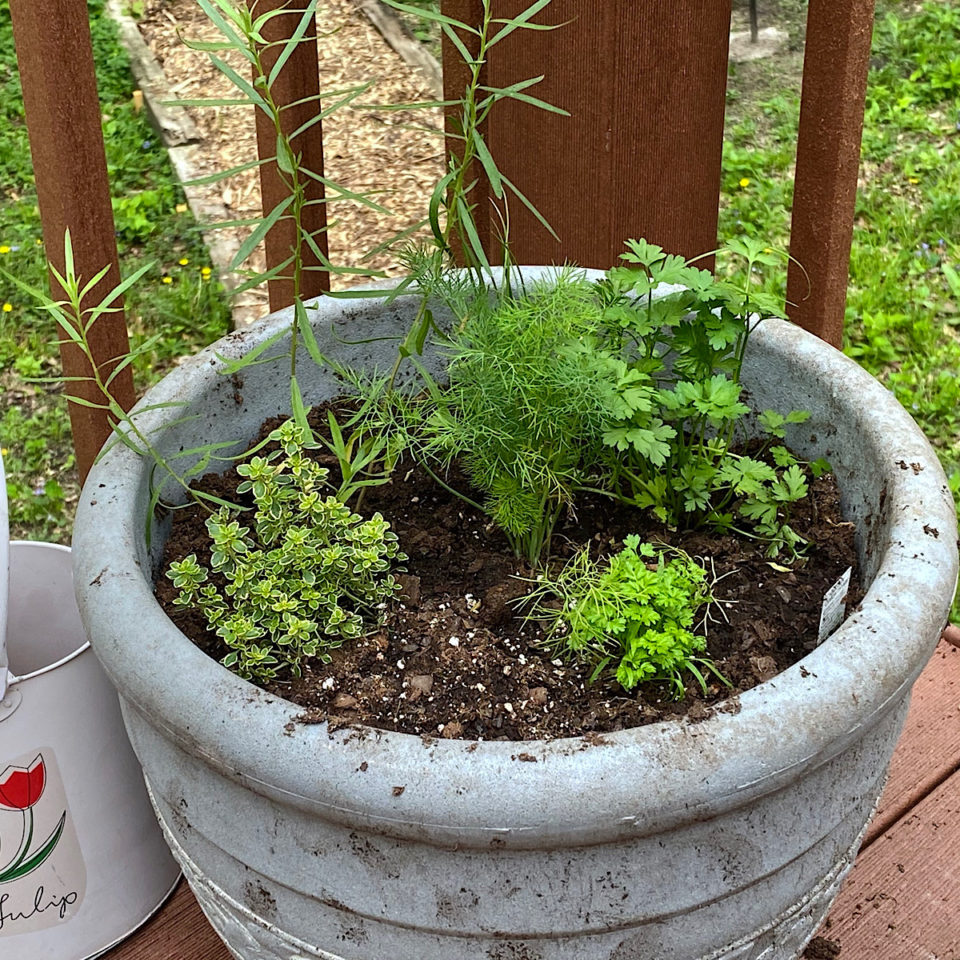
So, you’re dreaming of fresh basil for your pasta, fragrant rosemary for your roasted chicken, and maybe even some calming chamomile for a soothing tea? Growing your own herbs is incredibly rewarding, and starting with containers is a fantastic way to dip your toes into the world of gardening. But, like any new adventure, it comes with its own set of potential pitfalls. Don't worry, though! We’ve all been there, and with a little guidance, you can avoid the most common mistakes and be harvesting your own homegrown goodness in no time.
Why is growing herbs in containers so appealing, anyway? Beyond the obvious benefit of having fresh, flavorful ingredients at your fingertips, container gardening allows you to control the growing environment, making it ideal for those with limited space, poor soil, or even just a desire to keep their herbs close at hand – maybe even right on your kitchen windowsill! It’s a fantastic way to add a touch of green to your life, enhance your cooking, and connect with nature, regardless of where you live. Plus, many herbs have beautiful flowers and foliage, adding an ornamental element to your patio or balcony. Let’s dive into how to do it right!
Choosing the Wrong Container
One of the first, and biggest, mistakes beginners make is selecting an inappropriate container. It might seem simple, but size, material, and drainage are all crucial factors for successful herb growing. A tiny pot might look cute, but it will quickly become root-bound, leading to stunted growth and unhappy plants.
Think about the mature size of the herbs you want to grow. Mint, for example, is a vigorous spreader and will appreciate a larger container – even its own dedicated pot to prevent it from taking over! Rosemary, especially larger varieties, also needs ample space. Parsley, basil, and chives can generally be grown together in a medium-sized container, but be sure to give them enough room to breathe.
Drainage is equally important. Herbs hate sitting in soggy soil, which can lead to root rot. Ensure your container has adequate drainage holes, and consider adding a layer of gravel or broken pottery at the bottom to improve drainage further. Avoid containers without drainage holes unless you're experienced with carefully managing moisture levels.
Material matters, too. Terracotta pots are beautiful and allow for good airflow, but they dry out quickly, which might require more frequent watering, especially in hot weather. Plastic pots retain moisture better but can overheat in direct sunlight. Glazed ceramic pots offer a balance of both. Consider the location of your container and the climate you live in when making your choice.
Do I need to repot my herbs?
Yes, eventually! If you notice roots circling the bottom of the pot, stunted growth, or the soil drying out extremely quickly, it's time to repot your herb into a larger container. Spring is generally the best time to repot, allowing the plant to establish itself before the heat of summer.
Using the Wrong Soil
Another common pitfall is using garden soil in containers. Garden soil is often too heavy and compacts easily, hindering drainage and depriving the roots of oxygen. Instead, opt for a high-quality potting mix specifically formulated for containers. These mixes are typically lighter, airier, and contain ingredients like peat moss, perlite, and vermiculite to improve drainage and aeration.
You can also create your own potting mix by combining equal parts of peat moss (or coconut coir), perlite, and compost. Compost provides essential nutrients and improves soil structure. Avoid using mixes that are too sandy, as they may drain too quickly, or mixes that are too clay-heavy, as they may retain too much water. Different herbs have different soil p H preferences. Most prefer a slightly acidic to neutral soil (p H 6.0-7.0). However, some herbs, like lavender and rosemary, prefer slightly alkaline soil. You can amend your potting mix with lime to raise the p H if needed.
Overwatering or Underwatering
Watering seems simple, but it’s a delicate balance. Overwatering is a surefire way to kill your herbs. Soggy soil deprives the roots of oxygen, leading to root rot and fungal diseases. Underwatering, on the other hand, can cause the plants to wilt, dry out, and eventually die.
The key is to check the soil moisture before watering. Stick your finger about an inch into the soil. If it feels dry to the touch, it's time to water. If it feels moist, hold off. When you do water, water thoroughly until water drains out of the drainage holes. This ensures that the entire root ball is moistened.
Frequency of watering depends on several factors, including the type of herb, the size of the container, the weather, and the type of potting mix. Herbs in smaller containers and those exposed to direct sunlight will need to be watered more frequently than those in larger containers and those grown in partial shade. During hot, dry weather, you may need to water daily. During cooler, cloudy weather, you may only need to water every few days.
How can I tell if I’m overwatering?
Signs of overwatering include yellowing leaves, wilting (even when the soil is moist), and the presence of mold or mildew on the soil surface. The soil may also feel waterlogged and emit a foul odor.
Insufficient Sunlight
Most herbs need at least six hours of sunlight per day to thrive. Without enough sunlight, they will become leggy, weak, and produce fewer leaves. Before planting, consider the amount of sunlight your container garden will receive. South-facing locations typically provide the most sunlight, followed by east- and west-facing locations.
If you're growing herbs indoors, place them near a sunny window. If you don't have enough natural light, you can supplement with grow lights. LED grow lights are energy-efficient and provide the full spectrum of light that herbs need. Rotate your containers regularly to ensure that all sides of the plant receive equal sunlight.
Even sun-loving herbs can suffer from too much intense afternoon sun, especially in hot climates. Provide some shade during the hottest part of the day, especially for tender herbs like basil.
Which herbs grow faster in pots?
Basil, mint, chives, and cilantro are known for their relatively fast growth rates in containers. These herbs are great for beginners who want to see quick results. Be mindful of mint's aggressive growth habit, though, and keep it contained!
Neglecting to Fertilize
While herbs generally don't need as much fertilizer as some other plants, they still benefit from regular feeding, especially when grown in containers. Over time, the nutrients in the potting mix will be depleted, and the herbs will need a boost.
Use a balanced, water-soluble fertilizer diluted to half strength. Fertilize every 2-4 weeks during the growing season. Avoid over-fertilizing, as this can lead to leggy growth and a decrease in flavor. You can also use organic fertilizers, such as compost tea or fish emulsion. These provide a slow-release source of nutrients and improve soil health.
Not Pruning and Harvesting Regularly
Pruning and harvesting are essential for keeping your herbs healthy and productive. Regular pruning encourages branching, resulting in bushier plants with more leaves. Harvesting herbs regularly prevents them from flowering, which can diminish the flavor of the leaves.
Pinch off the top growth of young plants to encourage branching. When harvesting, cut stems just above a leaf node. This will encourage new growth from that node. Remove any yellowing or dead leaves to prevent the spread of disease.
Many herbs, such as basil and mint, benefit from frequent harvesting. Don't be afraid to cut them back hard – they will quickly regrow. Other herbs, such as rosemary and thyme, can be harvested more sparingly.
Can herbs really grow indoors in winter?
Yes! With enough light and proper care, many herbs can thrive indoors during the winter. Choose herbs that tolerate lower light levels, such as parsley, chives, and mint. Provide supplemental light if necessary, and be sure to adjust your watering schedule to account for the lower humidity and cooler temperatures.
Choosing the Wrong Herbs for Your Climate
Not all herbs are created equal. Some herbs are hardy and can tolerate cold temperatures, while others are tender and will be killed by frost. Before planting, research the hardiness of the herbs you want to grow and choose varieties that are well-suited to your climate.
In cold climates, focus on growing hardy herbs such as rosemary, thyme, sage, and oregano. These herbs can often survive the winter outdoors with some protection. Tender herbs, such as basil, cilantro, and dill, will need to be brought indoors or replanted each year.
In hot climates, choose herbs that can tolerate heat and drought, such as rosemary, lavender, and thyme. These herbs thrive in well-drained soil and don't mind drying out between waterings.
Ignoring Pests and Diseases
Even in containers, herbs can be susceptible to pests and diseases. Keep an eye out for common pests such as aphids, spider mites, and whiteflies. These pests can suck the sap from the leaves, causing them to yellow, wilt, and die.
Inspect your plants regularly for signs of infestation. If you find pests, try to remove them by hand or spray the plants with insecticidal soap or neem oil. Avoid using harsh chemicals, as these can harm beneficial insects and contaminate your herbs.
Common diseases that affect herbs include powdery mildew, root rot, and fungal leaf spots. To prevent diseases, provide good air circulation, avoid overwatering, and remove any infected leaves promptly.
Growing herbs in containers is a rewarding experience that brings fresh flavors and delightful fragrances right to your fingertips. Don't let these common mistakes discourage you. Every gardener learns through trial and error, and the most important thing is to keep experimenting and enjoying the process. Embrace the journey, learn from your mistakes, and soon you'll be harvesting a bounty of homegrown herbs that will elevate your cooking and brighten your life. Happy growing!
Post a Comment for "Growing Herbs in Containers: Mistakes Most Beginners Make"