Herbs That Grow in Water: Simple Hacks for Fresh Flavors
Imagine snipping fresh, fragrant herbs right from your kitchen counter, ready to add a burst of flavor to your meals. Sounds dreamy, right? Well, it’s easier than you think! You don't need acres of land or even a traditional garden to enjoy homegrown goodness. Growing herbs in water is a simple, space-saving, and surprisingly rewarding way to bring fresh flavors into your home.
Growing herbs in water is not just a novelty; it's a practical solution for urban dwellers, apartment renters, or anyone who wants easy access to fresh ingredients. It’s a fantastic way to extend the life of your store-bought herbs, propagate new plants, and even add a touch of greenery to your indoor spaces. Plus, it eliminates the need for soil, reducing mess and the risk of soilborne diseases. Let’s explore some simple hacks for growing herbs that grow in water and unlock a world of fresh flavors right at your fingertips.
Getting Started: Choosing the Right Herbs
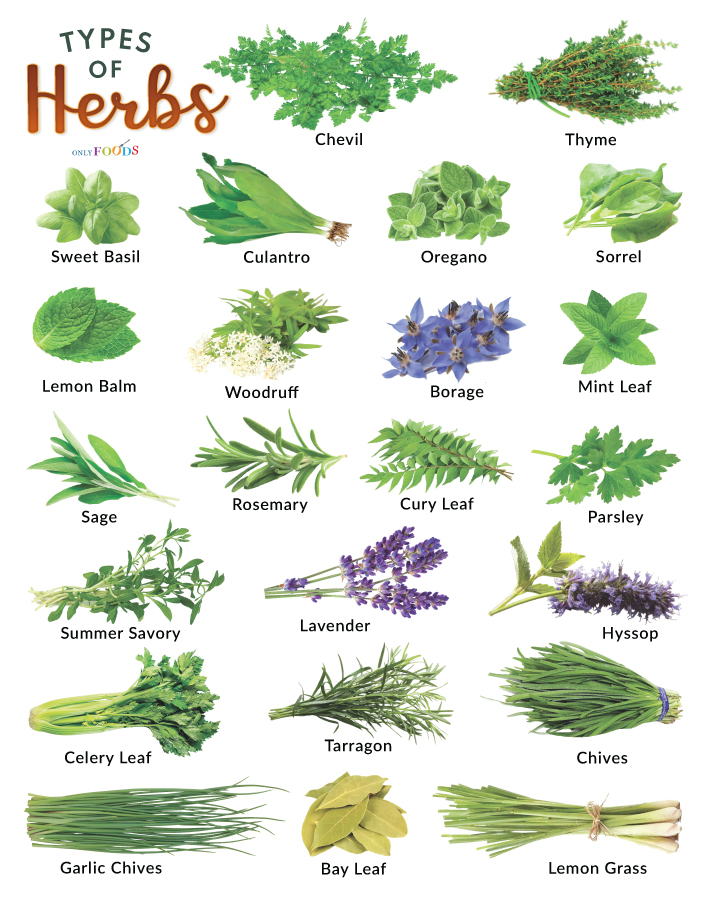
Not all herbs are created equal when it comes to water propagation. Some thrive in aquatic environments, while others are less enthusiastic. Selecting the right herbs is key to a successful water garden. Here are some of the best herbs to grow in water: Mint: This vigorous herb is a water-growing champion. Its roots sprout quickly, and you can enjoy a constant supply of refreshing mint for teas, cocktails, and culinary creations. Basil: Another popular choice, basil readily roots in water. Choose stem cuttings from healthy plants for best results. Remember to pinch off any flowers to encourage leaf growth. Rosemary: While slightly slower to root than mint or basil, rosemary can be successfully propagated in water. Select young, flexible stems for a higher success rate. Oregano: This Mediterranean favorite takes to water propagation with ease. You’ll have plenty of oregano to season your pizzas, pastas, and other savory dishes. Sage: Similar to rosemary, sage can be grown in water, although it may take a bit longer to establish roots. Stevia: If you're looking for a natural sweetener, stevia is an excellent choice. It roots well in water and provides a healthy alternative to sugar. Lemon Balm:Its citrusy aroma makes it a refreshing addition to any water garden. Lemon balm roots easily and grows quickly.
Experiment with other herbs as well! While the ones listed above are generally the easiest, you might find success with other varieties depending on your environment and growing conditions.
Simple Hacks for Water Propagation
Now that you know which herbs to choose, let's dive into the simple hacks for successful water propagation.
1.Select Healthy Cuttings: Choose stems that are 4-6 inches long, with several leaves but no flowers. Cut just below a node (the point where a leaf grows from the stem).
2.Prepare the Cuttings: Remove the leaves from the bottom inch or two of the stem. This will prevent the leaves from rotting in the water and encourage root growth.
3.Choose Your Container: A clear glass jar or vase is ideal, as it allows you to monitor root development. Make sure the container is clean to prevent bacterial growth.
4.Use Clean Water: Fill the container with fresh, clean water. Tap water is generally fine, but if your tap water is heavily chlorinated, let it sit for 24 hours to allow the chlorine to dissipate.
5.Place Cuttings in Water: Submerge the bottom inch or two of the stem in the water, ensuring that no leaves are submerged.
6.Provide Indirect Sunlight: Place the container in a location with bright, indirect sunlight. Avoid direct sunlight, which can overheat the water and damage the cuttings.
7.Change the Water Regularly: Change the water every 1-2 days to prevent bacterial growth and keep the water fresh.
8.Wait for Roots to Develop: Roots should begin to appear within a week or two, depending on the herb and the growing conditions.
9.Transplant (Optional): Once the roots are an inch or two long, you can either continue growing the herbs in water or transplant them into soil. If transplanting, use a well-draining potting mix and water thoroughly.
Troubleshooting Common Issues
Even with the best intentions, you might encounter a few challenges when growing herbs in water. Here are some common issues and how to address them: Rotting Stems: This is usually caused by bacterial growth or submerged leaves. Ensure that no leaves are submerged and change the water regularly. If a stem starts to rot, remove it immediately to prevent the spread of bacteria. Lack of Root Growth: Some herbs are slower to root than others. Be patient and ensure that the cuttings are receiving adequate light and fresh water. You can also try using a rooting hormone to stimulate root growth. Yellowing Leaves: This can be caused by a lack of nutrients or too much direct sunlight. Move the cuttings to a location with indirect sunlight and consider adding a diluted liquid fertilizer to the water. Algae Growth: Algae can grow in the water, especially in bright sunlight. Change the water more frequently and consider using an opaque container to prevent algae growth.
Can herbs really grow indoors in winter?
Absolutely! In fact, growing herbs indoors is a great way to enjoy fresh flavors year-round, especially during the colder months. Herbs that grow in water are particularly well-suited for indoor environments, as they don't require soil and are less susceptible to pests and diseases. Just be sure to provide adequate light, either from a sunny window or a grow light, and maintain a consistent watering schedule.
Which herbs grow faster in pots?
While we're focused on water propagation here, it's worth noting which herbs are quick growers in pots, should you decide to transition them from water to soil. Mint, basil, chives, and oregano are all relatively fast-growing herbs that thrive in pots. Choose a pot that is appropriately sized for the herb and use a well-draining potting mix. Regular watering and fertilizing will help these herbs flourish.
What are the benefits of hydroponic herb gardening?
Hydroponic herb gardening, which is essentially growing herbs in water without soil, offers numerous benefits. It's space-saving, low-maintenance, and reduces the risk of soilborne diseases. Hydroponically grown herbs often grow faster and produce higher yields than those grown in soil. Plus, it's a fun and educational way to learn about plant biology and sustainable gardening practices.
Beyond the Basics: Creative Ideas and Container Gardening Tips
Once you’ve mastered the basics of growing herbs in water, it’s time to get creative! Here are a few ideas to elevate your water garden: Upcycle Your Containers: Transform old mason jars, glass bottles, or even teacups into charming herb containers. Create a Living Wall: Arrange multiple containers of herbs on a shelf or wall to create a vertical garden. Add Decorative Elements: Add pebbles, glass beads, or shells to the bottom of the containers to enhance their aesthetic appeal. Combine Herbs: Experiment with growing different herbs in the same container to create a miniature herb garden. Make sure to choose herbs that have similar water and light requirements. Label Your Herbs: Use small tags or labels to identify each herb. This is especially helpful if you are growing multiple varieties. Experiment with Nutrients: While herbs can grow in water alone, adding a diluted liquid fertilizer can boost their growth and flavor. Use a balanced fertilizer specifically formulated for herbs. From Water to Soil: Once your herbs have established strong roots in water, consider transplanting them into pots or containers filled with soil. This will provide them with additional nutrients and support their continued growth. Embrace the Shade: Not all herbs need scorching sun! Some, like mint, parsley, and lemon balm, actually prefer partial shade. This makes them ideal for growing indoors, even in areas with less-than-ideal sunlight. Don't be afraid to experiment and find the perfect spot for your shade-loving herbs.
Growing herbs in water is more than just a gardening technique; it’s a lifestyle choice that brings fresh flavors, vibrant greenery, and a touch of nature into your home. It’s a reminder that you don’t need a sprawling garden to enjoy the benefits of homegrown herbs. So, grab some cuttings, fill a jar with water, and embark on your own herb-growing adventure. With a little patience and a few simple hacks, you’ll be snipping fresh herbs and adding a burst of flavor to your meals in no time. The possibilities are endless, so keep experimenting, keep learning, and keep growing!
Post a Comment for "Herbs That Grow in Water: Simple Hacks for Fresh Flavors"