Eco-Friendly Fixes for Black Spots on Tomato Leaves
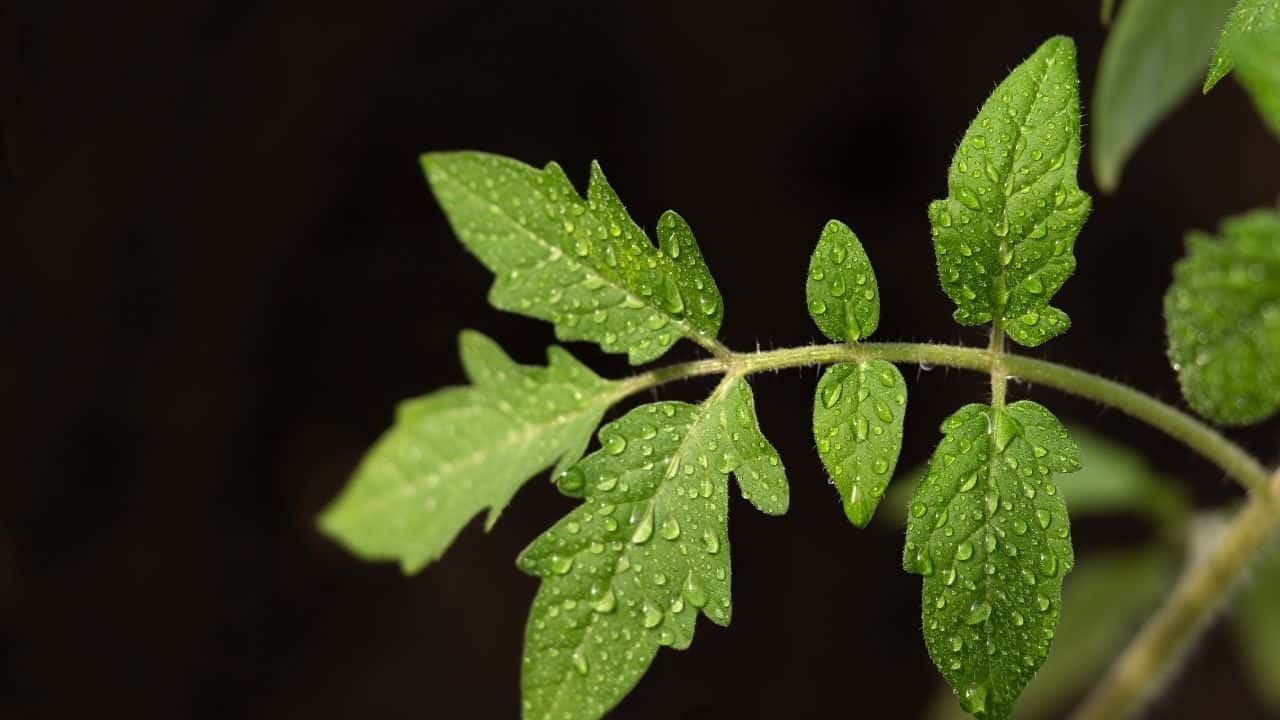
Oh no! You've been tending your tomato plants with love and care, eagerly anticipating that first juicy harvest, only to discover…black spots on the leaves. Don't despair! It's a common problem, and often very treatable with eco-friendly solutions that won't harm your plants, your garden ecosystem, or yourself.
Spotting those first signs of disease on your tomato plants can be disheartening, but addressing the issue promptly is crucial for a bountiful harvest. Not only can these eco-friendly fixes help save your tomato crop, but they also contribute to a healthier garden overall. By avoiding harsh chemicals, you're nurturing the beneficial insects and soil microbes that are essential for thriving plants. Plus, knowing you're growing food safely and sustainably is incredibly rewarding, making those homegrown tomatoes taste even better! So, let's dive into some practical and planet-friendly methods for tackling those pesky black spots and getting your tomato plants back on track.
Identifying and Understanding Black Spot on Tomato Leaves
The culprit behind most black spots on tomato leaves is a fungal disease called Septoria leaf spot. Identifying it early is key to successful treatment. Look for small, circular spots that start on the lower leaves and gradually spread upwards. These spots usually have a dark brown or black border with a grayish-tan center. In severe cases, the leaves will turn yellow, wither, and drop off, weakening the plant and reducing its ability to produce fruit. Another potential cause, though less common, is early blight, which presents with similar symptoms but the spots tend to be larger and have concentric rings.
Distinguishing Septoria leaf spot from other tomato diseases is important. For instance, late blight, another fungal disease, causes irregularly shaped, water-soaked lesions that can affect stems and fruit as well as leaves. If you're unsure, compare images online or consult your local agricultural extension office for accurate identification. Once you've confirmed it's likely Septoria leaf spot (or early blight), you can confidently move forward with eco-friendly treatment options.
Eco-Friendly Treatment Options
Now, let's get to the heart of the matter: how to tackle those black spots without resorting to harmful chemicals. Here are several effective, environmentally conscious approaches: Improve Air Circulation:Fungal diseases thrive in humid environments with poor air circulation. Prune your tomato plants to remove suckers (the shoots that grow between the main stem and branches) and any crowded foliage. This will allow more sunlight and air to reach the leaves, reducing moisture buildup and discouraging fungal growth. Space your plants adequately when planting to prevent overcrowding.
Water Properly: Avoid overhead watering, which wets the leaves and creates a breeding ground for fungi. Instead, water at the base of the plant, preferably in the morning so the leaves have time to dry before nightfall. Consider using a soaker hose or drip irrigation system for targeted watering.
Remove Infected Leaves: As soon as you spot black spots, carefully remove the affected leaves. Use clean pruning shears and dispose of the infected foliage in the trash or burn it (where permissible) to prevent the disease from spreading. Do NOT compost infected leaves, as the fungus can survive in the compost pile.
Neem Oil: Neem oil is a natural fungicide and insecticide derived from the neem tree. It's effective against a variety of fungal diseases, including Septoria leaf spot and early blight. Mix neem oil with water according to the product instructions and spray it thoroughly on all parts of the plant, including the undersides of the leaves. Reapply every 7-14 days, or after rainfall. Always test on a small area of the plant first to ensure it doesn't cause any adverse reactions.
Baking Soda Spray: Baking soda can help raise the p H of the leaf surface, creating an environment less hospitable to fungal growth. Mix 1 teaspoon of baking soda with 1 quart of water and add a few drops of liquid soap (as a surfactant to help the spray stick to the leaves). Spray the mixture on the affected plants, being sure to cover all surfaces. Apply every 7-10 days. Be cautious with baking soda, as excessive use can lead to a buildup of salt in the soil.
Copper Fungicide: Copper-based fungicides are another option for treating fungal diseases on tomato plants. While they are considered more eco-friendly than synthetic fungicides, they should still be used with caution. Follow the product instructions carefully and avoid overuse, as copper can accumulate in the soil and become toxic to plants and soil organisms over time. Look for copper fungicides that are OMRI-listed for organic gardening.
Compost Tea: While not a direct treatment, compost tea can boost the overall health of your tomato plants, making them more resistant to disease. Compost tea is rich in beneficial microbes that can help suppress fungal growth. Brew compost tea by steeping compost in water for 24-48 hours, then strain the liquid and spray it on your plants.
Prevention is Key: Building a Disease-Resistant Garden
While treating black spots is important, preventing them in the first place is even better. Here are some tips for creating a disease-resistant garden: Choose Disease-Resistant Varieties:Select tomato varieties that are known to be resistant to Septoria leaf spot and other common tomato diseases. Look for labels that indicate resistance to diseases such as Septoria (S), early blight (EB), or late blight (LB).
Crop Rotation: Avoid planting tomatoes in the same location year after year. Rotating crops helps to break the disease cycle and prevent the buildup of soilborne pathogens.
Healthy Soil: Healthy soil is the foundation of healthy plants. Amend your soil with compost and other organic matter to improve drainage, aeration, and nutrient content. A well-nourished plant is better equipped to resist disease.
Mulch: Apply a layer of mulch around your tomato plants to prevent soilborne pathogens from splashing onto the leaves. Organic mulches such as straw, wood chips, or shredded leaves also help to retain moisture, suppress weeds, and improve soil health.
Good Garden Hygiene: Keep your garden clean and free of debris. Remove any fallen leaves or diseased plant material promptly to prevent the spread of disease. Sanitize your pruning tools regularly with rubbing alcohol or a bleach solution.
Can I still eat tomatoes from a plant with black spots?
Yes, you can often still eat tomatoes from a plant with Septoria leaf spot. The disease primarily affects the leaves and usually doesn't directly impact the fruit. However, if the infection is severe and the plant's foliage is heavily damaged, it may reduce the plant's ability to ripen the fruit properly. Always inspect tomatoes carefully and discard any that show signs of rot or disease. Wash them thoroughly before eating.
What are the best herbs to grow alongside my tomatoes for disease prevention?
Companion planting with herbs can help deter pests and diseases, improve pollination, and enhance the flavor of your tomatoes. Basil is a classic companion plant for tomatoes, as it repels tomato hornworms and other pests. Marigolds also help to deter nematodes and other soil pests. Chives and garlic are natural fungicides that can help to prevent fungal diseases. Plant these herbs near your tomatoes to create a healthier and more productive garden.
How often should I apply neem oil to my tomato plants?
The frequency of neem oil application depends on the severity of the infestation and the weather conditions. As a general guideline, apply neem oil every 7-14 days as a preventative measure or to treat mild infestations. In cases of severe infestations, you may need to apply it more frequently, such as every 3-5 days, until the problem is under control. Reapply after rainfall, as the rain can wash away the neem oil. Always follow the product instructions carefully and avoid applying neem oil during the hottest part of the day, as it can burn the leaves.
Dealing with black spots on tomato leaves doesn’t have to be a gardener’s nightmare. With a few simple, eco-friendly strategies, you can protect your precious plants and ensure a bountiful harvest. Remember that consistency is key. Regularly inspect your plants, address problems promptly, and maintain good gardening practices. Don't be afraid to experiment with different solutions and find what works best for your garden. Every season is a learning opportunity, and with a little patience and persistence, you can create a thriving and healthy garden that brings joy and delicious tomatoes to your table.
Post a Comment for "Eco-Friendly Fixes for Black Spots on Tomato Leaves"