How Often Should You Spray Tomato Plants Naturally?
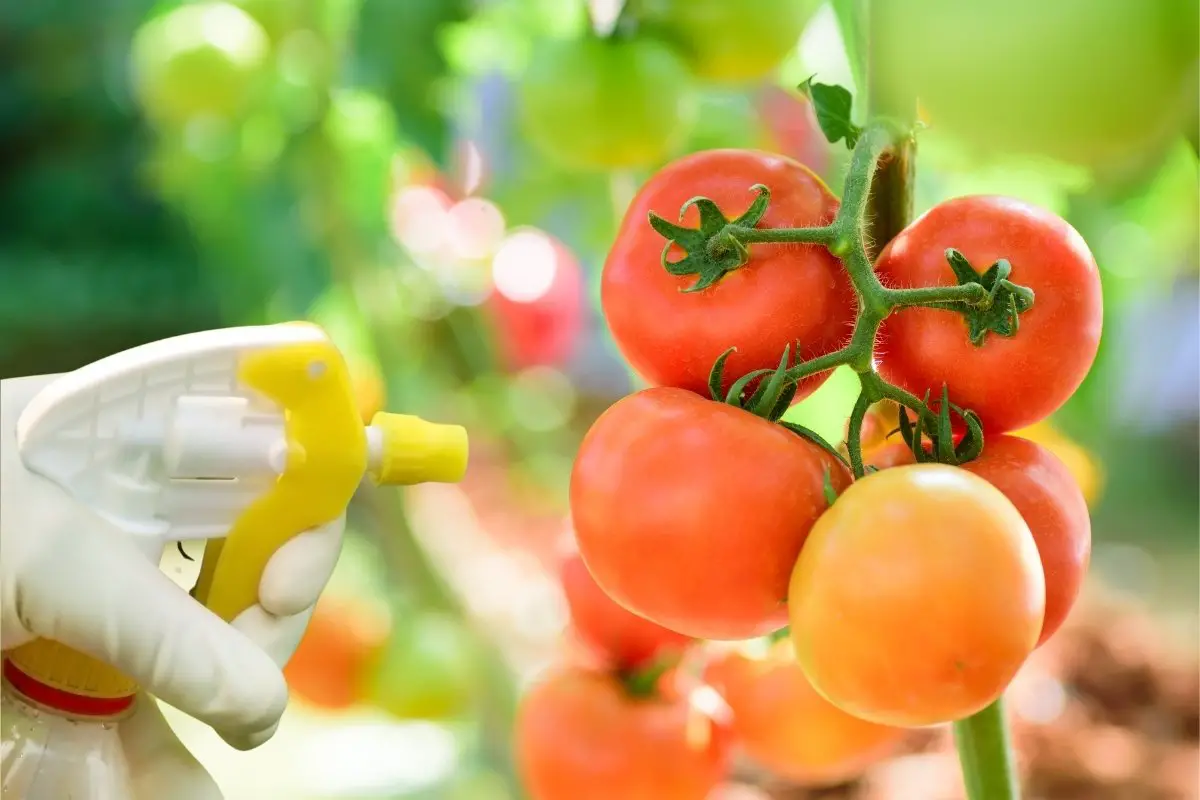
Have you ever walked out to your tomato plants, visions of juicy, sun-ripened fruits dancing in your head, only to find them beset by pests or showing signs of disease? It's a gardener’s heartbreak! The good news is, you can protect your precious tomatoes using natural methods, keeping them healthy and productive all season long. But knowinghow oftento take action is key.
Knowing how often to spray your tomato plants with natural solutions is crucial for a thriving garden. Using natural sprays not only helps you avoid harmful chemicals, ensuring healthier and safer tomatoes for you and your family, but also supports a balanced ecosystem in your garden. Beneficial insects like ladybugs and pollinators like bees are much happier (and more helpful!) when you’re not spraying synthetic pesticides. Plus, homegrown tomatoes bursting with flavour are worth the effort, aren’t they? Imagine fresh Caprese salads, homemade sauces, and juicy slices on summer sandwiches – all thanks to your healthy, naturally grown tomatoes. This approach allows you to nurture your plants and enjoy the delicious results of your labour.
How Often Should You Spray Tomato Plants Naturally?
The frequency with which you need to spray your tomato plants naturally depends on several factors, including the weather, the specific pest or disease you’re trying to manage, and the type of natural spray you’re using. There’s no single, magic number, but let's break it down so you can make informed decisions.
Preventative Spraying
Ideally, preventative spraying is the best approach. Think of it as building a natural defense system for your plants. You should aim to start spraying your tomato plants with a preventative natural solution about once a week, starting soon after you transplant them outdoors. A good option for preventative spraying is a copper fungicide, or neem oil solution. These solutions help create a barrier against common fungal diseases like early blight and septoria leaf spot. Consistent preventative spraying can significantly reduce the risk of major infestations or outbreaks later in the season.
Addressing Existing Problems
If you spot pests (like aphids, whiteflies, or tomato hornworms) or notice signs of disease (like yellowing leaves, spots, or mildew), you'll need to increase the frequency of your spraying. For an active infestation or disease outbreak, you might need to spray every 3-5 days until the problem is under control. Again, consider the specific spray you're using. For example, insecticidal soap needs to be applied directly to the pests to be effective, so more frequent applications may be necessary if you're dealing with a large infestation. Always carefully read and follow the instructions on the product label.
Weather Considerations
Rain plays a significant role in how often you need to spray. Rain washes away natural sprays, so you'll need to reapply them after a heavy downpour. Also, humid weather can create conditions that are favorable for fungal diseases, so you might need to increase your spraying frequency during periods of high humidity.
Type of Spray
Different natural sprays have different application recommendations. Some sprays, like those containing Bacillus thuringiensis (Bt), are effective for several days, while others, like insecticidal soap, need to be reapplied more frequently. Copper fungicides are more persistent, but should still be reapplied after heavy rains. Always check the product label for specific instructions on application frequency.
Observation is Key
Ultimately, the best way to determine how often you should spray your tomato plants naturally is to observe them closely. Regularly inspect your plants for signs of pests or diseases, and adjust your spraying schedule accordingly. Remember, gardening is a dynamic process, and your approach may need to change as the season progresses.
Natural Sprays for Tomato Plants: A Gardener's Arsenal
Knowinghow oftento spray is important, butwhatyou spray with is just as crucial. Here are a few effective natural options for protecting your tomato plants: Neem Oil: Neem oil is a broad-spectrum insecticide, fungicide, and miticide. It can help control a wide range of pests and diseases, including aphids, whiteflies, spider mites, and early blight. It works by disrupting the insects' feeding and reproductive cycles. Insecticidal Soap: Insecticidal soap is effective against soft-bodied insects like aphids, whiteflies, and spider mites. It works by disrupting the insects' cell membranes, causing them to dehydrate. Bacillus thuringiensis (Bt): Bt is a naturally occurring bacterium that is toxic to certain types of caterpillars, including tomato hornworms. It's a very targeted insecticide, meaning it won't harm beneficial insects. Copper Fungicide: Copper fungicide is a preventative treatment for fungal diseases like early blight, late blight, and septoria leaf spot. It works by inhibiting the growth of fungal spores. Baking Soda Spray: A simple baking soda spray (1 teaspoon baking soda per quart of water, plus a few drops of liquid soap) can help prevent fungal diseases. Garlic Spray: Garlic spray can repel many common tomato pests. Crush a few cloves of garlic, soak them in water overnight, and then strain the mixture before spraying.
Always test any new spray on a small area of your plant first to ensure it doesn't cause any damage. And remember to apply sprays in the early morning or late evening to avoid burning the foliage in direct sunlight.
How can I tell if my tomato plant has a fungal disease?
Look for telltale signs such as yellowing or browning leaves, spots on the leaves or stems (which can be black, brown, or yellow), and white or gray powdery mildew. Early blight often starts with small, dark spots on the lower leaves, while late blight can cause large, irregular lesions on the leaves and stems. Regular inspection of your plants will help you catch these problems early, making them easier to treat.
What are some good preventative measures besides spraying?
Good garden hygiene is crucial. Remove any fallen leaves or diseased plant debris from around your tomato plants to prevent the spread of pathogens. Ensure good air circulation by spacing your plants adequately and pruning them regularly. Water your plants at the base to avoid wetting the foliage, as wet leaves are more susceptible to fungal diseases. Crop rotation can also help prevent soilborne diseases from building up. Companion planting with herbs like basil and marigolds can also help deter pests.
Can I make my own natural tomato spray?
Absolutely! Many effective natural sprays can be made with ingredients you probably already have at home. A simple garlic spray, as mentioned earlier, is a great pest deterrent. You can also make a pepper spray by boiling hot peppers in water, straining the mixture, and adding a few drops of liquid soap. A chamomile tea spray can help prevent fungal diseases. Experimenting with different homemade sprays can be a fun and rewarding way to protect your tomato plants naturally. Just be sure to research the specific ingredients and their effects on plants before you start spraying.
Beyond Spraying: Creating a Healthy Tomato Environment
While spraying is an important part of a natural tomato care strategy, it's not the only piece of the puzzle. Creating a healthy environment for your tomato plants will make them more resilient to pests and diseases, reducing the need for frequent spraying.
Healthy Soil: Healthy soil is the foundation of healthy plants. Amend your soil with compost and other organic matter to improve drainage and fertility. Proper Watering: Water deeply and infrequently, allowing the soil to dry out slightly between waterings. Avoid overhead watering, which can create conditions that are favorable for fungal diseases. Good Air Circulation: Space your plants adequately and prune them regularly to improve air circulation. This will help prevent fungal diseases from taking hold. Sunlight: Tomato plants need at least 6-8 hours of sunlight per day to thrive. Crop Rotation: Avoid planting tomatoes in the same spot year after year. Crop rotation can help prevent soilborne diseases from building up. Companion Planting: Plant herbs like basil and marigolds near your tomato plants to deter pests.
By focusing on creating a healthy environment for your tomato plants, you can minimize the need for spraying and enjoy a bountiful harvest of delicious, naturally grown tomatoes.
Remember, gardening is a journey of learning and experimentation. Don't be afraid to try new things and see what works best for you and your garden. Observe your plants closely, adjust your approach as needed, and enjoy the process. There’s immense satisfaction in nurturing your plants and harvesting the fruits (or in this case, vegetables!) of your labor. So, get out there, get your hands dirty, and watch your tomato plants flourish!
Post a Comment for "How Often Should You Spray Tomato Plants Naturally?"