Choosing Pots for Herb Plants
So, you’re ready to bring the vibrant flavors and aromas of fresh herbs into your home or garden? Excellent choice! One of the most rewarding aspects of gardening is having a constant supply of your favorite herbs right at your fingertips, ready to elevate your cooking or brew a soothing cup of tea. But before you start sowing seeds or transplanting seedlings, let’s talk about something foundational to your herbal success: choosing the right pots.
Why is this so important, you ask? Well, the right pot can be the difference between a thriving, fragrant herb garden and a collection of struggling, lackluster plants. Choosing the correct size, material, and drainage can dramatically impact your herbs' access to water, nutrients, and airflow – all crucial elements for healthy growth. Plus, the right pot can enhance your garden's aesthetic appeal! Think of it as choosing the perfect home for your green companions, a place where they can flourish and add a touch of beauty and flavor to your life.
Material Matters: Picking the Perfect Pot Type
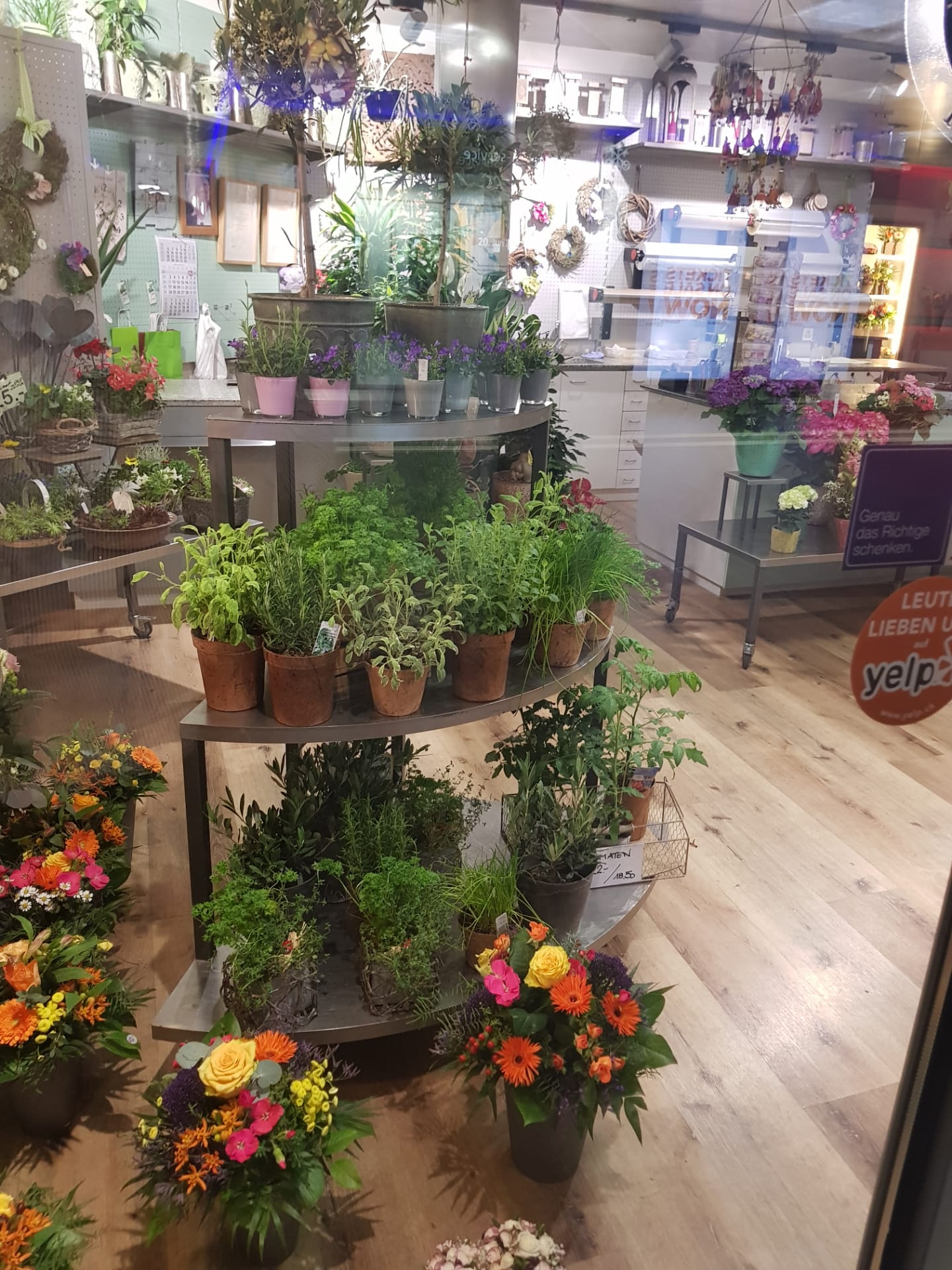
The first step in Choosing Pots for Herb Plants is deciding on the material. Each option has its pros and cons, impacting moisture retention, temperature, and overall plant health. Here's a breakdown of some popular choices: Terracotta:These classic clay pots are beloved for their breathability. The porous material allows air and moisture to move through the pot walls, preventing waterlogging and root rot. This is especially beneficial for herbs like rosemary, thyme, and lavender, which prefer drier conditions. However, terracotta pots dry out quickly, requiring more frequent watering, especially in hot climates. They can also be prone to cracking in freezing temperatures, so they're best suited for indoor or warmer climates.
Plastic: Plastic pots are lightweight, affordable, and come in a wide variety of colors and styles. They retain moisture well, which can be advantageous for herbs that prefer consistently moist soil, such as mint, parsley, and chives. However, this moisture retention can also be a disadvantage, leading to overwatering and root rot if you're not careful. Be sure to choose pots with adequate drainage holes. Also, dark-colored plastic pots can absorb heat in direct sunlight, potentially scorching roots.
Ceramic: Ceramic pots offer a balance between terracotta and plastic. They're more durable than terracotta and come in a wider range of decorative options than plastic. They retain moisture better than terracotta but are less prone to overheating than dark plastic. Ensure the pot has drainage holes, and be mindful of the weight, especially when filled with soil.
Metal: Metal pots can add a rustic or modern touch to your garden. However, they can heat up quickly in direct sunlight, potentially harming roots. Consider using them in shaded areas or lining them with plastic to insulate the soil. Also, some metals can leach into the soil, so choose food-safe options.
Fabric Pots: These relatively new additions to the container gardening world are gaining popularity for their excellent drainage and aeration. Fabric pots allow air to circulate around the roots, promoting healthy growth and preventing root circling. They're also lightweight and easy to move. However, they dry out quickly and may require more frequent watering.
Size Matters: Finding the Right Fit
The size of the pot is another crucial factor to consider when Choosing Pots for Herb Plants. A pot that's too small will restrict root growth, leading to stunted plants and reduced yields. A pot that's too large can lead to overwatering and root rot, as the soil stays wet for too long.
As a general rule, start with a pot that's at least 6 inches in diameter for smaller herbs like thyme, oregano, and savory. For larger herbs like rosemary, lavender, and sage, choose a pot that's at least 12 inches in diameter. Mint is notoriously invasive and is best grown in its own pot of at least 8 inches to prevent it from taking over your entire garden.
Consider the mature size of the herb when selecting a pot. Perennial herbs, which will continue to grow year after year, will eventually need to be transplanted into larger pots as they mature. Annual herbs, which complete their life cycle in one growing season, can typically be grown in smaller pots.
Here's a handy guide: Small Herbs (Thyme, Oregano, Savory): 6-inch pot Medium Herbs (Basil, Parsley, Chives): 8-inch pot Large Herbs (Rosemary, Lavender, Sage): 12-inch pot Mint: 8-inch pot (grown separately!)
Can herbs really grow indoors in winter?
Absolutely! Many herbs thrive indoors with proper care. Provide them with a sunny windowsill (south-facing is ideal) or supplement with a grow light. Ensure good air circulation and avoid overwatering. Some of the best herbs to grow indoors include basil, chives, mint, parsley, and oregano.
Drainage is Key: Avoiding Waterlogged Roots
Proper drainage is essential for healthy herb growth. Herbs don't like to sit in soggy soil, as this can lead to root rot and other problems. Make sure your pots have adequate drainage holes at the bottom to allow excess water to escape.
If your pots don't have enough drainage holes, you can drill them yourself. Use a drill bit appropriate for the material of the pot, and be careful not to crack the pot.
To further improve drainage, you can add a layer of gravel or pebbles to the bottom of the pot. This will help prevent the drainage holes from becoming clogged with soil. However, keep in mind that this method can also reduce the amount of soil available for the roots.
Choosing the Right Soil: Fueling Growth
While Choosing Pots for Herb Plants is important, don’t forget the soil! The right potting mix provides essential nutrients and drainage for your herbs. Avoid using garden soil in containers, as it can become compacted and drain poorly. Instead, choose a well-draining potting mix specifically formulated for containers.
You can also amend your potting mix with compost or other organic matter to improve its fertility and drainage. Herbs like rosemary and lavender prefer a slightly sandy soil, while herbs like basil and parsley prefer a richer, more moisture-retentive soil.
Placement Matters: Where to Put Your Pots
Consider the light requirements of your herbs when deciding where to place your pots. Most herbs need at least 6 hours of sunlight per day. However, some herbs, such as mint and parsley, can tolerate partial shade.
If you're growing herbs indoors, place them near a sunny window or under a grow light. Rotate the pots regularly to ensure that all sides of the plant receive adequate light.
Also, think about accessibility. Place your herb pots in a convenient location where you can easily water and harvest them. If you plan to use your herbs frequently in cooking, consider placing them near your kitchen door.
Which herbs grow faster in pots?
Basil, mint, and chives are known for their rapid growth in containers. With adequate sunlight, water, and nutrients, you'll be harvesting these herbs in no time! Regular harvesting encourages even more growth, providing a continuous supply of fresh herbs.
Aesthetic Considerations: Expressing Your Style
While functionality is paramount, don't forget about aesthetics! Choosing Pots for Herb Plants is also about selecting pots that complement your garden's style and your personal taste.
Consider the color, shape, and texture of the pots. Do you prefer a rustic look with terracotta pots, or a modern look with sleek metal containers? Do you want your pots to blend in with the surrounding landscape, or do you want them to make a statement?
You can also use pots to create visual interest by mixing and matching different sizes, shapes, and colors. Grouping pots together can create a focal point in your garden.
Ultimately, the best pots are the ones that you love and that make you happy. So, have fun experimenting with different styles and creating a herb garden that reflects your unique personality!
Container Gardening Tips for Shade-Loving Herbs
Even if your garden lacks full sun, you can still grow herbs! Shade-loving herbs like mint, parsley, chives, and cilantro thrive in areas with partial shade (4-6 hours of sunlight per day). Choose pots that are appropriate for the size of the herb and use a well-draining potting mix. Water regularly, but avoid overwatering. With a little care, you can enjoy fresh herbs even in shady gardens.
Choosing pots for herb plants is a simple but vital step in your gardening journey. By taking the time to select the right pots, you'll create a thriving environment for your herbs, ensuring a bountiful harvest of flavor and fragrance. So, get creative, experiment with different materials and styles, and enjoy the process of nurturing your own little herb garden. Don't be afraid to try new things – gardening is all about learning and growing, just like the herbs you're cultivating! Now go forth and create a container herb garden that brings joy to your senses and deliciousness to your table. Happy gardening!
Post a Comment for "Choosing Pots for Herb Plants"