How to Grow a Herb Garden That Feels Endless
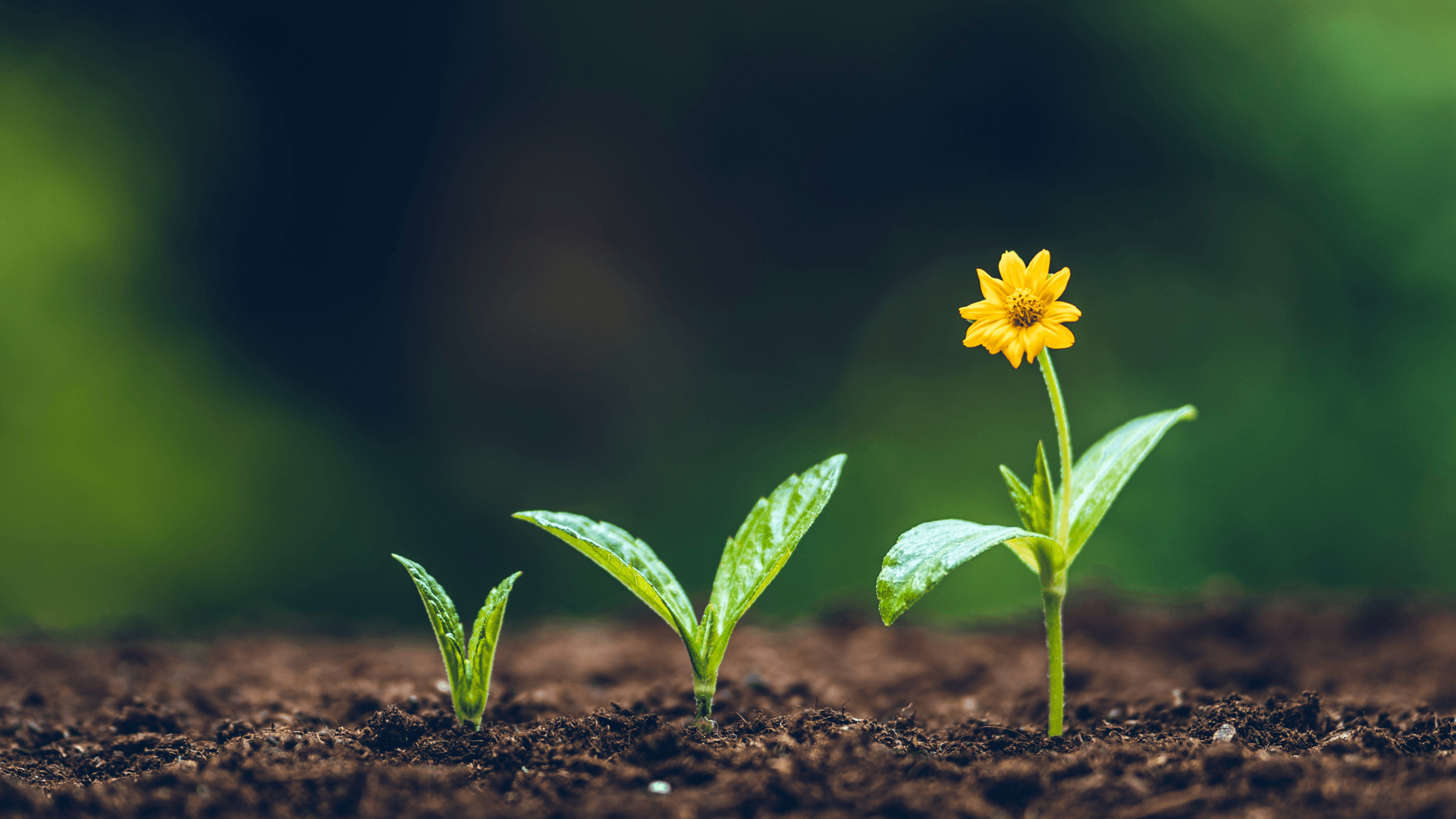
Imagine stepping outside your back door and being greeted by the intoxicating aroma of fresh herbs. Not just a few sprigs here and there, but a thriving, ever-ready supply for all your culinary adventures and herbal remedies. Growing your own herb garden that feels truly endless is absolutely achievable, even if you're just starting out. It's about smart planning, understanding your plants' needs, and creating a system that keeps the harvests coming!
Why bother cultivating an abundant herb garden? Beyond the obvious benefit of having fresh, flavorful ingredients at your fingertips, growing your own herbs connects you with nature in a tangible way. It's incredibly satisfying to nurture these plants from tiny seedlings to flourishing bushes. Plus, many herbs are packed with antioxidants and medicinal properties, making them a healthy addition to your lifestyle. Forget those sad, wilted bunches from the grocery store – imagine the vibrant flavors and aromas you can unlock with homegrown herbs!
Planning Your Perpetual Herb Patch
The secret to an herb garden that feels endless lies in smart planning. You need to think about location, what to plant, and how to keep the cycle going.
Location, Location, Location: Most herbs thrive in sunny spots, needing at least six hours of sunlight per day. However, some herbs like mint and parsley can tolerate partial shade, making them perfect for areas with less intense sun exposure. Observe your garden throughout the day to identify the sunniest spots. If you're gardening indoors, a south-facing window is generally best. Consider supplemental lighting if you don't have enough natural light.
Choosing the Right Herbs: Selecting the right herbs is crucial for continuous harvest. Opt for a mix of annuals, biennials, and perennials. Annuals like basil and dill need to be replanted each year, but they offer prolific harvests during their growing season. Biennials like parsley and caraway produce leaves in their first year and flower and seed in their second. Perennials like rosemary, thyme, oregano, and mint come back year after year, providing a reliable source of fresh herbs. Consider staggering your planting of annuals to ensure a continuous supply.
Soil Matters: Herbs generally prefer well-drained soil. If your garden soil is heavy clay, amend it with compost and other organic matter to improve drainage. For container gardening, use a high-quality potting mix specifically formulated for herbs.
Consider Container Gardening: Container gardening is an excellent option, especially if you have limited space or poor soil. It also allows you to move herbs indoors during the colder months, extending your growing season. Choose containers that are appropriately sized for the mature size of the herbs you plan to grow. Ensure the containers have drainage holes to prevent waterlogging.
Succession Planting: This is a key technique for maintaining a continuous harvest. Sow new seeds or plant new seedlings of your favorite annual herbs every few weeks during the growing season. This ensures that you always have young, productive plants ready to replace those that are past their prime.
Propagating New Plants: Many herbs are easy to propagate from cuttings. Take stem cuttings from healthy plants and root them in water or directly in soil. This is a great way to expand your herb garden without having to buy new plants. Mint, rosemary, and sage are particularly easy to propagate.
Best Herbs to Grow for a Never-Ending Supply
Choosing the right varieties is half the battle. Here are some of the best herbs to grow for a continuous harvest: Mint:A vigorous grower that can quickly spread, so it's best to grow it in a container to prevent it from taking over your garden. Regularly harvest mint leaves to encourage new growth. There are many different varieties of mint to choose from, each with its own unique flavor and aroma.
Rosemary: A hardy perennial that can tolerate drought and poor soil. Prune rosemary regularly to maintain its shape and encourage new growth. Rosemary is a versatile herb that can be used in both savory and sweet dishes.
Thyme: Another drought-tolerant perennial that comes in many different varieties. Thyme is a low-growing herb that is perfect for ground cover or for growing in rock gardens. Harvest thyme leaves regularly to encourage new growth.
Oregano: A flavorful perennial that is essential for Italian and Mediterranean cuisine. Oregano is a vigorous grower that can spread quickly, so it's best to prune it regularly. Harvest oregano leaves before the plant flowers for the best flavor.
Chives: A versatile perennial that adds a mild onion flavor to dishes. Chives are easy to grow and can be harvested regularly throughout the growing season. Cut chives back to the base of the plant to encourage new growth.
Basil: While an annual, basil is so essential that it deserves a prominent place in your herb garden. Pinch off the flower buds as soon as they appear to encourage the plant to produce more leaves. Consider growing different varieties of basil, such as Genovese, Thai, and lemon basil, for a range of flavors.
Parsley: A biennial that is often grown as an annual. Parsley is a versatile herb that can be used in a variety of dishes. Harvest parsley leaves regularly to encourage new growth.
Essential Herb Growing Tips & Tricks
Beyond the basics, these tips will give you an edge in creating your abundant herb haven: Watering Wisely:Herbs generally prefer to be watered deeply but infrequently. Allow the soil to dry out slightly between waterings. Avoid overwatering, which can lead to root rot. Check the soil moisture regularly and adjust your watering schedule accordingly.
Fertilizing Strategically: Herbs generally don't need a lot of fertilizer. However, a light feeding of compost tea or a balanced organic fertilizer can help to promote healthy growth. Avoid over-fertilizing, which can result in leggy growth and reduced flavor.
Pruning for Productivity: Regular pruning is essential for maintaining a healthy and productive herb garden. Prune herbs regularly to remove dead or damaged leaves and stems. Pinch off the tips of stems to encourage branching and bushier growth. Harvest herbs regularly, even if you don't need them, to encourage new growth.
Pest and Disease Control: Herbs are generally resistant to pests and diseases, but they can occasionally be affected by aphids, spider mites, or powdery mildew. Inspect your plants regularly for signs of pests or diseases and take action promptly. Use organic pest control methods whenever possible.
Extending the Season: To extend your herb growing season, consider using row covers, cold frames, or greenhouses. You can also move container-grown herbs indoors during the colder months.
Can herbs really grow indoors in winter?
Absolutely! Many herbs thrive indoors with adequate light. South-facing windows are ideal, but grow lights can supplement if needed. Herbs like rosemary, thyme, oregano, mint, and chives adapt well to indoor conditions. Remember to adjust watering as indoor conditions are usually drier.
Which herbs grow faster in pots?
Basil, mint, cilantro, and chives are known for their quick growth in pots. These herbs appreciate the controlled environment and well-draining soil that containers provide. Regular harvesting encourages even more growth, keeping your supply plentiful.
How often should I harvest my herbs for best results?
Harvesting regularly, even when you don't need a large amount, encourages the plant to produce more. Aim to harvest at least once a week, and always before the plant starts to flower, as this can affect the flavor of the leaves.
Harvesting and Preserving Your Bountiful Herbs
Harvesting your herbs at the right time and preserving them properly ensures you can enjoy their flavors long after the growing season ends.
When to Harvest: The best time to harvest herbs is in the morning, after the dew has dried but before the sun gets too hot. This is when the essential oils are most concentrated.
How to Harvest: Use sharp scissors or pruning shears to harvest herbs. Cut stems just above a leaf node to encourage new growth. Avoid harvesting more than one-third of the plant at a time.
Preserving Your Harvest: There are several ways to preserve herbs, including drying, freezing, and infusing them in oil or vinegar. Drying herbs is a simple and effective way to preserve their flavor. Hang bunches of herbs upside down in a cool, dry, and well-ventilated place. Alternatively, you can dry herbs in a dehydrator or in a low oven. Freezing herbs is another good option, especially for delicate herbs like basil and parsley. Chop the herbs and freeze them in ice cube trays filled with water or olive oil. You can also infuse herbs in oil or vinegar to create flavorful condiments.
Creating an herb garden that feels truly endless is a rewarding journey. It takes a little planning and effort, but the benefits – fresh flavors, aromatic experiences, and a connection with nature – are well worth it. Don't be afraid to experiment, try new varieties, and learn from your experiences. Each season brings new opportunities to refine your techniques and expand your herb garden. Happy gardening!
Post a Comment for "How to Grow a Herb Garden That Feels Endless"