Step-by-Step: How to Grow a Container Herb Garden
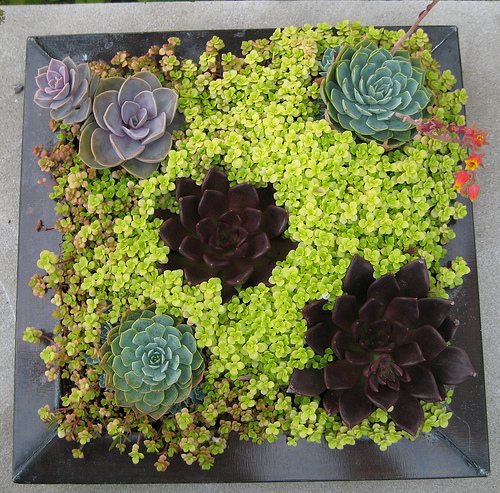
Imagine stepping outside your kitchen and snipping fresh basil for your pasta sauce, or brewing a calming cup of chamomile tea with herbs picked straight from your patio. Sounds idyllic, right? Growing your own herbs is easier than you might think, especially when you start with a container herb garden! It’s a rewarding and accessible way to bring fresh flavors and aromas into your home.
A container herb garden offers so much more than just convenience. Think about the money you'll save on those pricey supermarket herb packets. Plus, homegrown herbs are bursting with flavor and nutrients, far surpassing anything you can buy in a store. It's also a fantastic way to connect with nature, even if you only have a small balcony or windowsill. Whether you're a seasoned cook or a beginner gardener, a container herb garden can enrich your life in countless ways. Let's dive into how to create your own thriving herb oasis!
Choosing the Right Herbs for Your Container Garden
The first step in creating a successful container herb garden is selecting the right herbs. Consider your culinary preferences and the amount of sunlight your space receives. Some herbs thrive in full sun, while others prefer partial shade. Thinking about where your container garden will live is crucial to selecting the best herbs to grow.
For Sunny Spots: Basil, rosemary, thyme, oregano, sage, and lavender are sun-loving herbs that need at least 6-8 hours of direct sunlight per day. They are perfect for a south-facing balcony or a sunny windowsill. For Shady Spots: Mint, parsley, chives, cilantro, and lemon balm can tolerate partial shade, needing only 3-4 hours of sunlight daily. These are great options for east-facing patios or areas with dappled sunlight.
Consider your culinary habits. Do you frequently cook Italian dishes? Plant basil, oregano, and thyme. Are you a tea lover? Mint, chamomile, and lemon balm might be perfect. Start with a few of your favorite herbs and expand your collection as you gain confidence.
Also, think about growth habits. Mint, for example, is notorious for spreading, so it's best to keep it contained in its own pot. Rosemary can grow quite large, so choose a pot that can accommodate its mature size. By carefully considering these factors, you can create a container herb garden that’s both productive and manageable.
Step-by-Step: Planting Your Container Herb Garden
Now that you’ve selected your herbs, it’s time to get your hands dirty! Follow these simple steps to create your own thriving container herb garden:
1.Choose the Right Containers: Select pots that are at least 6 inches in diameter for smaller herbs like thyme and basil, and larger pots (12 inches or more) for rosemary, sage, and lavender. Make sure your pots have drainage holes to prevent waterlogging. Terracotta pots are a great choice because they allow the soil to breathe, but plastic pots are also fine.
2.Use a High-Quality Potting Mix: Avoid using garden soil, as it can compact in containers and hinder drainage. Instead, use a well-draining potting mix specifically formulated for containers. A mix of peat moss, perlite, and vermiculite is ideal.
3.Planting Your Herbs: Gently remove the herbs from their nursery containers and loosen the roots. Dig a hole in the potting mix that’s slightly larger than the root ball. Place the herb in the hole and backfill with potting mix, gently firming the soil around the base of the plant.
4.Water Thoroughly: After planting, water your herbs thoroughly until water drains out of the bottom of the pot. This helps settle the soil and ensures the roots are well-hydrated.
5.Placement: Place your containers in a location that receives the appropriate amount of sunlight for the herbs you’ve chosen.
6.Mulch (Optional): Add a thin layer of mulch around the base of the plants to help retain moisture and suppress weeds. Straw, wood chips, or even small pebbles work well.
Caring for Your Container Herb Garden
Once your herbs are planted, regular care is essential for healthy growth. Proper watering, fertilizing, and pruning will keep your herbs thriving throughout the growing season.
Watering: Water your herbs when the top inch of soil feels dry to the touch. Avoid overwatering, as this can lead to root rot. Water deeply, allowing the water to drain out of the bottom of the pot. The frequency of watering will depend on the weather and the type of herb. Mediterranean herbs like rosemary and thyme prefer drier conditions than herbs like basil and mint. Fertilizing: Container herbs benefit from regular feeding. Use a balanced liquid fertilizer diluted to half strength every 2-4 weeks during the growing season. Alternatively, you can use a slow-release granular fertilizer at planting time. Pruning: Regular pruning encourages bushier growth and prevents herbs from becoming leggy. Pinch back the tips of the stems regularly to promote branching. Harvest leaves frequently to keep your herbs productive. Removing flowers from herbs like basil will encourage leaf production. Pest and Disease Control: Inspect your herbs regularly for pests and diseases. Aphids, spider mites, and whiteflies are common pests that can infest herbs. Treat infestations with insecticidal soap or neem oil. Good air circulation can help prevent fungal diseases.
Can herbs really grow indoors in winter?
Absolutely! Many herbs can thrive indoors during the winter months with a little extra care. The key is providing enough light. A sunny windowsill or a grow light can make all the difference. Herbs like parsley, chives, oregano, mint, and thyme are particularly well-suited to indoor growing. Be sure to monitor the soil moisture and avoid overwatering, as indoor conditions tend to be less drying than outdoors. Providing humidity, like grouping plants together or using a pebble tray with water, will also help your herbs thrive.
Which herbs grow faster in pots?
Some herbs are naturally faster growers than others, making them ideal for container gardening where you want to see quick results. Basil is a notorious fast grower, quickly producing abundant leaves for pesto and other culinary delights. Mint, while needing its own container to prevent spreading, also grows rapidly. Cilantro is another fast grower, though it tends to bolt (go to seed) quickly in hot weather. Chives are also relatively quick to establish and provide a steady supply of flavorful leaves.
What are the best container gardening tips for shade-loving herbs?
Growing herbs in shady spots requires a few adjustments to ensure success. First, choose herbs that are known to tolerate shade, such as mint, parsley, chives, cilantro, and lemon balm. Second, use a high-quality potting mix that drains well, as shade can lead to slower evaporation. Third, be extra careful not to overwater, as the soil will stay moist longer in shady conditions. Finally, consider using a light-colored pot, which can help reflect some light onto the plants. Even shade-loving herbs benefit from some sunlight, so aim for a spot that receives at least a few hours of indirect light per day.
Harvesting and Using Your Fresh Herbs
One of the greatest rewards of growing your own herbs is being able to harvest them fresh for culinary use. Here are a few tips for harvesting and using your homegrown herbs: Harvesting: Harvest herbs in the morning, after the dew has dried and before the sun is at its strongest. This is when the essential oils are most concentrated, resulting in the best flavor. Use sharp scissors or pruning shears to snip off the stems or leaves. Using Fresh Herbs: Fresh herbs can be used in a variety of dishes, from salads and soups to sauces and entrees. Add herbs towards the end of cooking to preserve their flavor and aroma. You can also use fresh herbs to make herbal teas, infused oils, and vinegars. Drying Herbs: To preserve your herbs for later use, you can dry them. Tie small bunches of herbs together and hang them upside down in a cool, dark, and well-ventilated place. Alternatively, you can dry herbs in a dehydrator or in a low oven. Once the herbs are completely dry, store them in airtight containers in a cool, dark place. Freezing Herbs: Another option for preserving herbs is to freeze them. Chop the herbs and mix them with a little water or olive oil, then pour the mixture into ice cube trays. Once frozen, transfer the herb cubes to freezer bags. You can add the frozen herb cubes directly to soups, stews, and sauces.
Growing your own container herb garden is a journey of discovery and delight. Don’t be afraid to experiment with different herbs, potting mixes, and growing techniques. Each season brings new opportunities to learn and refine your gardening skills. Embrace the process, enjoy the fresh flavors, and let your container herb garden become a source of joy and inspiration in your everyday life. Happy gardening!
Post a Comment for "Step-by-Step: How to Grow a Container Herb Garden"