Balcony Herb Gardening: How to Keep Plants Thriving in Pots
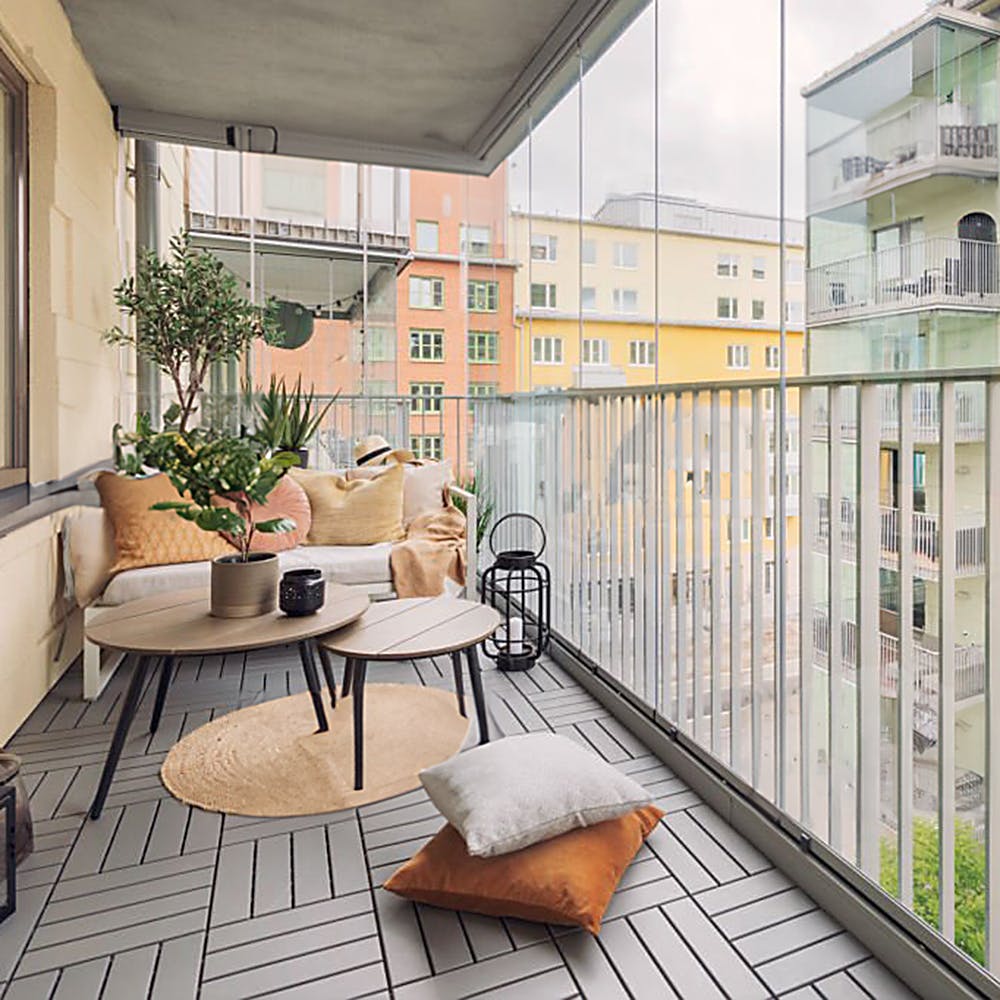
Imagine stepping onto your balcony, the aroma of fresh basil and mint filling the air. Picture yourself snipping a few sprigs of thyme to season tonight's dinner, all from your own little balcony herb garden. It’s easier than you think to transform your outdoor space into a thriving, fragrant oasis!
Balcony herb gardening offers a world of benefits, whether you're a seasoned cook, a budding gardener, or simply someone who appreciates the beauty and fragrance of fresh plants. Growing your own herbs provides a constant supply of flavourful ingredients for your culinary creations, allowing you to elevate your dishes with homegrown goodness. Plus, tending to your herb garden can be incredibly therapeutic, offering a relaxing escape from the hustle and bustle of daily life. And let's not forget the aesthetic appeal – a lush balcony herb garden adds vibrancy and charm to any urban dwelling. With a little knowledge and care, you can create a thriving ecosystem in pots, even in the smallest of spaces. Let’s explore how to keep your balcony herb plants thriving!
Choosing the Right Herbs for Your Balcony
The first step to a successful balcony herb garden is selecting the right herbs for your space and growing conditions. Consider the amount of sunlight your balcony receives, the available space, and your personal preferences. Not all herbs are created equal, and some are better suited for container gardening than others.
Sun vs. Shade: Matching Herbs to Your Balcony's Exposure
Most herbs thrive in at least six hours of sunlight per day. These sun-loving herbs include basil, rosemary, thyme, oregano, sage, and lavender. If your balcony is bathed in sunshine, these are excellent choices. Plant them in well-draining pots and watch them flourish.
However, if your balcony receives only partial sun or is mostly shaded, don't despair! There are plenty of shade-loving herbs that will thrive in less sunny conditions. Mint, parsley, chives, cilantro (also known as coriander), and lemon balm are all excellent options for shadier balconies. They may not grow as vigorously as their sun-loving counterparts, but they will still provide you with plenty of fresh herbs for your culinary adventures.
Best Herbs to Grow in Pots: Size Matters!
When choosing herbs for container gardening, consider their mature size. Some herbs, like mint, are vigorous growers and can quickly take over a pot if not contained. Others, like rosemary, can grow into large, woody shrubs over time.
Compact herbs like basil (especially dwarf varieties), thyme, oregano, chives, and parsley are generally well-suited for pots. Rosemary can also be grown in a pot, but you may need to prune it regularly to keep it under control. Mint is best grown in its own container to prevent it from crowding out other herbs.
Setting Up Your Balcony Herb Garden
Once you've chosen your herbs, it's time to set up your balcony herb garden. This involves selecting the right pots, soil, and location.
Choosing the Right Pots: Drainage is Key
The most important factor when choosing pots for your herbs is drainage. Herbs need well-draining soil to prevent root rot, so make sure your pots have drainage holes. Terracotta pots are a good choice because they are porous and allow excess moisture to evaporate. Plastic pots are also suitable, but they tend to retain more moisture, so be careful not to overwater.
Consider the size of your pots as well. Larger pots will retain more moisture and require less frequent watering, but they can also be heavy and take up more space. A good rule of thumb is to choose pots that are at least 6-8 inches in diameter for smaller herbs like thyme and oregano, and larger pots (10-12 inches) for herbs like basil and rosemary.
The Perfect Soil Mix: Nourishing Your Herbs
The soil you use is just as important as the pots. Use a high-quality potting mix that is specifically formulated for containers. Avoid using garden soil, as it can be too heavy and compact, leading to poor drainage. Look for a potting mix that contains a blend of peat moss, perlite, and vermiculite. This will provide good drainage and aeration, allowing your herbs to thrive. You can also add some compost to the potting mix to provide extra nutrients.
Finding the Sweet Spot: Location, Location, Location
Place your herb pots in a location that receives the appropriate amount of sunlight for the herbs you are growing. As mentioned earlier, most herbs need at least six hours of sunlight per day, so a south-facing balcony is ideal. If your balcony is shadier, choose shade-loving herbs and place them in the brightest spot possible.
Also, consider the wind exposure on your balcony. Strong winds can dry out the soil quickly and damage delicate herbs. If your balcony is windy, try to create a windbreak by placing your pots near a wall or railing. You can also use a screen or trellis to protect your herbs from the wind.
Caring for Your Balcony Herb Garden
Once your balcony herb garden is set up, it's time to start caring for your plants. This involves watering, fertilizing, and pruning.
Watering Wisely: Finding the Right Balance
Watering is crucial for the health of your herbs, but it's important to avoid overwatering. Overwatering can lead to root rot, which can kill your plants. Water your herbs when the top inch of soil feels dry to the touch. Water thoroughly until water drains out of the drainage holes, but avoid letting the pots sit in standing water.
The frequency of watering will depend on the weather, the type of pot you're using, and the type of herb you're growing. During hot, dry weather, you may need to water your herbs every day. In cooler weather, you may only need to water them every few days. Herbs grown in terracotta pots will dry out more quickly than those grown in plastic pots.
Feeding Your Herbs: Giving Them a Boost
Herbs need nutrients to grow and thrive, so it's important to fertilize them regularly. Use a balanced liquid fertilizer that is specifically formulated for herbs. Follow the instructions on the fertilizer label and apply it every 2-4 weeks during the growing season. Avoid over-fertilizing, as this can burn the roots of your plants.
You can also add some compost to the soil to provide extra nutrients. Compost is a natural fertilizer that releases nutrients slowly over time.
Pruning and Harvesting: Encouraging Growth and Flavor
Pruning and harvesting are essential for keeping your herbs healthy and productive. Regular pruning encourages bushier growth and prevents your herbs from becoming leggy. To prune your herbs, simply pinch off the tips of the stems. This will encourage the plant to produce more side shoots, resulting in a fuller, more productive plant.
Harvest your herbs regularly to encourage continued growth and to enjoy their fresh flavor. Simply snip off the leaves or stems as needed. The more you harvest, the more the plant will produce!
Common Pests and Diseases: Keeping Your Herbs Healthy
While herbs are generally resilient, they can be susceptible to certain pests and diseases. Common pests include aphids, spider mites, and whiteflies. These pests can suck the sap from your plants, causing them to weaken and die. To control pests, you can spray your plants with insecticidal soap or neem oil.
Common diseases include powdery mildew and root rot. Powdery mildew is a fungal disease that causes a white, powdery coating on the leaves. To prevent powdery mildew, ensure good air circulation around your plants and avoid overhead watering. Root rot is caused by overwatering and poor drainage. To prevent root rot, use well-draining soil and avoid overwatering.
People Also Ask: Common Balcony Herb Gardening Questions
Can herbs really grow indoors in winter?
Yes, many herbs can be successfully grown indoors during the winter months, especially with supplemental lighting. Herbs like rosemary, thyme, oregano, chives, and mint can all thrive indoors with enough light and proper care. Place them near a sunny window or use a grow light to provide them with the light they need. Be sure to monitor the humidity levels, as indoor air can be dry in the winter.
Which herbs grow faster in pots?
Certain herbs are known for their quick growth rates in containers. Basil, mint, cilantro, and chives are all relatively fast-growing herbs that can provide you with a steady supply of fresh leaves in a short amount of time. Be sure to provide them with adequate sunlight, water, and nutrients to maximize their growth potential.
Can I grow herbs from seed on my balcony?
Absolutely! Growing herbs from seed can be a rewarding experience, and it's a great way to save money. Start your seeds indoors a few weeks before the last frost and transplant them to your balcony pots once the weather has warmed up. Some herbs, like basil and cilantro, are particularly easy to grow from seed. Be sure to use a seed-starting mix and provide your seedlings with plenty of light.
Container Gardening Tips for Thriving Herbs
Rotate your pots regularly: This ensures that all sides of the plant receive equal sunlight. Check the soil moisture: Stick your finger into the soil to check for dryness before watering. Use a saucer under your pots: This will catch excess water and prevent it from dripping onto your balcony. Mulch your pots: This helps to retain moisture and suppress weeds. Protect your herbs from frost:If you live in an area with cold winters, bring your herbs indoors or protect them with frost cloth.
Balcony herb gardening is a fantastic way to bring the beauty and flavour of fresh herbs into your life. Don't be afraid to experiment with different herbs and techniques to find what works best for you and your space. Every balcony is different, and the joy is in learning what thrives in your personal microclimate. So, get your hands dirty, embrace the process, and enjoy the delicious rewards of your own thriving balcony herb garden!
Post a Comment for "Balcony Herb Gardening: How to Keep Plants Thriving in Pots"