Growing Herbs in Mason Jars: Creative Decor That’s Edible
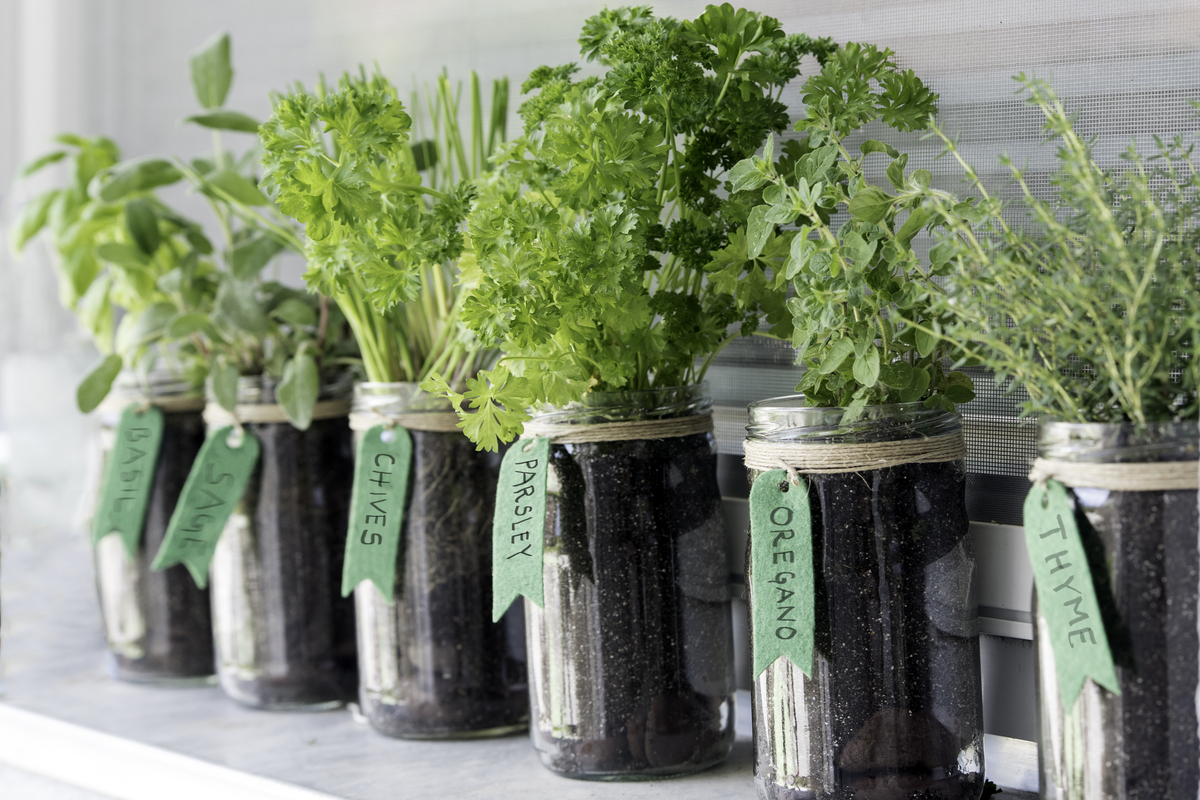
Imagine stepping into your kitchen, not just to cook, but to snip fresh basil for your pasta or pluck fragrant mint for your tea, all from a thriving mini-garden right on your windowsill. That's the beauty of growing herbs in mason jars – a touch of green, a burst of flavor, and a dash of rustic charm, all rolled into one delightful package.
This isn't just about having fresh herbs at your fingertips; it's about bringing life into your living space. It's about experiencing the simple joy of nurturing something from seed to harvest. And it's about adding a unique, edible element to your home decor. Growing herbs in mason jars is an incredibly accessible way to start gardening, even if you live in an apartment with limited outdoor space. Plus, it's a fantastic way to reduce your reliance on store-bought herbs, saving you money and ensuring you always have the freshest ingredients on hand. Let's dive into how you can create your own thriving indoor herb garden!
Getting Started with Your Mason Jar Herb Garden
The allure of growing herbs in mason jars lies in its simplicity and versatility. It's an easy and affordable way to add greenery and flavor to your home. Before you start planting, however, a little preparation will go a long way.
First, gather your supplies. You'll need mason jars (any size will do, but wide-mouth jars are generally easier to work with), potting mix specifically designed for herbs (avoid using garden soil, as it can compact too much in containers), herb seeds or starter plants, and some gravel or small stones for drainage.
Once you have your supplies, it's time to prepare your jars. Start by adding a layer of gravel or small stones to the bottom of each jar. This will help with drainage and prevent the soil from becoming waterlogged. Next, fill the jar with your potting mix, leaving about an inch of space at the top.
If you're starting from seeds, follow the instructions on the seed packet for planting depth and spacing. Gently water the soil after planting. If you're using starter plants, carefully remove them from their containers and gently loosen the roots before planting them in the mason jars.
Place your newly planted herbs in a sunny location, ideally a south-facing windowsill that receives at least six hours of sunlight per day. If you don't have enough natural light, you can supplement with a grow light.
Water your herbs regularly, allowing the soil to dry out slightly between waterings. Be careful not to overwater, as this can lead to root rot.
Can herbs really grow indoors in winter?
Yes, absolutely! While some herbs prefer warmer outdoor conditions, many thrive indoors, even during the winter months. The key is to provide them with enough light and warmth. South-facing windows are ideal, but if you don't have one, consider using a grow light. Also, be mindful of drafts from windows and doors, and try to maintain a consistent temperature. Some of the best herbs to grow indoors during winter include parsley, chives, mint, oregano, and thyme.
Choosing the Best Herbs to Grow in Mason Jars
Not all herbs are created equal when it comes to container gardening. Some herbs are naturally more compact and well-suited for growing in small spaces, while others require more room to spread out. When selecting herbs for your mason jar garden, consider factors like size, growth habit, and light requirements.
Here are some of the best herbs to grow in mason jars: Basil: A classic culinary herb that's relatively easy to grow. Choose compact varieties like 'Spicy Globe' or 'Thai Basil' for smaller jars. Mint: Known for its refreshing flavor and vigorous growth. Keep mint contained, as it can quickly take over other plants. Chives: A versatile herb with a mild onion flavor. Chives are easy to grow and tolerate a wide range of conditions. Parsley: A staple in many cuisines. Parsley prefers partial shade and moist soil. Oregano: A flavorful herb that's perfect for Italian dishes. Oregano is drought-tolerant and prefers well-drained soil. Thyme: A fragrant herb that's ideal for adding to soups, stews, and roasted dishes. Thyme is drought-tolerant and prefers full sun. Rosemary:While rosemary can get quite large, you can grow a smaller variety in a larger mason jar. Just be sure to provide excellent drainage.
Consider the light conditions you can provide. If you have a sunny windowsill, herbs like basil, thyme, and rosemary will thrive. If your space is shadier, opt for herbs like parsley, mint, and chives, which tolerate lower light levels.
Think about how you plan to use your herbs. Do you want a variety of flavors for cooking, or are you primarily interested in herbs for tea? Choosing herbs that you'll actually use will ensure that your mason jar garden is both beautiful and practical.
Finally, don't be afraid to experiment! Try different combinations of herbs and see what works best for you. Gardening should be a fun and rewarding experience.
Which herbs grow faster in pots?
Some herbs are naturally faster growers than others, making them ideal for impatient gardeners or those who want to see quick results. Mint, chives, and basil are known for their rapid growth in pots. Cilantro is also a relatively fast grower, but it tends to bolt (go to seed) quickly in hot weather. Regular harvesting will encourage continued growth and prevent bolting.
Creative Decor Ideas with Mason Jar Herbs
Growing herbs in mason jars isn't just about practicality; it's also about adding a touch of personality to your home decor. The rustic charm of mason jars combined with the vibrant green of herbs creates a beautiful and inviting display.
Here are some creative ways to incorporate your mason jar herb garden into your home decor: Window Sill Garden: Line up a row of mason jars filled with herbs on a sunny windowsill. This is a classic and simple way to display your herbs and provide them with the light they need. Hanging Herb Garden: Suspend mason jars from a rod or shelf using twine or macrame hangers. This is a great way to save space and add a touch of bohemian flair to your decor. Mason Jar Herb Wall: Create a vertical herb garden by attaching mason jars to a wooden board or pallet. This is a unique and eye-catching way to display your herbs and add a living wall to your home. Centerpiece: Use a cluster of mason jars filled with herbs as a centerpiece for your dining table or kitchen island. This is a simple and elegant way to bring the beauty of nature indoors. Gift Giving:Give mason jar herb gardens as gifts to friends and family. This is a thoughtful and practical gift that anyone can appreciate.
Don't be afraid to get creative and personalize your mason jar herb garden to match your style. You can paint the jars, add labels, or decorate them with twine or ribbon. The possibilities are endless!
How do I keep my mason jar herbs from getting too leggy?
"Leggy" herbs are characterized by long, spindly stems and sparse leaves, often a sign that they're not getting enough light. To prevent legginess, ensure your herbs receive at least six hours of direct sunlight per day. If natural light is insufficient, supplement with a grow light. Another important tip is to pinch back the stems regularly. This encourages bushier growth and prevents the plants from becoming too tall and thin. Pinching back also promotes more leaf production, which means more fresh herbs for you!
Troubleshooting Common Problems
Even with the best intentions, you might encounter some challenges when growing herbs in mason jars. Here are some common problems and how to address them: Yellowing Leaves: This can be a sign of overwatering, underwatering, or nutrient deficiency. Check the soil moisture and adjust your watering schedule accordingly. If the soil is consistently soggy, reduce watering frequency. If the soil is bone dry, water more often. You can also fertilize your herbs with a diluted liquid fertilizer specifically formulated for herbs. Root Rot: This is caused by excessive moisture and poor drainage. Make sure your mason jars have drainage holes and that you're not overwatering. If you suspect root rot, gently remove the plant from the jar, trim away any affected roots, and replant it in fresh potting mix. Pests: Aphids, spider mites, and other pests can sometimes infest indoor herb gardens. Inspect your plants regularly for signs of pests. If you find any, you can try washing them off with a strong stream of water or using an insecticidal soap. Mold: Mold can sometimes grow on the surface of the soil, especially in humid conditions. Improve air circulation by placing a small fan near your herbs. You can also sprinkle cinnamon on the soil surface, as it has antifungal properties.
With a little attention and care, you can overcome these challenges and enjoy a thriving mason jar herb garden. Remember that gardening is a learning process, so don't be discouraged if you make mistakes along the way.
The beauty of growing herbs in mason jars is that it’s accessible to everyone, regardless of their gardening experience or living situation. Whether you’re a seasoned gardener or a complete beginner, you can easily create a beautiful and functional herb garden that adds flavor and style to your home. So, gather your supplies, choose your favorite herbs, and get ready to embark on a rewarding gardening adventure. With a little bit of patience and care, you'll be enjoying fresh, homegrown herbs in no time!
Post a Comment for "Growing Herbs in Mason Jars: Creative Decor That’s Edible"