Grow Lights for Indoor Herb Gardens: What Works and What’s a Waste
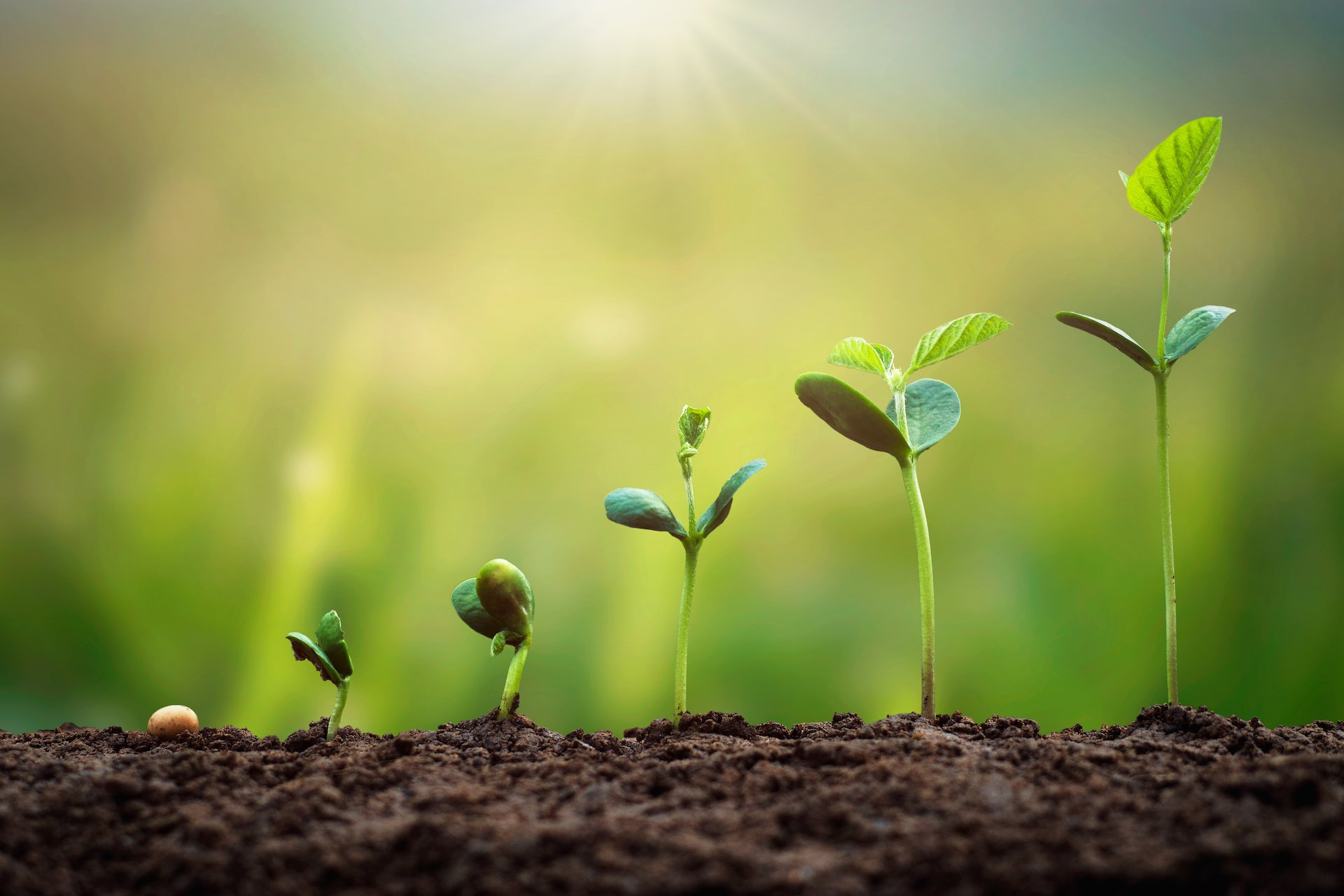
Ever dream of snipping fresh basil for pesto in the dead of winter? Or adding a sprinkle of home-grown chives to your scrambled eggs on a chilly spring morning? Bringing the vibrant flavors of an herb garden indoors is easier than you think, and with the right grow lights, even a novice gardener can enjoy a flourishing, fragrant harvest year-round.
The beauty of growing herbs indoors extends far beyond culinary convenience. It's about connecting with nature, even in a small way, improving air quality in your home, and adding a touch of green therapy to your daily life. But let's face it, natural sunlight isn't always reliable, especially during those shorter days. That's where grow lights come in. However, navigating the world of grow lights can feel overwhelming. With so many options available, it's tough to know what actually works and what's just a waste of money. This guide will help you choose the right grow lights for your indoor herb garden, ensuring a bountiful harvest and vibrant flavors, no matter the season.
Understanding Grow Lights: The Basics
Before diving into specific recommendations, let's cover the basics of what makes a grow light effective. Plants need light to photosynthesize, the process by which they convert light energy into chemical energy for growth. The color spectrum and intensity of the light play crucial roles in this process.
Think of sunlight – it contains the full spectrum of colors, from red to violet. Grow lights aim to mimic this, providing the specific wavelengths plants need for healthy growth. Blue light promotes leafy growth, while red light encourages flowering and fruiting. For most herbs, a balanced spectrum or a spectrum slightly favoring blue is ideal.
Intensity, or the amount of light emitted, is another key factor. Herbs like basil and rosemary need more intense light than shade-loving herbs like mint and parsley. Consider the light requirements of the best herbs to grow for your needs when selecting a grow light.
Finally, consider the efficiency of the light. Older types of grow lights, like incandescent bulbs, produce a lot of heat and consume a lot of energy, making them less efficient and potentially harmful to your herbs. Modern LED grow lights are far more energy-efficient and produce less heat, making them a much better choice for indoor herb gardens.
What Works: The Best Grow Light Options
Now, let’s explore the grow light options that consistently deliver great results for indoor herb gardens: LED (Light Emitting Diode) Grow Lights: These are the gold standard for indoor herb gardening. LEDs are incredibly energy-efficient, long-lasting (often rated for 50,000 hours or more), and produce very little heat. They also offer a broad spectrum of light that can be tailored to your plants' specific needs. Look for "full-spectrum" LEDs, which provide a balanced range of colors suitable for all stages of plant growth. Panel-style LEDs are great for larger herb gardens, while smaller clip-on or strip LEDs are perfect for single pots or small groupings of herbs. T5 Fluorescent Grow Lights: These are a good option if you're on a budget or have a smaller space. T5 fluorescent lights are more energy-efficient than older fluorescent bulbs and provide a decent spectrum of light for herb growth. They do produce some heat, so be sure to position them at a safe distance from your plants. They're also relatively inexpensive to replace. Compact Fluorescent Lamps (CFLs):Similar to T5s, CFLs are another budget-friendly option. They're easy to find and use, and they produce less heat than incandescent bulbs. However, they're not as energy-efficient as LEDs and have a shorter lifespan. CFLs are best suited for small, low-light herbs or seedlings.
What’s a Waste: Grow Lights to Avoid
While there are many great grow light options, some are simply not worth the investment for an indoor herb garden: Incandescent Bulbs: These are the least efficient and most problematic option. Incandescent bulbs produce very little usable light for plants and generate a lot of heat, which can damage or dry out your herbs. Halogen Bulbs: Similar to incandescent bulbs, halogen bulbs produce a lot of heat and are not energy-efficient. They also have a relatively short lifespan. "Blurple" LED Grow Lights (Older Generation):These older-style LEDs emit a strong purple light, supposedly designed for optimal plant growth. However, the narrow spectrum of light can actually hinder plant development and is generally not as effective as full-spectrum LEDs. They can also be quite harsh on your eyes!
Setting Up Your Grow Lights: A Step-by-Step Guide
Once you've chosen the right grow lights, it's time to set them up for optimal herb growth. Here’s an herb growing guide to help you get started:
1.Determine the Placement: Consider the natural light available in your space. Position your herb garden near a window if possible, even if you're using grow lights. This will supplement the artificial light and help your herbs thrive.
2.Install the Grow Lights: Follow the manufacturer's instructions for installing your chosen grow lights. If using panel-style LEDs or T5 fluorescent fixtures, you may need to hang them from a shelf or ceiling. Clip-on LEDs and CFLs can be easily attached to a shelf or desk.
3.Adjust the Distance: The distance between the grow lights and your herbs is crucial. Start with the recommended distance from the manufacturer, and then adjust as needed. If your herbs are looking leggy (tall and spindly) or have pale leaves, they may not be getting enough light. Lower the lights or increase the intensity. If the leaves are scorched or bleached, they may be getting too much light. Raise the lights or reduce the intensity.
4.Set a Timer: Consistent light exposure is important for herb growth. Use a timer to automatically turn your grow lights on and off for a consistent photoperiod (the amount of time the plants are exposed to light). Most herbs need 12-16 hours of light per day.
5.Monitor Your Herbs: Regularly check your herbs for signs of stress, such as yellowing leaves, stunted growth, or pest infestations. Adjust the light intensity, watering schedule, and fertilization as needed.
Can herbs really grow indoors in winter?
Absolutely! That's the beauty of using grow lights. While natural sunlight may be limited during winter months, grow lights provide the consistent light spectrum and intensity your herbs need to thrive indoors, regardless of the season. With proper care and the right grow lights, you can enjoy fresh herbs year-round.
Which herbs grow faster in pots?
Some herbs are naturally better suited for container gardening and tend to grow faster in pots. These include basil, mint, chives, parsley, and oregano. They are relatively compact, have shallow root systems, and tolerate being confined to a pot. Rosemary and thyme can also be grown in pots, but they may require larger containers and more frequent pruning.
Container gardening tips for herbs?
Choose the Right Pot: Select pots that are appropriately sized for the herbs you're growing. Ensure the pots have drainage holes to prevent waterlogging. Use High-Quality Potting Mix: Avoid using garden soil in containers, as it can become compacted and drain poorly. Use a well-draining potting mix specifically designed for containers. Water Regularly: Water your herbs when the top inch of soil feels dry. Avoid overwatering, as this can lead to root rot. Fertilize Sparingly: Herbs generally don't need a lot of fertilizer. Feed them with a diluted liquid fertilizer every few weeks during the growing season. Prune Regularly:Pruning encourages bushier growth and prevents your herbs from becoming leggy. Harvest your herbs regularly to promote continued production.
Beyond the Lights: Creating the Ideal Environment
While grow lights are essential, they're just one piece of the puzzle. To create the ideal environment for your indoor herb garden, consider these factors: Temperature: Most herbs prefer temperatures between 65-75°F (18-24°C). Avoid placing your herbs near drafts or heat sources. Humidity: Indoor air can be quite dry, especially during winter. Increase humidity around your herbs by grouping them together, using a humidifier, or placing the pots on trays filled with pebbles and water. Air Circulation: Good air circulation helps prevent fungal diseases. Ensure there is adequate airflow around your herbs by opening a window occasionally or using a small fan. Watering: Water deeply and allow the soil to dry slightly between waterings. Overwatering can lead to root rot. Fertilizing:Use a balanced, water-soluble fertilizer diluted to half strength every few weeks during the growing season. Avoid over-fertilizing, as this can burn the roots.
Growing herbs indoors is a rewarding experience that brings the fresh flavors of summer into your home year-round. Don't be afraid to experiment with different grow light options and growing techniques to find what works best for you and your herbs. With a little patience and attention, you'll be enjoying a bountiful harvest of homegrown herbs in no time. So go ahead, start your indoor herb garden and taste the difference fresh, homegrown herbs can make!
Post a Comment for "Grow Lights for Indoor Herb Gardens: What Works and What’s a Waste"