How to Grow Herbs Inside Without Direct Sun
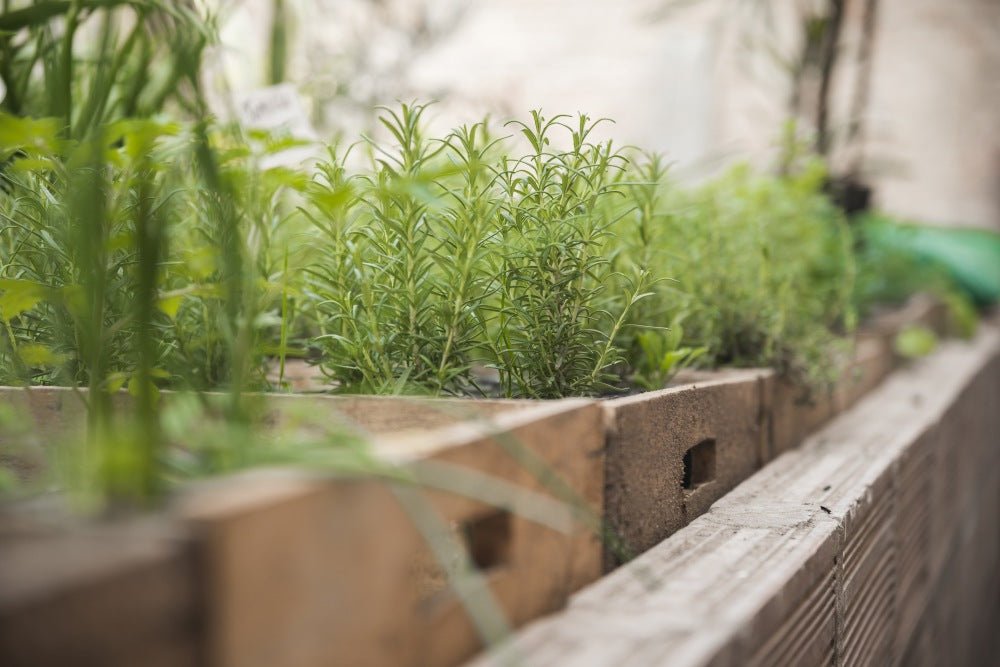
Dreaming of fresh, fragrant herbs to elevate your cooking, even if your apartment is a little…light-challenged? You absolutely can bring the garden indoors, even without direct sunlight streaming through your windows. Growing herbs inside without direct sun might seem like a challenge, but it's surprisingly achievable with a few smart strategies.
This isn't just about having a pretty plant on your windowsill. Growing your own herbs opens up a world of flavor, allows you to avoid those wilted, overpriced supermarket bunches, and connects you to the natural world in a simple, yet profound way. Imagine snipping fresh basil for your pasta, adding mint to your tea, or creating your own herbal remedies, all from the comfort of your home. It's a rewarding and sustainable way to enhance your daily life.
Choosing the Right Herbs for Shade
The key to successfully growing herbs indoors without direct sun lies in selecting the right varieties. Not all herbs thrive under low-light conditions, so it's crucial to choose those that are naturally more shade-tolerant.
Here are some of the best herbs to grow indoors with minimal direct sunlight: Mint: This vigorous herb is incredibly adaptable and actually prefers partial shade. Its refreshing flavor is perfect for teas, cocktails, and culinary dishes. Keep mint contained in a pot, as it tends to spread aggressively. Parsley: Both flat-leaf (Italian) and curly parsley varieties can tolerate lower light levels. Parsley is a versatile herb that adds freshness to soups, salads, and sauces. Chives: These onion-flavored herbs are relatively easy to grow indoors and don't require intense sunlight. Snip them fresh to add a subtle kick to your dishes. Lemon Balm: As a member of the mint family, lemon balm is also shade-tolerant. Its citrusy aroma and flavor make it a delightful addition to teas and desserts. Cilantro (Coriander): While cilantro prefers some sunlight, it can often be grown successfully indoors without direct sun, especially if you provide supplemental lighting. Oregano: Though it prefers full sun outdoors, oregano is surprisingly resilient and can adapt to indoor growing with less light. The flavor may be slightly less intense, but still delicious. Thyme:Another herb that typically thrives in full sun, thyme can still do reasonably well indoors with indirect light or supplemental lighting.
Remember that even shade-tolerant herbs needsomelight. A north-facing windowsill might not be enough, so consider using supplemental lighting, which we'll discuss later.
Can herbs really grow indoors in winter?
Absolutely! In fact, growing herbs indoors during the winter months is a great way to have fresh flavors available when outdoor gardens are dormant. Even if you have a summer garden, keeping a few of these low-light herbs indoors ensures a year-round supply. The key is to provide them with the right conditions: appropriate potting mix, consistent watering (without overwatering!), and adequate light, even if it’s artificial. Remember to adjust your watering schedule as the humidity and temperature change during the winter.
Setting Up Your Indoor Herb Garden
Once you've chosen your herbs, it's time to create the perfect indoor environment for them to thrive.
Containers: Select pots with drainage holes to prevent waterlogging, which can lead to root rot. Terracotta pots are a good choice because they allow the soil to breathe. The size of the pot depends on the herb; larger herbs like mint and parsley will need larger containers than smaller herbs like chives. Potting Mix: Use a high-quality potting mix that is specifically formulated for containers. Avoid using garden soil, as it can be too heavy and compact for indoor growing. A mix containing peat moss, perlite, and vermiculite is ideal. Location: Choose a location that receives bright, indirect light. An east-facing or west-facing windowsill can work well, as long as the herbs are not exposed to direct sunlight for extended periods. You can also place your herbs near a window that receives filtered light through curtains or blinds. Watering: Water your herbs when the top inch of soil feels dry to the touch. Avoid overwatering, as this can lead to root rot. Make sure the excess water drains out of the bottom of the pot. Fertilizing: Feed your herbs with a liquid fertilizer every 2-4 weeks during the growing season (spring and summer). Choose a fertilizer that is specifically formulated for herbs or vegetables. Temperature: Most herbs prefer temperatures between 60°F and 75°F (15°C and 24°C). Avoid placing your herbs near drafts or heating vents. Humidity:Indoor air can be dry, especially during the winter. Increase humidity by misting your herbs regularly, placing them on a tray filled with pebbles and water (making sure the pot isn't sittinginthe water), or using a humidifier.
Which herbs grow faster in pots?
Mint and chives are known for their relatively fast growth rates in pots. Cilantro also grows quickly but tends to bolt (go to seed) relatively fast, especially in warmer conditions, so you’ll need to succession plant – sow new seeds every few weeks – to ensure a continuous harvest. Parsley, though not as rapid as mint, still provides a reasonable harvest within a few weeks of planting.
Supplemental Lighting for Indoor Herbs
Even shade-tolerant herbs need some light to thrive. If you don't have a bright enough location, you can supplement with artificial lighting.
Grow Lights: LED grow lights are an energy-efficient and effective option. Look for full-spectrum LED grow lights, which provide the entire range of light that plants need. Place the grow light a few inches above your herbs and leave it on for 12-16 hours per day. Fluorescent Lights: Fluorescent lights are another option, but they are less energy-efficient than LED lights. Use cool-white fluorescent bulbs for vegetative growth. Placement:Position the grow light directly above your herbs to ensure that they receive even light coverage. Adjust the height of the light as your herbs grow.
Troubleshooting Common Problems
Even with the best care, you might encounter some problems when growing herbs indoors. Here are some common issues and how to address them: Yellowing Leaves: This can be caused by overwatering, underwatering, or nutrient deficiencies. Check the soil moisture and adjust your watering schedule accordingly. If the soil is dry, water thoroughly. If the soil is soggy, allow it to dry out before watering again. You may also need to fertilize your herbs. Leggy Growth: This is when the stems become long and spindly, with few leaves. It's usually a sign that the herbs are not getting enough light. Move your herbs to a brighter location or supplement with artificial lighting. Pests: Indoor herbs can be susceptible to pests such as aphids, spider mites, and whiteflies. Inspect your herbs regularly for signs of pests. If you find any, treat them with insecticidal soap or neem oil. Root Rot: This is caused by overwatering and poor drainage. The roots will turn brown and mushy. To prevent root rot, use pots with drainage holes and avoid overwatering. If you suspect root rot, repot your herbs in fresh potting mix.
Why are my herbs not as flavorful as store-bought?
The intensity of flavor in herbs is influenced by several factors, including sunlight, soil quality, and watering practices. Herbs grown indoors without direct sun might have a slightly milder flavor than those grown outdoors in full sun. To maximize flavor, ensure your herbs receive adequate (even if artificial) light, use a well-draining potting mix, and avoid overwatering. You can also try using a fertilizer specifically formulated for herbs to enhance their flavor. Another tip is to harvest your herbs in the morning, after the dew has dried, as this is when their essential oils are most concentrated.
Growing herbs inside without direct sun is a rewarding journey that brings fresh flavors and vibrant greenery into your home. Don’t be afraid to experiment with different varieties, lighting setups, and watering schedules to find what works best for your space. With a little patience and care, you’ll be harvesting your own homegrown herbs in no time, adding a touch of culinary magic to every dish. Keep learning, keep experimenting, and most of all, enjoy the process of nurturing your indoor herb garden!
Post a Comment for "How to Grow Herbs Inside Without Direct Sun"