Growing Herbs on a Balcony
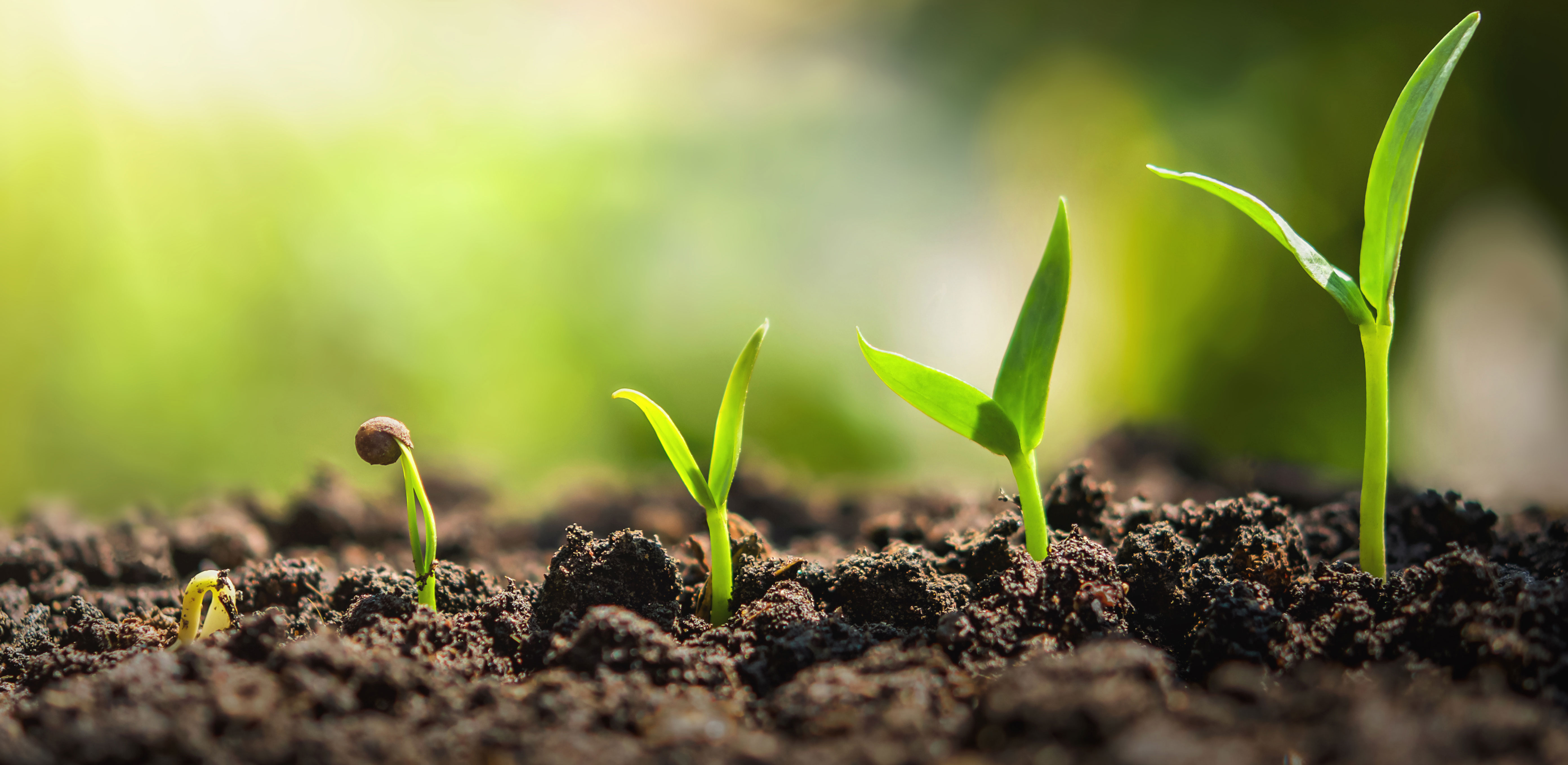
Imagine stepping onto your balcony and being greeted by the fragrant aroma of fresh basil, rosemary, and thyme. Growing your own herbs isn't just for those with sprawling gardens; a sunny balcony can be transformed into a thriving herb garden, providing you with fresh, flavorful ingredients right at your fingertips.
Balcony herb gardening opens up a world of culinary possibilities. Imagine snipping fresh chives to garnish your morning eggs, brewing a calming chamomile tea with flowers you’ve grown yourself, or adding homegrown oregano to your favorite pasta sauce. Beyond the kitchen, herbs offer therapeutic benefits, adding beauty to your space, and connecting you to the natural world, even in an urban setting. Let’s explore how you can create your own balcony oasis, filled with the bounty of fresh herbs.
Choosing the Best Herbs for Your Balcony Garden
Selecting the right herbs is crucial for success. Consider the amount of sunlight your balcony receives, as well as the space available. Some herbs thrive in full sun, while others prefer partial shade. Also, think about which herbs you use most often in your cooking.
For sunny balconies (at least 6 hours of direct sunlight daily), Mediterranean herbs like rosemary, thyme, oregano, and sage are excellent choices. Basil also loves the sun and warm temperatures. These herbs are relatively drought-tolerant, making them perfect for container gardening on a balcony where the soil can dry out quickly.
If your balcony receives partial shade (around 4 hours of direct sunlight), you can still grow a variety of herbs. Mint, parsley, chives, and cilantro can tolerate some shade. Remember that herbs grown in shadier conditions may not be as intensely flavored as those grown in full sun, but they will still provide fresh flavor.
Consider these popular options for balcony herb gardens: Basil: A must-have for any kitchen garden, basil is easy to grow from seed or cuttings. Mint: Known for its vigorous growth, it's best to keep mint in its own container to prevent it from taking over your entire balcony. Rosemary: A fragrant and drought-tolerant herb that adds a touch of elegance to your balcony. Thyme: A low-growing herb that's perfect for filling in gaps between other plants. Chives: A mild onion-flavored herb that's easy to grow and adds a pop of green to any dish. Parsley: A versatile herb that can be used in a variety of dishes. Oregano: A flavorful herb that's essential for Italian and Mediterranean cuisine. Cilantro: A fast-growing herb that's perfect for adding fresh flavor to Mexican and Asian dishes.
Essential Container Gardening Tips for Balcony Herbs
The right containers and soil are vital for healthy herb growth. Choose pots that are appropriately sized for the herbs you're growing. Most herbs will do well in containers that are at least 6-8 inches in diameter, but larger plants like rosemary may need a bigger pot. Make sure your pots have drainage holes to prevent waterlogging, which can lead to root rot.
Use a high-quality potting mix that's specifically formulated for containers. Avoid using garden soil, as it can become compacted in pots and doesn't drain well. A good potting mix will provide adequate drainage, aeration, and nutrients for your herbs.
Here are some additional container gardening tips for growing herbs on a balcony: Choose lightweight containers: Balconies often have weight restrictions, so opt for lightweight pots made of plastic, resin, or fiberglass. Consider self-watering containers: These can be helpful for busy gardeners or those who tend to over or underwater their plants. Use pot feet or risers: These elevate your pots, improving drainage and preventing water stains on your balcony floor. Group plants with similar watering needs together: This makes it easier to care for your herbs and prevents overwatering or underwatering. Add a layer of mulch:Mulch helps retain moisture in the soil and suppress weeds.
Can herbs really grow indoors in winter?
Yes, many herbs can thrive indoors during the winter months with proper care. The key is to provide them with enough light, either through a sunny window or with the help of grow lights. Herbs like rosemary, thyme, oregano, and mint can all be successfully grown indoors with sufficient light and well-draining soil. Make sure to monitor the humidity levels and water accordingly, as indoor environments can be drier than outdoors.
Sunlight, Watering, and Fertilizing Your Balcony Herbs
Proper sunlight, watering, and fertilization are essential for healthy herb growth. As mentioned earlier, most herbs need at least 6 hours of direct sunlight per day, but some can tolerate partial shade. If your balcony doesn't receive enough sunlight, you can supplement with grow lights.
Water your herbs regularly, but avoid overwatering. Allow the soil to dry out slightly between waterings. The best way to tell if your herbs need water is to stick your finger into the soil. If the top inch feels dry, it's time to water.
Fertilize your herbs every few weeks with a balanced, water-soluble fertilizer. Avoid over-fertilizing, as this can lead to leggy growth and reduced flavor. Organic fertilizers, such as fish emulsion or seaweed extract, are also excellent options.
Watering Frequency: Check soil moisture regularly, especially during hot weather. Water deeply when the top inch of soil feels dry. Sunlight Management: Rotate pots regularly to ensure even light exposure. Use shade cloth during peak sun hours if needed. Fertilizer Application:Follow package instructions carefully to avoid over-fertilizing. Consider using slow-release fertilizers.
Which herbs grow faster in pots?
Some herbs are naturally faster growers than others, making them ideal for gardeners who want to see quick results. Basil, mint, cilantro, and chives are all relatively fast-growing herbs that can be harvested within a few weeks of planting. These herbs are also relatively easy to grow from seed, making them a great choice for beginner gardeners.
Harvesting and Using Your Balcony Herbs
Harvesting your herbs regularly encourages them to grow bushier and produce more leaves. The best time to harvest herbs is in the morning, after the dew has dried but before the sun gets too hot. Use sharp scissors or pruning shears to snip off the stems or leaves you need.
To dry your herbs, hang them upside down in a cool, dark, and well-ventilated place. You can also dry them in a dehydrator or in the oven on low heat. Once your herbs are completely dry, store them in airtight containers in a cool, dark place.
Here are some tips for using your fresh balcony herbs: Basil: Add fresh basil to salads, pasta sauces, pizzas, and pesto. Mint: Use mint to make tea, mojitos, and other refreshing drinks. Add it to salads, desserts, and sauces. Rosemary: Use rosemary to season roasted meats, vegetables, and potatoes. Add it to bread, soups, and stews. Thyme: Use thyme to season poultry, fish, and vegetables. Add it to soups, stews, and sauces. Chives: Add fresh chives to salads, soups, omelets, and baked potatoes. Parsley: Use parsley as a garnish for soups, salads, and other dishes. Add it to sauces, pesto, and dips. Oregano: Use oregano to season pizza, pasta sauces, and grilled meats. Cilantro: Add cilantro to salsas, tacos, and other Mexican and Asian dishes.
What are some shade-loving herbs perfect for balconies?
Even balconies with limited sunlight can host a thriving herb garden. Shade-tolerant herbs like mint, parsley, chives, and cilantro are excellent choices. These herbs typically require only 4 hours of direct sunlight or can thrive in dappled shade throughout the day. Providing them with well-draining soil and regular watering will ensure a bountiful harvest.
Enjoy the Fruits (and Herbs!) of Your Labor
Growing herbs on a balcony is a rewarding experience that connects you with nature and provides you with fresh, flavorful ingredients for your kitchen. By choosing the right herbs, providing them with the proper care, and harvesting them regularly, you can create a thriving balcony herb garden that you'll enjoy for years to come. Don’t be afraid to experiment with different herbs and techniques to find what works best for your space and your taste. Happy gardening!
Post a Comment for "Growing Herbs on a Balcony"