Growing Herbs Indoors During Winter Without Sunlight
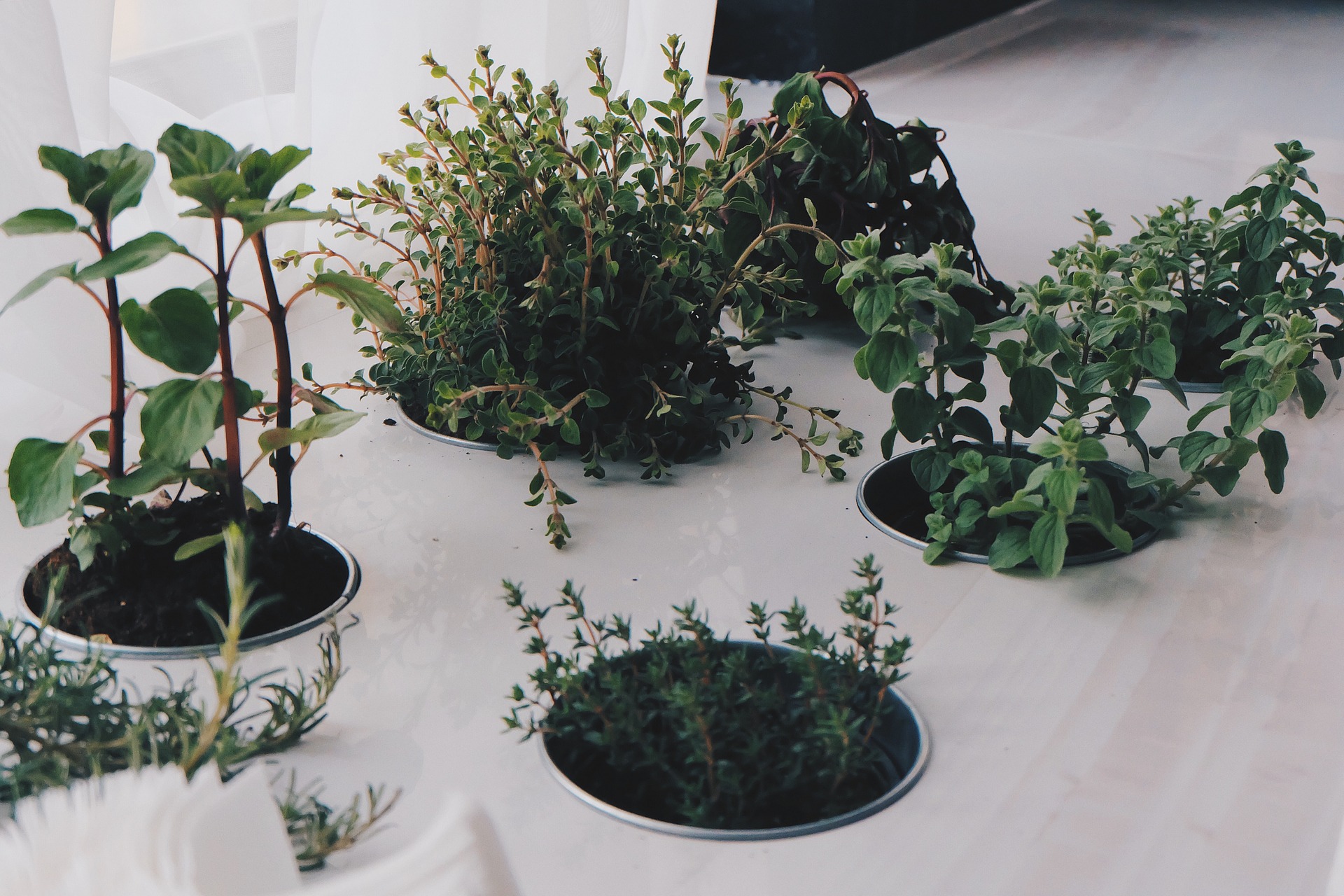
The days are getting shorter, a frosty chill kisses the air, and your beloved herb garden outside is starting to look… well, sad. But don’t resign yourself to bland, herb-less meals all winter! You can absolutely bring the vibrant flavors of fresh herbs indoors and enjoy them all season long – even without relying on natural sunlight.
Growing herbs indoors during winter without sunlight might seem like a daunting task, but it's surprisingly achievable with the right knowledge and a little bit of planning. Think of it: fragrant basil for your winter tomato soup, fresh mint for a cozy evening tea, or vibrant chives to sprinkle on your baked potatoes. Not only will you elevate your cooking, but you'll also enjoy the mental and emotional benefits of nurturing living plants during the darker months. It's a little burst of green joy in the middle of winter! Let's dive in and explore how you can create your own thriving indoor herb garden, even without relying on the sun.
Setting Up Your Indoor Herb Garden
The key to successfully growing herbs indoors without sunlight is providing them with the necessary environmental conditions artificially. This means focusing on lighting, temperature, soil, and watering techniques.
Choosing the Right Grow Lights
Grow lights are your new best friend when it comes to indoor herb gardening. They mimic the sun's rays and provide the essential light energy your herbs need to thrive. There are several types of grow lights available, each with its own pros and cons: LED Grow Lights: These are energy-efficient, long-lasting, and produce very little heat. They are a fantastic option for beginners and experienced gardeners alike. Look for full-spectrum LED lights that provide a balanced range of light wavelengths. Fluorescent Grow Lights (T5 or T8): These are a more budget-friendly option than LEDs. They provide good light coverage but generate more heat and need to be replaced more frequently. Incandescent Grow Lights:While these are the cheapest option, they are not recommended for growing herbs. They produce a lot of heat and don't provide the necessary light spectrum for healthy plant growth.
When setting up your grow lights, position them about 6-12 inches above your herbs. Adjust the height as your plants grow to ensure they receive adequate light. Generally, herbs need around 14-16 hours of light per day, followed by 8 hours of darkness. Using a timer can automate this process and ensure consistent light exposure.
Selecting the Right Containers and Soil
Choosing the right containers and soil is just as important as providing adequate light.
Containers: Opt for containers with drainage holes to prevent waterlogging, which can lead to root rot. Terracotta pots are a good choice as they allow the soil to breathe. The size of the container will depend on the type of herb you are growing. Smaller herbs like thyme and oregano can thrive in 4-6 inch pots, while larger herbs like basil and rosemary may need 8-12 inch pots. Soil: Use a well-draining potting mix specifically formulated for herbs or vegetables. Avoid using garden soil, as it can be too heavy and compact for container gardening. You can also amend your potting mix with perlite or vermiculite to improve drainage and aeration.
Watering and Humidity
Watering correctly is crucial for healthy herb growth. Overwatering is a common mistake that can lead to root rot. Water your herbs when the top inch of soil feels dry to the touch. Ensure that excess water drains out of the bottom of the pot.
Maintaining adequate humidity is also important, especially during the dry winter months. You can increase humidity around your herbs by: Grouping plants together: This creates a microclimate with higher humidity. Using a humidifier: Place a humidifier near your herb garden. Placing pots on a tray filled with pebbles and water:As the water evaporates, it will increase the humidity around the plants. Just be sure the bottoms of the pots are not submerged in the water.
Temperature Control
Most herbs prefer temperatures between 60-75°F (15-24°C). Avoid placing your herb garden near drafts or sources of extreme heat or cold.
Best Herbs to Grow Indoors Without Sunlight
Whilenoherb truly thrives in complete darkness, some are more tolerant of lower light conditions and will do well under grow lights. These shade-loving herbs are great for indoor gardening during the winter: Mint: Mint is a vigorous grower and can tolerate lower light conditions. It’s best to grow it in its own container, as it can be invasive. Parsley: Parsley prefers partial shade and can thrive under grow lights. Chives: Chives are easy to grow and add a mild onion flavor to dishes. Lemon Balm: Lemon balm has a refreshing citrusy aroma and is relatively low-maintenance. Oregano: Oregano is a hardy herb that can tolerate lower light conditions. Thyme: Thyme is a drought-tolerant herb that does well under grow lights.
Other herbs like basil, rosemary, and sage can also be grown indoors, but they require more light and may need to be placed closer to the grow lights for optimal growth.
Herb Growing Guide: Troubleshooting Common Issues
Even with the best setup, you may encounter some common issues when growing herbs indoors. Here are some tips for troubleshooting: Yellowing Leaves: This can be caused by overwatering, underwatering, nutrient deficiencies, or pests. Check the soil moisture and adjust your watering schedule accordingly. Fertilize your herbs with a balanced liquid fertilizer every 2-4 weeks. Inspect your plants for pests and treat them accordingly. Leggy Growth: This is when your herbs grow tall and spindly with few leaves. It's usually caused by insufficient light. Move your herbs closer to the grow lights or increase the duration of light exposure. Powdery Mildew: This is a fungal disease that appears as a white powdery coating on the leaves. Improve air circulation around your plants and treat them with a fungicide if necessary. Pests: Common indoor herb pests include aphids, spider mites, and whiteflies. Inspect your plants regularly and treat them with insecticidal soap or neem oil.
Can herbs really grow indoors in winter?
Absolutely! While outdoor herbs may struggle in the cold, many herbs can thrive indoors with proper care. The key is to provide them with adequate light, proper watering, and good air circulation. Using grow lights is essential for success, especially during the darker winter months. Remember that Growing Herbs Indoors During Winter Without Sunlightis aboutsupplementingsunlight.
Which herbs grow faster in pots?
Mint, chives, and parsley are known for their relatively fast growth rates in pots. They tend to adapt well to container life and readily produce fresh foliage for harvesting. Regularly trimming and harvesting your herbs will encourage further growth.
Container gardening tips for beginners?
Start small with just a few herbs that you use frequently. Choose a good quality potting mix and make sure your containers have drainage holes. Water when the top inch of soil is dry and fertilize regularly. Most importantly, place your herbs under grow lights for at least 14 hours a day. Don’t be afraid to experiment and learn as you go.
Harvesting and Enjoying Your Indoor Herbs
Once your herbs have established themselves, you can start harvesting them. Use sharp scissors or pruning shears to snip off stems and leaves. Avoid removing more than one-third of the plant at a time, as this can stress the plant and slow down growth.
Harvest your herbs in the morning, after the dew has dried. This is when the essential oils are most concentrated, resulting in the best flavor.
You can use your fresh herbs immediately in your cooking or preserve them for later use by drying, freezing, or making herb-infused oils or vinegars. The possibilities are endless!
Growing herbs indoors during winter without sunlight is a rewarding experience that can bring joy and flavor to your life. Don't be intimidated by the lack of natural light. With the right tools, knowledge, and a little bit of patience, you can create a thriving indoor herb garden that will provide you with fresh, flavorful herbs all winter long. So go ahead, embrace the world of indoor gardening, and let your culinary creativity bloom! Keep experimenting, learning, and most importantly, enjoying the process of nurturing your own little green oasis indoors.
Post a Comment for "Growing Herbs Indoors During Winter Without Sunlight"