Compost Tea Sprays for Tomato Leaf Nutrition
Want to give your tomato plants a super boost, naturally? Forget complicated fertilizers! The secret weapon for vibrant, healthy tomatoes might already be brewing in your backyard: compost tea. But we're not just talking about watering the soil. We're talking about foliar feeding – specifically, using compost tea sprays for tomato leaf nutrition.
Why should you consider spraying your tomato leaves with compost tea? Because it's a fast track to healthier, more productive plants. Foliar feeding allows your tomatoes to absorb nutrients directly through their leaves, bypassing any potential issues with soil uptake. This is especially useful if your soil is compacted, has p H imbalances, or simply lacks certain essential nutrients. Plus, a good compost tea is teeming with beneficial microbes that can protect your plants from disease and pests. Think bigger, juicier tomatoes, and a garden that's more resilient. Using compost tea sprays for tomato leaf nutrition is a game-changer for any tomato grower. It’s an easy, organic way to give your plants exactly what they need, exactly where they need it.
The Magic of Compost Tea for Tomatoes
Compost tea is essentially a liquid extract of compost, packed with beneficial bacteria, fungi, protozoa, and nematodes. These microorganisms are the workhorses of a healthy ecosystem, both in the soil and on the plant surfaces. When sprayed onto tomato leaves, they create a protective barrier against disease-causing pathogens and help the plant absorb vital nutrients.
Think of it this way: your tomato leaves have tiny pores called stomata. When you spray them with compost tea, the nutrients and beneficial microbes are absorbed directly through these pores. This is a much faster and more efficient way to deliver nutrients than waiting for the roots to absorb them from the soil. Foliar feeding with compost tea is like giving your tomato plants a delicious, nutritious smoothie right where they need it most. It's especially effective for addressing nutrient deficiencies quickly.
Making Your Own Compost Tea
The best part about using compost tea sprays for tomato leaf nutrition is that you can easily make it at home! Here's a basic recipe:You'll need:
A 5-gallon bucket
An aquarium air pump and air stone
A nylon straining bag or old pillowcase
1-2 cups of high-quality, finished compost (the better the compost, the better the tea!)
Unchlorinated water (let tap water sit out for 24 hours to dechlorinate)
Optional: 1 tablespoon of unsulphured molasses (to feed the microbes)
Instructions
- Fill the bucket with unchlorinated water.
- Place the compost in the nylon straining bag and tie it closed.
- Submerge the bag of compost in the water.
- Place the air stone at the bottom of the bucket and connect it to the air pump. This will aerate the tea and keep the microbes alive and active.
- Add the molasses, if using.
- Let the tea brew for 24-48 hours, stirring occasionally. The tea should smell earthy and slightly sweet. If it smells foul, something went wrong, and you should discard it and start again.
- After brewing, remove the bag of compost and strain the tea through a cheesecloth or fine-mesh sieve to remove any large particles.
- Your compost tea is now ready to use!
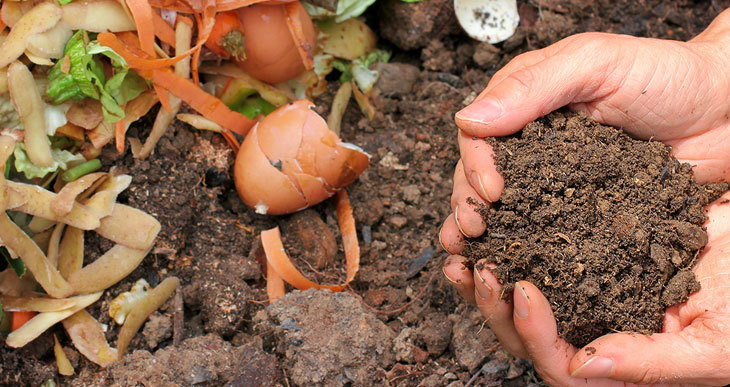
Remember that making high-quality compost is the first step in making high-quality compost tea. If you need ideas for creating better compost, consider including things like kitchen scraps, leaves, and grass clippings. You can also add materials high in carbon, such as shredded newspaper and cardboard.
Applying Compost Tea Sprays
Now for the fun part: spraying your tomato plants! Here are a few tips for successful application: Dilution: Dilute the compost tea with water to a ratio of 1:10 or 1:20 (1 part compost tea to 10 or 20 parts water). This prevents burning the leaves. Timing: Spray your tomato plants early in the morning or late in the evening to avoid direct sunlight, which can cause the leaves to burn. Coverage: Thoroughly spray all parts of the plant, including the tops and bottoms of the leaves. Pay special attention to new growth, as this is where nutrients are most readily absorbed. Frequency: Spray your tomato plants every 1-2 weeks, or as needed. If you notice signs of nutrient deficiency or disease, you can spray more frequently. Storage:Compost tea is best used fresh. If you must store it, keep it in a cool, dark place for no more than a few days. The beneficial microbes will start to die off over time.
Boosting Your Compost Tea with Herbs
Want to take your compost tea to the next level? Consider adding some beneficial herbs to the brewing process. Certain herbs are known for their antifungal, antibacterial, and nutrient-rich properties, making them excellent additions to compost tea for tomato leaf nutrition.
Here are a few herbs to consider: Chamomile: Known for its antifungal properties, chamomile can help protect your tomato plants from fungal diseases. Comfrey: A dynamic accumulator, comfrey draws nutrients from the soil and stores them in its leaves. Adding comfrey leaves to your compost tea will boost its nutrient content, especially potassium, which is essential for tomato fruit development. Yarrow: Another dynamic accumulator, yarrow is rich in minerals and can help improve plant health and vigor. Nettles: Packed with nitrogen, iron, and other essential nutrients, nettles are a fantastic addition to compost tea. Be sure to wear gloves when handling nettles! Horsetail:High in silica, horsetail can strengthen plant cell walls and make them more resistant to disease.
To add herbs to your compost tea, simply toss a handful of fresh or dried herbs into the brewing bucket along with the compost.
Can herbs really grow indoors in winter?
Absolutely! While many herbs thrive outdoors in the warmer months, plenty can be successfully grown indoors during winter. Some of the best herbs to grow indoors include basil, mint, parsley, chives, oregano, rosemary, and thyme. Providing them with enough sunlight (or a grow light), proper watering, and well-draining soil is key. You can even start new herb plants from cuttings taken from your outdoor garden before the first frost. With a little care and attention, you can enjoy fresh herbs year-round, even if you live in a cold climate. This also gives you a continuous supply for making compost tea, even when the outdoor garden is dormant.
Which herbs grow faster in pots?
Several herbs are particularly well-suited to container gardening and grow relatively quickly in pots. Mint is notorious for spreading aggressively in the garden, making it an ideal candidate for container growing. Basil, parsley, cilantro, and chives are also fast-growing herbs that do well in pots. When growing herbs in pots, choose a pot that is appropriately sized for the mature plant and use a high-quality potting mix. Regular watering and fertilizing will also help your herbs grow quickly and vigorously. Consider using a diluted compost tea as fertilizer, too!
What are some shade-loving herbs to consider?
If you have a shady garden or patio, don't despair! There are plenty of herbs that thrive in partial to full shade. Mint is a classic shade-loving herb, as are parsley, chives, and lemon balm. Other shade-tolerant herbs include sweet woodruff, wild ginger, and goldenseal. When growing shade-loving herbs, make sure they still receive some indirect sunlight or dappled shade. The soil should also be well-draining, as soggy soil can lead to root rot.
Troubleshooting Common Issues
Sometimes, things don't go exactly as planned. Here are some common issues you might encounter when using compost tea sprays for tomato leaf nutrition, and how to fix them: Leaf burn: If you notice brown or yellow spots on your tomato leaves after spraying, it could be a sign that the compost tea is too concentrated. Dilute the tea further and spray again. Foul smell: If your compost tea smells rotten or putrid, it means something went wrong during the brewing process. This is usually caused by a lack of oxygen. Discard the tea and start again, making sure to use a strong air pump and air stone. Lack of results:If you're not seeing any improvement in your tomato plants after using compost tea, it could be that your compost is not of high quality, or that your plants have other underlying issues, such as pests or diseases. Make sure to use the best compost you can find and address any other problems that may be affecting your plants.
Don’t be afraid to experiment and adjust your compost tea recipe and application methods based on your own experiences. Every garden is unique, and what works for one gardener may not work for another.
So, are you ready to unlock the power of compost tea sprays for tomato leaf nutrition? It's a simple, effective, and sustainable way to boost the health and productivity of your tomato plants, leading to a bountiful harvest of delicious, homegrown tomatoes. It’s a fantastic intersection of soil science, plant health, and sustainable gardening practices. Get brewing, get spraying, and get ready to enjoy the fruits (or rather, vegetables!) of your labor. Remember, every gardening success comes from experimentation, so don't be afraid to try new things and discover what works best for you and your plants!
Post a Comment for "Compost Tea Sprays for Tomato Leaf Nutrition"