Herbs That Thrive in Water
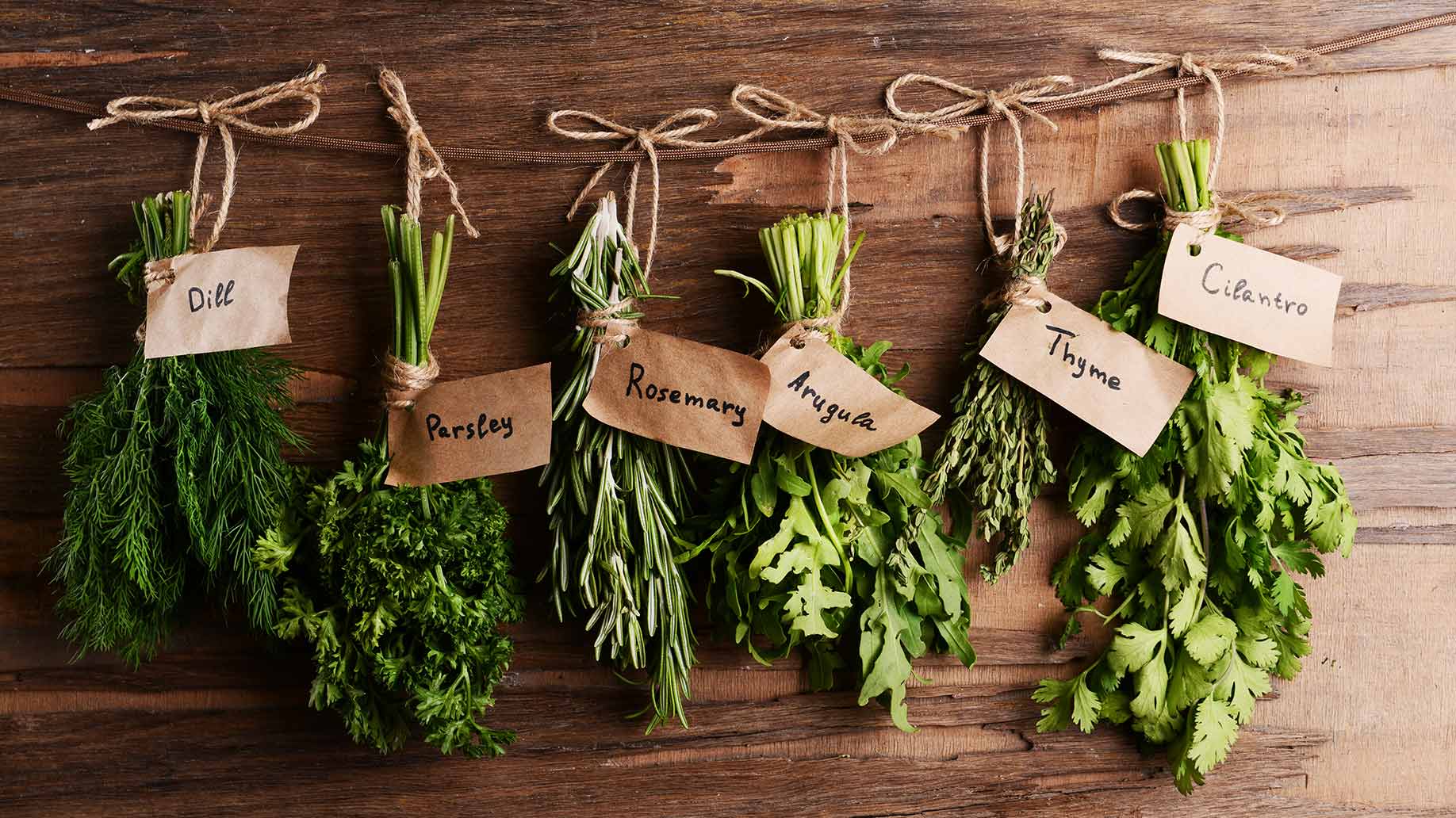
Have you ever dreamed of a garden that practically takes care of itself? A garden that hums with life and flavour, but needs less fuss and watering than your average patch? Then let's dive into the wonderfully simple world of growing herbs in water! It's a fantastic way to bring the freshness of the garden right onto your kitchen counter, and it's surprisingly easy.
Growing herbs in water isn't just a trendy gardening hack; it's a practical way to always have fresh ingredients on hand, even if you're short on space or time. Imagine snipping fresh mint for your tea, basil for your pasta, or rosemary for your roasted vegetables – all grown effortlessly in a glass of water. It’s a fantastic, low-maintenance approach to indoor gardening, perfect for apartment dwellers, busy cooks, and anyone who wants to add a touch of green to their lives. Plus, it's an excellent way to propagate new plants from cuttings! Think of it as a never-ending supply of your favourite culinary companions.
The Easiest Herbs That Thrive in Water
Not all herbs are created equal when it comes to water propagation. Some are much happier than others spending their days (and nights!) in a glass of water. Here are some of the easiest and most rewarding herbs to grow hydroponically: Mint: A vigorous grower, mint readily roots in water. It's almost impossible to kill, making it perfect for beginners. Keep in mind that it can be quite invasive when planted in soil, so containing it in water is a great way to control its spread. Basil: Whether it's sweet basil, Thai basil, or lemon basil, this herb loves to put down roots in water. Just make sure to keep the leaves above the waterline to prevent rotting. Change the water regularly for best results. Rosemary: While it may take a bit longer than mint or basil, rosemary can definitely be propagated in water. Choose young, flexible stems and be patient. This sun-loving herb will reward you with its aromatic foliage. Oregano: Another Mediterranean favourite, oregano is incredibly easy to root in water. Snip a few stems, place them in a glass, and watch the roots emerge. Sage: Similar to rosemary, sage benefits from a bit of patience. Choose healthy stems and give them plenty of light. Lemon Balm: This citrusy herb is a member of the mint family, so it's no surprise that it thrives in water. It's incredibly fragrant and makes a wonderful addition to teas and desserts. Stevia: If you're looking for a natural sweetener, stevia is a great choice. It roots easily in water and will provide you with a continuous supply of sweet leaves. Thyme: While it may take a little longer than some other herbs, thyme can be successfully rooted in water. Choose younger, more flexible stems.
Getting Started: Your Hydroponic Herb Garden Guide
Ready to ditch the dirt and embrace the simplicity of water-grown herbs? Here's a step-by-step guide to get you started:
1.Gather Your Supplies: You'll need: Herb cuttings from healthy, established plants (about 4-6 inches long).
Clean glass jars or vases.
Filtered or distilled water (tap water can contain chemicals that hinder root growth).
A sharp, clean knife or scissors.
(Optional) Rooting hormone (though many of these herbs root easily without it).
2.Prepare the Cuttings: Remove the leaves from the bottom inch or two of each stem. This prevents the leaves from rotting in the water. If using rooting hormone, dip the cut end of the stem into the powder or liquid.
3.Place in Water: Fill your jars with water and place the cuttings inside, ensuring that the cut ends are submerged but the leaves are above the waterline.
4.Find a Sunny Spot: Place the jars in a bright, sunny location. A windowsill is ideal, but make sure the herbs aren't exposed to direct, scorching sunlight, which can burn the leaves.
5.Change the Water Regularly: Refresh the water every 1-2 days to prevent algae growth and keep the water oxygenated.
6.Wait for Roots: Be patient! It can take anywhere from a few days to a few weeks for roots to develop. Mint and basil tend to root the fastest, while rosemary and sage may take longer.
7.Transplant (Optional): Once the roots are an inch or two long, you can either continue growing the herbs in water or transplant them into pots with soil. If transplanting, use a well-draining potting mix.
Troubleshooting Tips for Thriving Herbs
Even with the easiest herbs, you might encounter a few minor challenges. Here's how to troubleshoot common issues: Yellowing Leaves: This could indicate a nutrient deficiency or too much direct sunlight. Try moving the herbs to a slightly shadier location and consider adding a diluted liquid fertilizer to the water every few weeks. Rotting Stems: This is usually caused by bacteria or fungi. Make sure to remove any leaves that are submerged in water and change the water frequently. You can also add a drop of hydrogen peroxide to the water to help prevent rot. Slow Root Growth: Some herbs, like rosemary and sage, simply take longer to root. Ensure they're getting enough light and change the water regularly. You can also try using a rooting hormone to speed up the process. Algae Growth: Algae can be unsightly and can deplete the water of oxygen. To prevent algae growth, use opaque jars or vases, or wrap clear jars in paper. Change the water frequently and keep the herbs out of direct sunlight.
Can herbs really grow indoors in winter?
Absolutely! In fact, growing herbs in water is an excellent way to enjoy fresh herbs year-round, especially during the colder months when outdoor gardening is limited. Just ensure your indoor setup provides enough light, either through a sunny window or with the help of a grow light. Remember to rotate the containers regularly to ensure even light exposure for all sides of the plant. Winter air can be dry, so keeping the humidity up around your water garden is helpful. A small humidifier nearby can make a big difference.
Which herbs grow faster in pots?
While this article focuses on water propagation, many of these herbs can also be grown successfully in pots. Mint, basil, oregano, and thyme are particularly well-suited to container gardening. The advantage of pots is that you can use a good quality potting mix, which provides essential nutrients and support for the plant's roots. Plus, it gives the herbs a more stable base as they grow larger. Consider that some herbs can be invasive, so growing them in pots will limit their spread.
How often should I change the water for my herbs?
As a general rule, aim to change the water every 1-2 days, but it depends on factors like the size of the container, the amount of sunlight it receives, and whether algae is present. If the water looks cloudy or you notice any slime or discoloration, it's definitely time for a change. Using filtered or distilled water can also help to keep the water cleaner for longer. Keep an eye on the water level too, topping it up as needed to ensure the roots remain submerged.
Growing herbs in water is a rewarding and incredibly easy way to bring the beauty and flavour of the garden indoors. With a little bit of patience and care, you can enjoy fresh, homegrown herbs year-round. Don't be afraid to experiment with different varieties and find what works best for you. Happy growing!
Post a Comment for "Herbs That Thrive in Water"