Best Homemade Sprays for Summer Tomato Care
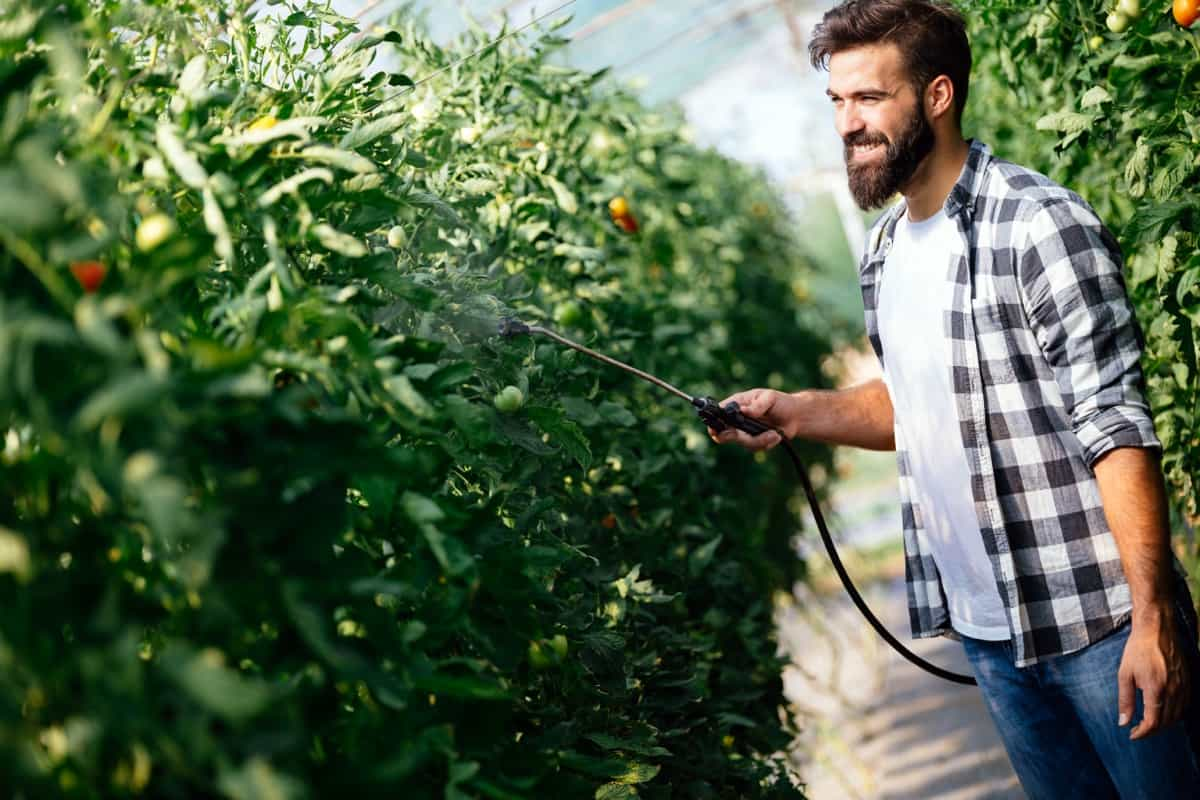
Is there anything quite like the taste of a sun-ripened tomato, fresh from your own garden? The vibrant color, the juicy sweetness… it's a summer pleasure worth protecting. And while tomatoes are relatively easy to grow, they can be susceptible to pests and diseases, especially during the hot, humid days of summer.
That’s where knowing how to make your own, natural sprays comes in! Not only is it a cost-effective way to care for your precious tomato plants, but it also ensures you're using ingredients you trust, avoiding harsh chemicals that can harm beneficial insects or leave unwanted residues. Mastering these best homemade sprays for summer tomato care will mean a bountiful harvest of delicious, healthy tomatoes, perfect for everything from salads and sandwiches to sauces and salsas. Plus, you'll gain a deeper connection with your garden and the natural processes that help it thrive. Let's dive into some easy-to-make recipes that will keep your tomato plants happy and productive all season long.
Natural Solutions for Thriving Tomatoes
Tomato plants, like all living things, occasionally need a little help to fend off pests and diseases. Fortunately, many effective solutions can be found right in your kitchen or garden! These homemade sprays are gentle on the environment, safe for your family, and surprisingly powerful. Remember to always test any spray on a small area of the plant first to ensure there are no adverse reactions before applying it to the entire plant. Also, it's best to apply sprays in the early morning or late evening, when the sun isn't as intense, to avoid burning the foliage. Consider these best herbs to grow alongside your tomatoes for natural pest repellant, too. Basil, marigolds, and nasturtiums can all help deter unwanted visitors.
Neem Oil Spray: The All-Purpose Protector
Neem oil is a natural insecticide, fungicide, and miticide derived from the neem tree. It's effective against a wide range of pests, including aphids, whiteflies, spider mites, and tomato hornworms, as well as fungal diseases like early blight and septoria leaf spot.
Recipe
1 tablespoon of pure neem oil
1/2 teaspoon of liquid dish soap (as an emulsifier)
1 quart of warm water
Instructions
- Combine the neem oil and dish soap in a small container and mix well.
- Add the mixture to the warm water and stir thoroughly.
- Pour the solution into a spray bottle.
- Spray all parts of the plant, including the undersides of the leaves.
- Reapply every 7-14 days, or after heavy rain.
Neem oil works by disrupting the feeding and growth cycles of insects, eventually leading to their demise. For fungal diseases, it prevents the spread of spores and helps to protect healthy foliage.
Garlic Spray: The Pest Deterrent
Garlic is a natural pest repellent thanks to its strong scent and sulfur compounds. It's particularly effective against aphids, whiteflies, and spider mites. This is a great option if you're looking for effective container gardening tips to keep your tomatoes healthy!
Recipe
4-5 cloves of garlic, minced
2 cups of water
1 teaspoon of liquid dish soap (optional, for better adhesion)
Instructions
- Mince the garlic cloves and let them sit for at least 30 minutes to activate the allicin (the active compound in garlic).
- Boil the water, then pour it over the minced garlic.
- Let the mixture steep for 24 hours.
- Strain the liquid through a cheesecloth or fine-mesh sieve.
- Add the dish soap (if using) and mix well.
- Dilute the concentrate by mixing 1 part garlic solution with 5 parts water.
- Pour the diluted solution into a spray bottle.
- Spray all parts of the plant, including the undersides of the leaves.
- Reapply every 5-7 days, or after rain.
The strong scent of garlic repels pests, discouraging them from feeding on your tomato plants.
Baking Soda Spray: The Fungal Fighter
Baking soda (sodium bicarbonate) can help prevent and control fungal diseases like early blight, late blight, and powdery mildew. It works by altering the p H level on the leaf surface, making it less hospitable for fungal spores to germinate.
Recipe
1 tablespoon of baking soda
1/2 teaspoon of liquid dish soap
1 gallon of water
Instructions
- Combine the baking soda and dish soap in a small container and mix well.
- Add the mixture to the water and stir thoroughly.
- Pour the solution into a spray bottle.
- Spray all parts of the plant, including the undersides of the leaves.
- Reapply every 7-10 days, or after rain.
It's important to note that baking soda can sometimes cause leaf burn, especially in hot, dry conditions. Test the spray on a small area of the plant first and avoid over-application.
Epsom Salt Spray: The Nutrient Booster
While not strictly a pest or disease control spray, Epsom salt (magnesium sulfate) can help improve the overall health and vigor of your tomato plants. Magnesium is essential for chlorophyll production, which is vital for photosynthesis. A magnesium deficiency can lead to yellowing leaves and reduced fruit production.
Recipe
1 tablespoon of Epsom salt
1 gallon of water
Instructions
- Dissolve the Epsom salt in the water.
- Pour the solution into a spray bottle.
- Spray the foliage of the plant, ensuring thorough coverage.
- Apply every 2-4 weeks during the growing season.
Epsom salt can also be added directly to the soil around the base of the plant. This can be particularly beneficial if your soil is lacking in magnesium.
Maximizing Your Tomato Harvest
Beyond homemade sprays, several other factors contribute to a successful tomato harvest. Proper watering, fertilization, and pruning are essential for healthy, productive plants.
Watering: Tomato plants need consistent watering, especially during hot, dry weather. Water deeply at the base of the plant, avoiding wetting the foliage, which can promote fungal diseases. Aim for about 1-2 inches of water per week. Fertilization: Tomatoes are heavy feeders and benefit from regular fertilization. Use a balanced fertilizer formulated for tomatoes, following the instructions on the label. You can also supplement with compost tea or other organic fertilizers. Pruning:Pruning suckers (the small shoots that grow between the main stem and branches) can help improve airflow, reduce disease risk, and encourage fruit production. Remove suckers regularly, especially those near the base of the plant.
Consider companion planting to further boost your success. Basil not only repels pests, but is said to improve the flavor of tomatoes. Marigolds deter nematodes, and nasturtiums attract aphids away from your tomatoes, acting as a trap crop. Even better, these best herbs to grow can be easily cultivated indoors during the cooler months. Exploring indoor herb ideas can extend your growing season and provide fresh herbs year-round.
Can I use these sprays on other plants in my garden?
While these sprays are generally safe for most plants, it's always a good idea to test them on a small area first, especially if you're unsure about the plant's sensitivity. Some plants may be more susceptible to leaf burn from baking soda or garlic spray.
What are some signs that my tomato plant has a fungal disease?
Common signs of fungal disease include yellowing or browning leaves, spots or lesions on the foliage, and white or gray powdery growth. Early detection and treatment are crucial for preventing the disease from spreading.
How often should I rotate these sprays?
Rotating your sprays can help prevent pests and diseases from developing resistance to a particular treatment. Try alternating between neem oil, garlic spray, and baking soda spray every few weeks. This will also ensure that your plants are receiving a variety of beneficial compounds.
Growing your own tomatoes and protecting them with these best homemade sprays for summer tomato care is a rewarding experience that connects you with nature and provides you with delicious, healthy food. Remember that gardening is a journey of learning and experimentation. Don’t be afraid to try new things, observe your plants closely, and adapt your approach as needed. With a little care and attention, you can enjoy a bountiful tomato harvest all summer long. Experimenting with herbs is a fantastic way to naturally enhance your garden's health and productivity, so keep exploring and growing!
Post a Comment for "Best Homemade Sprays for Summer Tomato Care"