Homemade Sprays for Greenhouse Tomato Plants
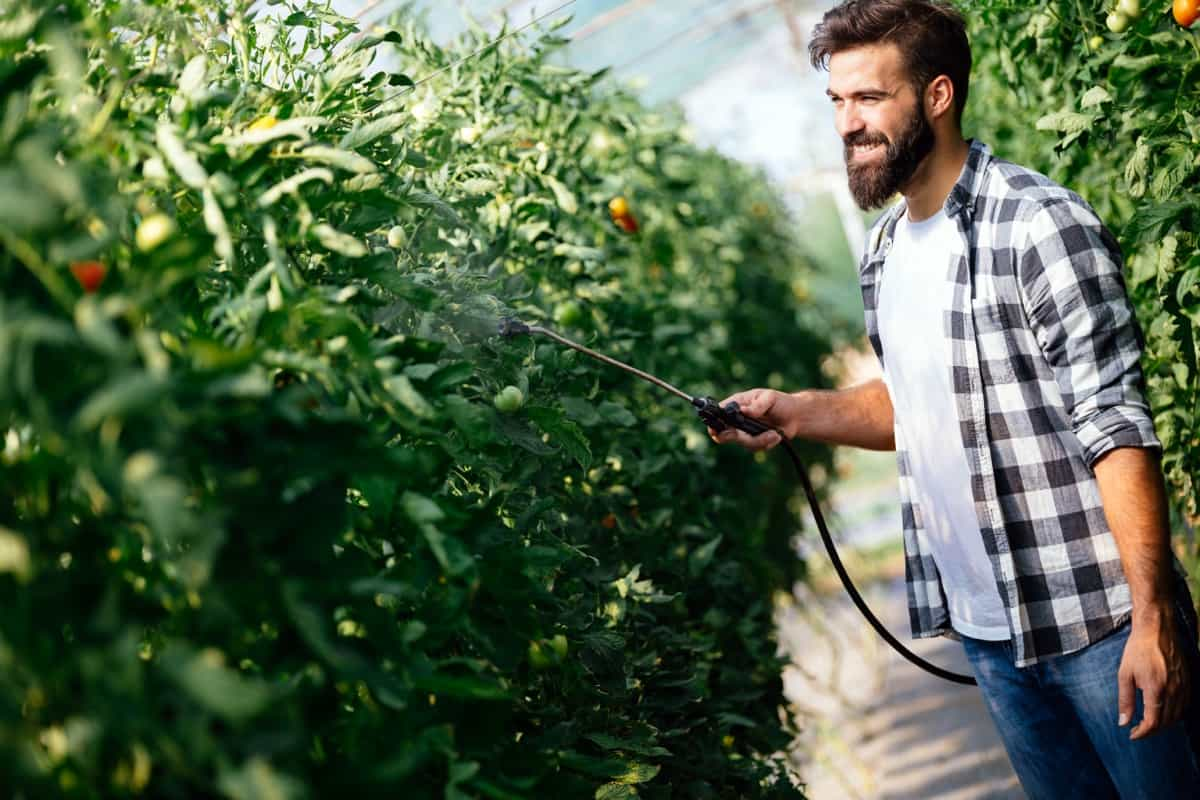
Is your greenhouse tomato crop looking a little lackluster? Are you battling pests and diseases and dreaming of plump, juicy, red tomatoes bursting with flavor? You’re not alone! Many greenhouse gardeners face challenges protecting their precious tomato plants. But before you reach for harsh chemicals, consider the power of homemade sprays. These natural solutions can be incredibly effective, often gentler on your plants and the environment, and surprisingly easy to make.
Using homemade sprays for your greenhouse tomato plants is a fantastic way to promote a healthy harvest. Not only can these sprays help control common pests like aphids, whiteflies, and spider mites, but they can also combat fungal diseases like early blight and powdery mildew, all while keeping your garden ecosystem in balance. Plus, knowing exactly what's going onto your tomatoes gives you peace of mind, especially if you're growing organic. You'll feel great serving up delicious, home-grown tomatoes knowing they've been nurtured with natural care!
Getting Started with Homemade Sprays
The beauty of homemade sprays lies in their simplicity. Most recipes require only a few readily available ingredients you likely already have in your pantry or garden. Remember to always test your spray on a small area of the plant first to ensure it doesn't cause any adverse reactions. It’s also best to apply sprays in the early morning or late evening to avoid leaf burn from the sun.
Basic Equipment You’ll Need: Spray Bottle: A clean, dedicated spray bottle is essential. A small hand sprayer is perfect for smaller greenhouses, while a larger pump sprayer might be more efficient for bigger operations. Measuring Cups and Spoons: Accuracy is important for effective recipes. Mixing Bowl or Container: For combining your ingredients. Cheesecloth or Fine-Mesh Strainer: For straining out any solids that could clog your sprayer. Gloves:To protect your hands from potential irritants.
Effective Homemade Spray Recipes
Here are a few tried-and-true recipes for homemade sprays to keep your greenhouse tomato plants thriving:1. Garlic Spray: Garlic is a natural insect repellent, effective against aphids, whiteflies, and spider mites.
Ingredients:
4-5 cloves of garlic, minced
2 cups of water
1 teaspoon of liquid dish soap (optional, but helps the spray adhere to the leaves) Instructions:
1. Mince the garlic and let it sit for 24 hours to activate its beneficial compounds.
2. Boil the water, remove from heat, and add the minced garlic. Let it steep for several hours or overnight.
3. Strain the mixture through cheesecloth or a fine-mesh strainer.
4. Add the dish soap (if using) and mix well.
5. Pour the mixture into your spray bottle and apply liberally to the affected plants, paying particular attention to the undersides of the leaves.
2. Baking Soda Spray: Baking soda helps to prevent and control fungal diseases like powdery mildew and early blight.
Ingredients:
1 tablespoon baking soda
1 gallon of water
1 teaspoon liquid dish soap (optional) Instructions:
1. Dissolve the baking soda in the water.
2. Add the dish soap (if using) and mix well.
3. Pour the mixture into your spray bottle and apply to the tomato plants, focusing on areas with fungal growth or as a preventative measure.
3. Neem Oil Spray: Neem oil is a broad-spectrum insecticide and fungicide that’s effective against a wide range of pests and diseases. It’s also relatively safe for beneficial insects when used correctly.
Ingredients:
1 tablespoon neem oil
1/2 teaspoon liquid dish soap (emulsifier)
1 quart of warm water Instructions:
1. Combine the neem oil and dish soap in a small container and mix well to create an emulsion.
2. Add the emulsion to the warm water and stir thoroughly.
3. Pour the mixture into your spray bottle and apply to all parts of the plant, including the undersides of leaves. Reapply every 7-14 days, or more frequently if needed. Always buy cold-pressed neem oil, the purest and most effective type.
4. Milk Spray: Believe it or not, milk can be a surprisingly effective fungicide, especially against powdery mildew.
Ingredients:
1 part milk (cow's milk or goat's milk works well)
2 parts water Instructions:
1. Mix the milk and water together.
2. Pour the mixture into your spray bottle and apply liberally to the affected plants, ensuring thorough coverage.
3. Reapply weekly or after rain.
5. Companion Planting Spray: Create a potent pest repellent by extracting the essence of your companion plants. Marigolds and basil are particularly useful.
Ingredients:
1 cup of fresh marigold or basil leaves
2 cups of boiling water Instructions:
1. Chop the marigold or basil leaves.
2. Pour the boiling water over the leaves and let steep for at least 4 hours, or preferably overnight.
3. Strain the mixture through cheesecloth.
4. Pour the liquid into your spray bottle and apply to your tomato plants. This spray works as a repellent, deterring pests from even landing on your plants.
Important Considerations for Homemade Sprays
Timing is Key: Apply sprays in the early morning or late evening to avoid leaf burn, as mentioned earlier. Also, avoid spraying during periods of heavy rain, as the spray will be washed away. Thorough Coverage: When spraying, be sure to cover all parts of the plant, including the undersides of the leaves, where many pests like to hide. Frequency: Reapply sprays regularly, especially after rain or if you notice a resurgence of pests or diseases. Typically, weekly applications are a good starting point, but adjust as needed based on your observations. Rotation: To prevent pests and diseases from developing resistance, rotate your sprays. Don’t rely on just one recipe; alternate between different homemade solutions. Prevention is Better Than Cure:Use these sprays preventatively, before you notice any problems. Regular preventative spraying can help keep pests and diseases at bay.
Can I Use Essential Oils in Homemade Sprays?
Yes, essential oils can be a powerful addition to homemade sprays for greenhouse tomato plants! Certain essential oils, like rosemary, peppermint, and clove, possess insecticidal and antifungal properties. However, they are potent, so use them sparingly. Add just a few drops (3-5) of essential oil to your homemade spray recipes. Always dilute the essential oil with a carrier oil like neem oil or vegetable oil before adding it to water, as essential oils are not water-soluble. Be cautious and test on a small area first, as some plants can be sensitive to essential oils.
What About Shade-Loving Herbs? Can They Help?
While shade-loving herbs might not directly contribute to sprays, strategically placing them around your greenhouse can enhance the overall health and resilience of your tomato plants. Herbs like mint, chervil, and parsley can attract beneficial insects that prey on tomato pests. Also, a healthy ecosystem in the greenhouse, fostered by a diversity of plant life including shade-loving herbs, can make your tomato plants less susceptible to diseases. Think of it as creating a supportive community for your tomatoes!
How Do I Know if a Homemade Spray is Working?
The best way to determine if your homemade spray is working is by regularly inspecting your tomato plants. Look for signs of improvement such as a decrease in pest populations, a reduction in fungal growth, and overall healthier-looking foliage. Keep a garden journal to track your spray applications, the ingredients you used, and your observations. This will help you identify which sprays are most effective for your specific needs and conditions. If you don't see improvement after a couple of applications, consider adjusting your recipe or trying a different spray altogether.
Growing tomatoes in a greenhouse can be incredibly rewarding, providing you with a delicious harvest of fresh, homegrown goodness. By incorporating homemade sprays into your gardening routine, you can protect your plants from pests and diseases in a natural and sustainable way. So, grab your spray bottle, get creative with your recipes, and enjoy the process of nurturing your tomato plants to their full potential. Your taste buds will thank you!
Post a Comment for "Homemade Sprays for Greenhouse Tomato Plants"