Tips for Growing Herbs in a Pot on the Patio
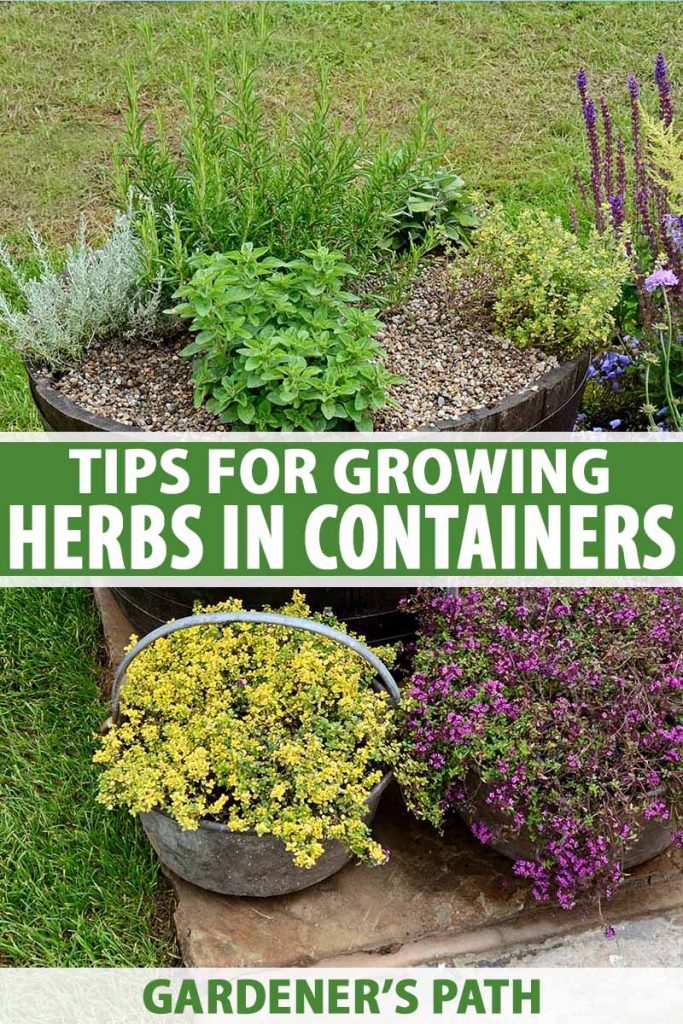
Imagine stepping onto your patio, not just to relax, but to snip fresh herbs for tonight's dinner. The aroma of basil, mint, and rosemary mingling in the air – it’s a simple pleasure accessible to everyone, even with limited space. Growing herbs in pots on your patio is easier than you might think!
Why dedicate patio space to a potted herb garden? Beyond the sheer convenience of having fresh ingredients at your fingertips, growing your own herbs offers a myriad of benefits. You'll have access to the freshest, most flavorful ingredients for your culinary creations, enhancing everything from simple salads to gourmet meals. Plus, you control exactly what goes into your herbs – no pesticides or harmful chemicals. Beyond the culinary aspects, a potted herb garden adds beauty and fragrance to your patio, creating a relaxing and inviting outdoor space. Many herbs also have medicinal properties, allowing you to explore natural remedies right from your own backyard. Container gardening, especially with herbs, is also incredibly rewarding and surprisingly easy. So, let’s get started with some tips for growing herbs in a pot on the patio.
Choosing the Right Pots and Soil
Selecting the right pot and soil is fundamental to successful herb gardening. Don't underestimate this step – it can make or break your efforts! Think of your pots as mini-ecosystems for your herbs.
First, consider the size of the pot. Herbs like mint and oregano tend to spread, so they'll appreciate a larger container (at least 12 inches in diameter). Smaller herbs, such as thyme or chives, can thrive in smaller pots (around 6-8 inches). Ensure that your chosen pots have adequate drainage holes. Herbs don't like sitting in soggy soil, which can lead to root rot.
Terracotta pots are a classic choice, providing good aeration, but they can dry out quickly, especially in hot weather. Plastic pots are more moisture-retentive, which can be beneficial if you tend to forget to water, but be mindful of overwatering. Glazed ceramic pots offer a balance of both – they're attractive, retain moisture well, and come in various sizes and colors.
The type of soil you use is equally important. Garden soil is often too heavy and compacted for container gardening. Instead, opt for a well-draining potting mix specifically designed for containers. These mixes typically contain a blend of peat moss, perlite, and vermiculite, which provide excellent drainage and aeration. You can also amend your potting mix with compost to add nutrients and improve water retention. Adding a slow-release fertilizer at planting time will give your herbs a boost.
What is the best size pot for starting herbs?
For starting individual herb plants, a 4-6 inch pot is a good size. This gives the roots enough room to establish themselves without being overwhelmed. Once the plant outgrows the starter pot (you'll notice roots circling the bottom), you can transplant it to a larger container.
Sunlight and Location Tips
Most herbs thrive in at least 6 hours of sunlight per day. Before you start planting, observe your patio throughout the day to determine where the sunniest spots are. South-facing patios generally receive the most sunlight, followed by east and west-facing patios.
If your patio receives full sun all day, you may need to provide some afternoon shade for heat-sensitive herbs like mint or parsley, especially during the hottest months. A shade cloth or strategically placed umbrella can do the trick. On the other hand, if your patio is mostly shady, you can still grow certain herbs like mint, parsley, and chives, although they may not be as productive as they would be in full sun.
Consider the microclimate of your patio. Is it sheltered from wind? Exposed to rain? These factors can influence your watering schedule and the types of herbs that will thrive. If your patio is windy, choose sturdy pots that won't tip over, and consider planting herbs that can tolerate wind, such as rosemary or thyme.
Think about convenience too. Place your herb pots near your kitchen door for easy access when cooking. This will encourage you to use your herbs more often.
Choosing the Best Herbs to Grow in Pots
Selecting the right herbs for your patio garden is crucial for success. Consider your culinary preferences, the amount of sunlight your patio receives, and the mature size of the herbs. Here are some of the best herbs to grow in pots: Basil: A culinary staple that loves sunshine and warmth. Pinch off flower buds to encourage leaf production. Mint: Vigorous and easy to grow, but be warned – it can be invasive. Always grow mint in its own pot to prevent it from taking over your garden. Rosemary: A fragrant herb that thrives in full sun and well-drained soil. It's also drought-tolerant. Thyme: A low-growing herb that prefers full sun and well-drained soil. It's perfect for edging or rock gardens. Chives: A member of the onion family that adds a mild, oniony flavor to dishes. It's easy to grow and tolerates partial shade. Parsley: A versatile herb that comes in curly and flat-leaf varieties. It prefers partial shade and moist soil. Oregano:A flavorful herb that's essential for Italian cooking. It thrives in full sun and well-drained soil.
When choosing herbs, consider buying starter plants from a local nursery. These plants are already established and will give you a head start. You can also grow herbs from seeds, but it takes longer, and you'll need to provide the right conditions for germination.
Which herbs grow well together in the same pot?
Some herbs are great companions, while others should be kept separate. Herbs with similar growing requirements often thrive together. For example, rosemary, thyme, and sage all prefer full sun and well-drained soil, making them good companions. Avoid planting mint with other herbs, as it can be invasive and crowd them out. Basil and parsley also tend to do well together, as they both prefer moist soil and partial shade.
Watering and Fertilizing Your Potted Herbs
Proper watering and fertilizing are essential for healthy herb growth. Overwatering and underwatering are common mistakes that can lead to problems.
Check the soil moisture regularly by sticking your finger into the soil. If the top inch feels dry, it's time to water. Water thoroughly until water drains out of the drainage holes. Avoid watering the leaves, as this can encourage fungal diseases. Water in the morning to allow the leaves to dry out during the day.
The frequency of watering will depend on the weather, the type of pot you're using, and the type of herb. During hot, dry weather, you may need to water daily. Herbs in terracotta pots will dry out faster than herbs in plastic pots.
Fertilizing your herbs will provide them with the nutrients they need to grow. Use a balanced, water-soluble fertilizer diluted to half strength. Fertilize every 2-4 weeks during the growing season. Avoid over-fertilizing, as this can lead to leggy growth and a loss of flavor. You can also use organic fertilizers like compost tea or fish emulsion.
Pest and Disease Control
Pests and diseases can sometimes affect potted herbs, but with a little vigilance, you can keep your herbs healthy.
Inspect your plants regularly for signs of pests, such as aphids, spider mites, or whiteflies. If you find pests, try spraying them off with a strong stream of water. You can also use insecticidal soap or neem oil.
Fungal diseases can be a problem in humid conditions. To prevent fungal diseases, ensure good air circulation around your plants, and avoid watering the leaves. If you notice signs of fungal disease, such as powdery mildew or black spot, remove the affected leaves and spray with a fungicide.
Growing herbs organically is the best way to avoid pest and disease problems. Use healthy soil, provide adequate sunlight and water, and avoid using synthetic pesticides or fertilizers.
Can herbs really grow indoors in winter?
Yes! Many herbs can thrive indoors with the right conditions. Place them in a sunny window (south-facing is ideal) or use a grow light to provide adequate light. Maintain consistent moisture and avoid drafts. Herbs like chives, mint, parsley, and oregano are particularly well-suited to indoor growing.
Growing herbs in pots on your patio is a rewarding experience that brings beauty, fragrance, and fresh flavors to your life. With a little planning and care, you can create a thriving herb garden that enhances your outdoor space and your culinary creations. Don't be afraid to experiment with different herbs and techniques to find what works best for you. Every successful gardener started somewhere, and with a little patience and observation, you'll be enjoying fresh, homegrown herbs in no time!
Post a Comment for "Tips for Growing Herbs in a Pot on the Patio"