Growing Herbs in Containers for Apartments and Condos
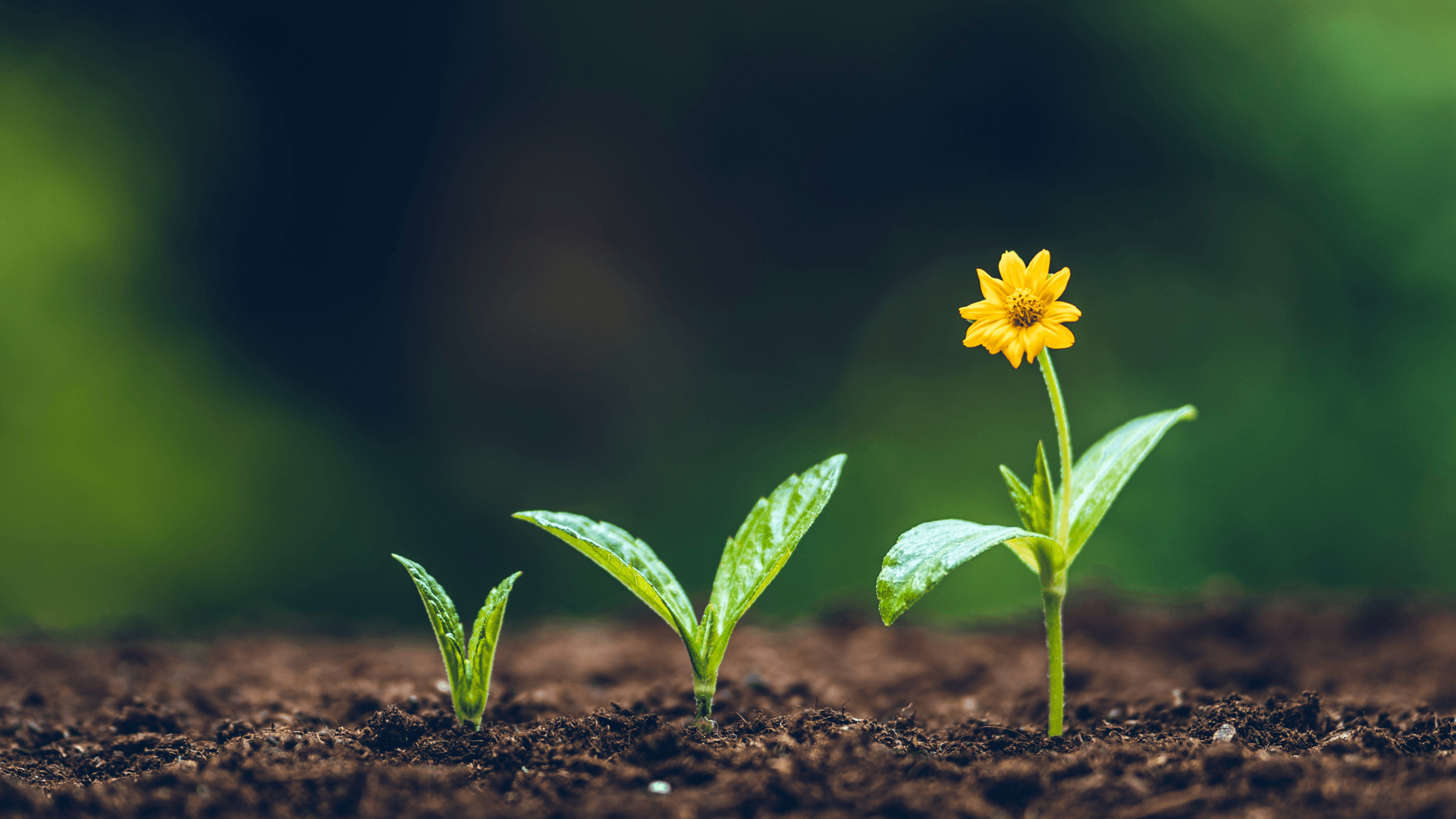
Imagine stepping into your apartment and being greeted by the fresh, invigorating aroma of basil, mint, and rosemary. No sprawling garden required! Even in the smallest condo, you can cultivate a thriving herb garden that brings a touch of nature indoors. It's easier than you might think, and incredibly rewarding.
Growing herbs in containers for apartments and condos offers a fantastic way to enhance your cooking, boost your well-being, and add a splash of green to your living space. Imagine snipping fresh herbs for your favorite recipes, brewing a soothing herbal tea with ingredients grown right on your windowsill, or simply enjoying the calming presence of these fragrant plants. Beyond the convenience, you'll have control over the growing environment, ensuring organic and pesticide-free herbs are always at your fingertips. Plus, it's a genuinely satisfying hobby!
Choosing the Right Herbs for Your Indoor Space
Not all herbs thrive equally well indoors. When planning your container garden, consider the amount of sunlight your apartment receives and the space available. The best herbs to grow indoors are generally those that don't require intense, all-day sun.
Here are some excellent choices for growing herbs in containers for apartments and condos: Mint: A vigorous grower, mint is perfect for containers. Keep it contained, though, as it can be invasive. Choose from peppermint, spearmint, or chocolate mint for a variety of flavors. Basil: A culinary staple, basil loves warmth and sunlight. Place it near a sunny window and water regularly. Pinch off flower buds to encourage leaf production. Chives: These onion-flavored herbs are easy to grow and add a delicate flavor to salads and soups. They tolerate partial shade. Parsley: Both curly and flat-leaf parsley thrive in containers. They prefer moist soil and partial shade. Rosemary: This fragrant herb needs plenty of sunlight and well-drained soil. Water sparingly, allowing the soil to dry out slightly between waterings. Thyme: Another sun-loving herb, thyme is relatively drought-tolerant. It's perfect for adding flavor to savory dishes. Oregano:Similar to thyme, oregano prefers sunny conditions and well-drained soil.
Consider these factors when selecting your herbs
Sunlight: South-facing windows generally offer the most sunlight. East- or west-facing windows are also suitable for many herbs. North-facing windows are best for shade-loving herbs. Space: Think about the mature size of the herb. Some herbs, like rosemary, can grow quite large, while others, like thyme, stay relatively compact. Personal Preference:Choose herbs that you enjoy using in your cooking or teas. There's no point in growing something you won't use!
Setting Up Your Container Herb Garden
Once you've selected your herbs, it's time to set up your container garden. Container gardening tips are plentiful, but here’s a distilled version to get you started.
1.Choose the right containers: Select pots that are at least 6 inches in diameter, with drainage holes. Terra cotta pots are attractive and allow the soil to breathe, but they dry out faster than plastic pots.
2.Use high-quality potting mix: Avoid using garden soil, which can become compacted in containers. Opt for a well-draining potting mix specifically designed for containers.
3.Provide adequate drainage: Place a layer of gravel or broken pottery at the bottom of the pot to improve drainage.
4.Plant your herbs: Gently remove the herbs from their nursery pots and plant them in your containers, leaving enough space between plants for air circulation.
5.Water thoroughly: Water the herbs until the water drains out of the bottom of the pot.
6.Place in a sunny location: Position your containers in a location that receives at least 6 hours of sunlight per day, if possible.
7.Fertilize regularly: Feed your herbs with a balanced liquid fertilizer every 2-4 weeks during the growing season.
Can herbs really grow indoors in winter?
Yes, absolutely! While some herbs might slow down their growth during the winter months, you can still successfully grow herbs indoors. The key is to provide them with enough light. A grow light can supplement natural light during shorter days. Also, avoid placing your herbs near drafty windows or radiators, as fluctuating temperatures can stress them. Ensure proper watering and fertilization, adjusting as needed based on the plant's activity. Many indoor herb ideas are designed to help them thrive even during the colder seasons.
Which herbs grow faster in pots?
Some herbs are naturally vigorous growers and will quickly fill out a container. Mint, as mentioned earlier, is a prime example. Basil also tends to grow relatively quickly, especially with regular watering and fertilization. Chives and parsley are also known for their rapid growth in pots. However, growth speed can also depend on environmental factors like light, temperature, and the quality of the potting mix.
Caring for Your Indoor Herb Garden
Consistent care is essential for a thriving container herb garden. Here's what you need to know: Watering: Water your herbs when the top inch of soil feels dry to the touch. Avoid overwatering, which can lead to root rot. Fertilizing: As mentioned earlier, fertilize regularly during the growing season. Use a balanced liquid fertilizer or a slow-release granular fertilizer. Pruning: Prune your herbs regularly to encourage bushier growth and prevent them from becoming leggy. Pinch off the tips of stems to promote branching. Pest Control: Inspect your herbs regularly for pests, such as aphids, spider mites, or whiteflies. Treat infestations with insecticidal soap or neem oil. Repotting:As your herbs grow, they may need to be repotted into larger containers. Repotting is typically necessary every 1-2 years.
How often should I rotate my herb containers?
Rotating your herb containers regularly, about once a week, ensures that all sides of the plant receive equal exposure to sunlight. This prevents the plant from leaning towards the light source and promotes even growth. It's a simple yet effective container gardening tip that makes a big difference.
What are some shade-loving herbs for apartments with less sunlight?
If your apartment doesn't get a lot of direct sunlight, don't worry! There are several shade-loving herbs that will thrive in lower light conditions. Mint is a great choice, as it tolerates partial shade. Parsley also does well in shadier spots. Chives can also handle less direct sunlight. While these herbs might not grow as quickly or vigorously as they would in full sun, they will still provide you with fresh, flavorful foliage.
Harvesting and Using Your Herbs
One of the greatest joys of growing your own herbs is harvesting and using them in your cooking and other projects.
Harvesting: Harvest herbs by snipping off stems or leaves as needed. For leafy herbs like basil and mint, pinch off the top leaves to encourage bushier growth. For woody herbs like rosemary and thyme, cut stems back to just above a leaf node. Using fresh herbs: Fresh herbs add a burst of flavor to countless dishes. Use them in salads, soups, sauces, marinades, and more. Add them towards the end of cooking to preserve their flavor. Drying herbs: To preserve your herbs for later use, you can dry them. Hang small bunches of herbs upside down in a cool, dry place. Alternatively, you can dry them in a dehydrator or in the oven on low heat. Other uses: Beyond culinary uses, herbs can also be used for medicinal purposes, in aromatherapy, or to create natural dyes. Research the properties of each herb to discover its full potential.
Growing herbs in containers for apartments and condos is a truly rewarding experience that brings the beauty and benefits of nature right into your home. Don't be afraid to experiment with different herbs, containers, and growing techniques. With a little care and attention, you can create a thriving indoor herb garden that enhances your cooking, your well-being, and your living space. So, grab a few pots, some potting mix, and your favorite herbs, and get growing! The journey of cultivating your own little green oasis is just beginning.
Post a Comment for "Growing Herbs in Containers for Apartments and Condos"