What Works Better: Milk Spray or Baking Soda for Tomatoes?
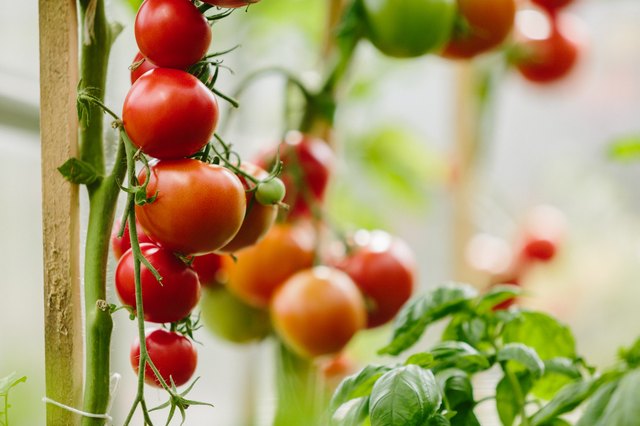
Have your tomato plants been looking a little sad lately? Spots on the leaves, stunted growth, or just an overall unhealthy appearance can be disheartening for any gardener. We all want those juicy, red, homegrown tomatoes for our summer salads and sauces. But before you reach for harsh chemicals, let's explore two common and more natural remedies that many gardeners swear by: milk spray and baking soda spray. The question is, when it comes to rescuing your precious tomato crop, what works better: milk spray or baking soda for tomatoes?
Understanding the natural solutions available to address tomato plant issues is essential for any gardener aiming for a sustainable and healthy harvest. Choosing between milk spray and baking soda spray is more than just a matter of preference; it’s about understanding the specific problems your plants face and choosing the most effective, environmentally friendly solution. After all, the best herbs to grow, the plumpest vegetables, and the most vibrant flowers come from gardens that are carefully nurtured with the right kind of care.
Understanding Milk Spray for Tomato Health
Milk spray has been gaining popularity as a natural fungicide, particularly for combating powdery mildew. But how exactly does it work? The proteins and amino acids in milk are thought to react with sunlight, creating antiseptic effects that can inhibit fungal growth. Think of it like a natural sunscreen, but instead of protecting skin, it’s protecting your tomato leaves.
To make a milk spray, simply dilute milk with water – a common ratio is 1:9 (one part milk to nine parts water). Use fresh milk for best results, although some gardeners claim success with powdered milk solutions as well. Spray your tomato plants thoroughly, ensuring you cover all surfaces of the leaves, especially the undersides. It's best to apply milk spray on a dry, sunny day, allowing the solution to dry quickly and work its magic. Regular applications, perhaps once a week or every two weeks, can keep fungal diseases at bay.
The benefits of using milk spray are clear: it’s a readily available, non-toxic option that's gentle on the environment. It's also inexpensive, especially if you already have milk on hand. Milk spray is a good choice for preventative care and for addressing mild cases of powdery mildew. However, it might not be strong enough to tackle severe fungal infections.
Delving into Baking Soda Spray for Tomatoes
Baking soda, or sodium bicarbonate, is another common household item that's found its way into the garden. It's often used as a natural fungicide, but its effectiveness is debated among gardeners. The theory behind baking soda spray is that it raises the p H on the leaf surface, creating an alkaline environment that's unfavorable for many fungal pathogens.
A typical baking soda spray recipe involves mixing baking soda with water, usually about 1 teaspoon per quart of water. Some gardeners also add a small amount of horticultural oil or liquid soap to help the solution stick to the leaves. Similar to milk spray, thorough coverage is key. Apply the spray to all parts of the plant, particularly the affected areas. As with any foliar spray, avoid applying in the heat of the day to prevent leaf burn.
While baking soda spray can be effective against certain fungal diseases, particularly early blight, it's important to use it with caution. Excessive use of baking soda can lead to a buildup of sodium in the soil, which can harm your plants over time. It's also known to sometimes cause leaf burn, especially if the concentration is too high or if applied during hot weather.
Milk vs. Baking Soda: Which is Right for Your Tomatoes?
So, what works better: milk spray or baking soda for tomatoes? The answer, as with many gardening questions, is "it depends." Here's a breakdown to help you decide: For Powdery Mildew:Milk spray is generally considered the more effective option for powdery mildew. Its mechanism of action, involving proteins reacting with sunlight, seems to be particularly well-suited for preventing and controlling this specific fungal disease.
For Early Blight: Baking soda spraycanbe helpful for early blight, but use it cautiously due to the potential for leaf burn and soil imbalances. Milk spray might offer some limited protection against early blight, but it's not its primary strength.
For Preventative Care: Milk spray is an excellent choice for preventative care, especially if you live in an area prone to powdery mildew. Regular applications can help keep your tomato plants healthy and disease-free. Baking soda spray can also be used preventatively, but it's riskier to apply frequently.
For Overall Plant Health: Milk spray provides a minor nutritional boost to your tomato plants due to the proteins and amino acids. Baking soda spray doesn't offer any nutritional benefits and, in excess, can be detrimental to soil health.
Safety and Environmental Impact: Both milk spray and baking soda spray are considered relatively safe and environmentally friendly. However, milk is a completely natural, biodegradable substance, while baking soda can potentially alter soil p H if used excessively.
Ultimately, the best approach is to observe your tomato plants carefully, identify the specific problem you're dealing with, and choose the solution that's most appropriate. You can even test both on a small area of one plant to see how it reacts before applying to the entire crop.
Can herbs really grow indoors in winter?
Absolutely! Many herbs thrive indoors, even during the winter months. Some of the best herbs to grow indoors include basil, mint, oregano, thyme, rosemary, and chives. Providing them with sufficient light (either natural or from a grow light), well-draining soil, and proper watering is key. Indoor herb gardens are a fantastic way to have fresh flavors at your fingertips year-round, and can brighten up your kitchen. Think of the possibilities: pesto made with your own basil, or fresh mint for a cozy winter tea.
Which herbs grow faster in pots?
When it comes to container gardening tips, selecting fast-growing herbs is especially rewarding. Basil is known for its rapid growth, quickly providing you with plenty of leaves for cooking. Mint is another speedy grower, but be sure to contain it, as it can be invasive! Chives and parsley also establish quickly in pots. The key is to use a good quality potting mix and provide regular watering and fertilizer.
Are there any shade-loving herbs?
While many herbs prefer full sun, some can tolerate partial shade. Mint is a classic example, as it can thrive in shadier spots. Parsley and chives can also handle some shade, especially during the hottest part of the day. When growing shade-loving herbs, remember that they will still need some light, so aim for at least a few hours of indirect sunlight each day. Consider them as great options for sprucing up those less sunny corners of your garden or patio.
Tips for Maximizing Tomato Health Naturally
Beyond milk spray and baking soda, there are several other things you can do to promote the health of your tomato plants: Ensure Proper Spacing:Good air circulation is crucial for preventing fungal diseases. Give your tomato plants enough space so that air can flow freely around them.
Water Properly: Water at the base of the plant to avoid wetting the foliage, which can create a breeding ground for fungal spores.
Provide Support: Staking or caging your tomato plants not only keeps the fruit off the ground but also improves air circulation.
Maintain Healthy Soil: Well-draining soil that's rich in organic matter is essential for healthy tomato plants. Consider adding compost or other organic amendments to improve soil fertility.
Remove Affected Leaves: If you spot signs of disease, promptly remove the affected leaves to prevent the spread of the problem.
Companion Planting: Certain herbs, like basil and marigolds, can help deter pests and diseases when planted near tomatoes.
Ultimately, a holistic approach to gardening, focusing on prevention and creating a healthy environment for your plants, will be the most effective way to ensure a bountiful harvest. Whether you choose milk spray, baking soda, or a combination of both, remember that gardening is an ongoing experiment. Embrace the learning process, observe your plants carefully, and adapt your strategies as needed. With a little knowledge and a lot of care, you can enjoy a thriving tomato garden and all the delicious rewards it has to offer. And don't be afraid to explore other natural remedies and organic gardening techniques – the possibilities are endless!
Post a Comment for "What Works Better: Milk Spray or Baking Soda for Tomatoes?"