Vinegar Spray Tips for Tomato Plant Care
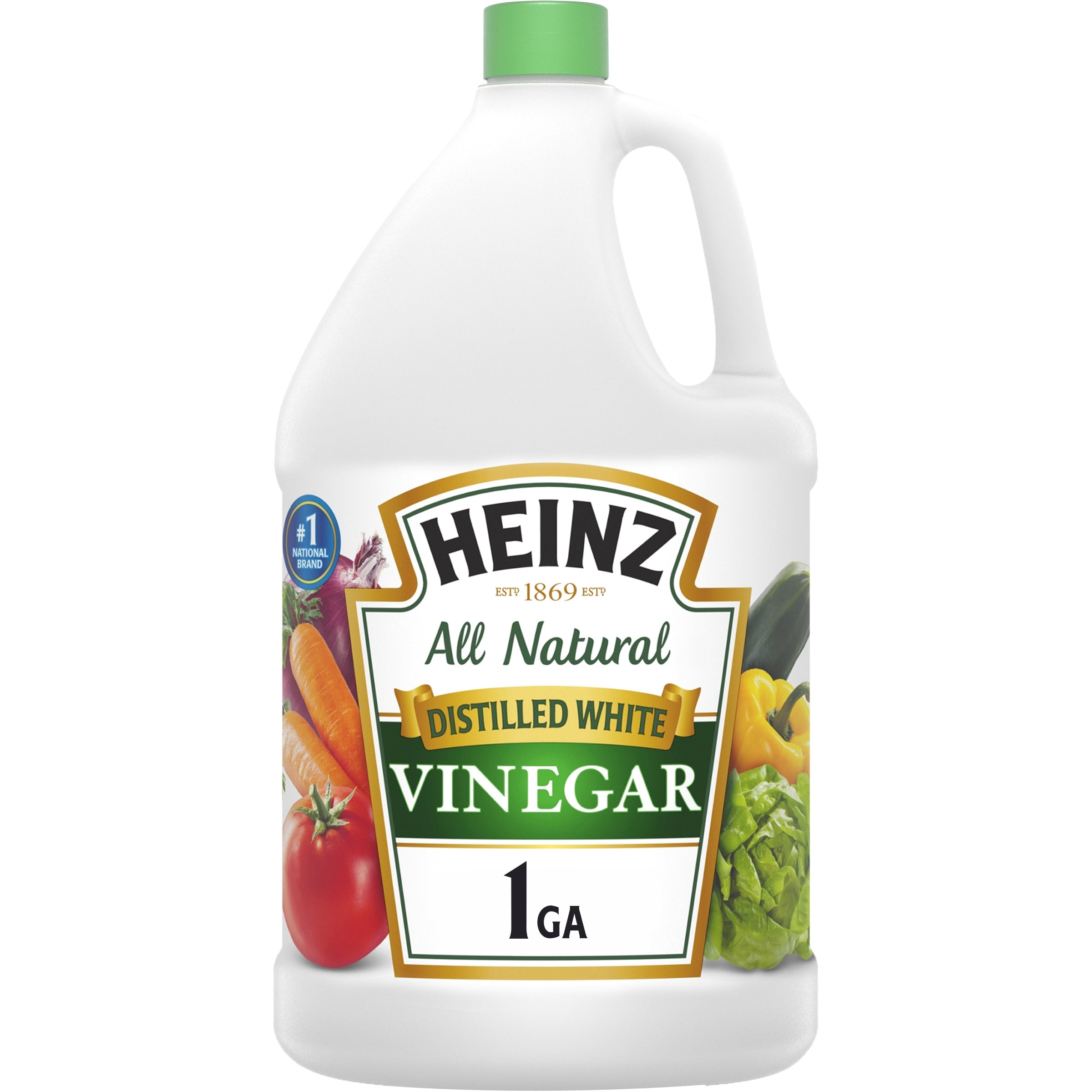
Is something munching on your precious tomato plants, leaving you feeling defeated before you even get to taste that first juicy bite? Or perhaps you're noticing a strange yellowing of the leaves, a telltale sign of fungal woes? Don't despair! There’s a simple, often overlooked solution hiding right in your pantry: vinegar.
Using vinegar spray for tomato plant care might sound a little unconventional, but it's a surprisingly effective and eco-friendly way to tackle common garden problems. Not only can it help combat fungal diseases and deter pests, but it's also incredibly cost-effective and safe for your family and the environment, especially compared to harsh chemical treatments. Imagine harvesting a bumper crop of beautiful, healthy tomatoes, knowing you achieved it with a natural, readily available resource. Plus, a healthy tomato plant often means more herbs planted nearby thrive too, thanks to the increased pollination!
The Power of Vinegar: Your Tomato Plant's Best Friend?
Vinegar, specifically white vinegar, possesses properties that can be incredibly beneficial for tomato plants. The acidity of vinegar helps to create an environment that's inhospitable to many fungal diseases, such as early blight and powdery mildew, which can quickly decimate a tomato crop. Furthermore, its pungent smell acts as a deterrent for certain pests, like aphids and fruit flies. Think of it as a natural shield, protecting your precious plants from harm. Learning to effectively use vinegar spray can transform your approach to garden care, and opens up the possibility of experimenting with other natural remedies.
Getting Started: Mixing Your Vinegar Spray
Before you rush out and douse your tomato plants in vinegar, it's crucial to understand the proper dilution. Using undiluted vinegar can severely damage or even kill your plants. The key is to create a solution that's strong enough to be effective but gentle enough to avoid harming your tomatoes.
Here's a basic recipe for a general-purpose vinegar spray: Ingredients:
1 tablespoon of white vinegar (5% acidity)
1 quart (4 cups) of water
Optional: 1/2 teaspoon of mild liquid dish soap (this helps the solution adhere to the leaves)
Instructions:
1. Combine the vinegar, water, and dish soap (if using) in a clean spray bottle.
2. Shake well to ensure the ingredients are thoroughly mixed.
3. Test the solution on a small, inconspicuous area of one plant before applying it to the entire crop. Wait 24 hours to check for any adverse reactions, such as leaf burn or discoloration.
Remember that this is a general guideline. You may need to adjust the concentration depending on the specific problem you're trying to address and the overall health of your plants. For severe fungal infections, you might increase the vinegar concentration slightly, but always proceed with caution and monitor your plants closely. Also, timing is important; avoid spraying during the hottest part of the day to prevent leaf burn, and don't spray if rain is expected, as it will wash away the solution.
When and How to Apply Vinegar Spray
Timing and application are just as important as the mixture itself. The best time to apply vinegar spray is in the early morning or late evening when the sun isn't too intense. This will prevent the vinegar from evaporating too quickly and minimize the risk of leaf burn.
Frequency: For preventative measures, spray your tomato plants once a week. If you're dealing with an active fungal infection or pest infestation, you may need to spray every 2-3 days until the problem is under control. Application Technique: Thoroughly spray all parts of the plant, including the tops and undersides of the leaves, as well as the stems. Pay close attention to areas where you've noticed signs of fungal growth or pest activity. Weather Considerations:Avoid spraying on windy days, as the solution can drift and potentially harm nearby plants. Also, avoid spraying if rain is expected within 24 hours, as the rain will wash away the vinegar before it has a chance to work.
Consistent, careful application is key to maximizing the effectiveness of vinegar spray. Consider also companion planting with herbs like basil and marigolds, known for repelling pests naturally, to create a holistic and resilient garden ecosystem. Many gardeners find that these methods boost the health of tomato plants, and therefore, the health of the best herbs to grow nearby as well!
Troubleshooting and Precautions
While vinegar spray is generally safe, it's important to be aware of potential problems and take necessary precautions: Leaf Burn: If you notice the leaves of your tomato plants turning yellow or brown after spraying, it could be a sign of leaf burn. This is usually caused by using too high a concentration of vinegar or spraying during the hottest part of the day. Reduce the vinegar concentration in your spray and adjust your application timing. Soil Acidity: Excessive use of vinegar can increase the acidity of the soil over time. While tomatoes prefer slightly acidic soil, too much acidity can be detrimental. Monitor your soil p H regularly and amend as needed with lime or wood ashes to balance the acidity. Beneficial Insects:While vinegar spray can deter harmful pests, it can also affect beneficial insects. Avoid spraying directly on flowering plants or areas where you've noticed beneficial insects like ladybugs or bees.
People Also Ask: Vinegar Spray Tips for Tomato Plant Care
Will vinegar kill tomato plants?
Yes, undiluted vinegarcankill tomato plants. The key to safe and effective use is dilution. Always dilute white vinegar with water according to the recommended ratios (usually 1 tablespoon per quart of water) to avoid damaging the leaves or disrupting the soil p H too much. Start with a lower concentration and observe your plants carefully for any signs of stress.
What else can I spray on tomato plants for fungus?
Besides vinegar spray, other effective natural remedies for fungal diseases on tomato plants include baking soda spray (1 teaspoon baking soda per quart of water), copper fungicide, and neem oil. Ensure good air circulation around your plants by pruning excess foliage and spacing them adequately. Proper watering techniques (watering at the base of the plant rather than overhead) also help prevent fungal growth. Remember to always test any new spray on a small area first. Consider growing in containers to better control the soil and prevent soil-borne diseases — a helpful container gardening tips if you find your plants are always struggling.
Is apple cider vinegar better than white vinegar for tomato plants?
While some gardeners use apple cider vinegar, white vinegar is generally preferred for tomato plant care due to its consistent acidity level. Apple cider vinegar's acidity can vary, making it harder to accurately dilute and control the spray's potency. If you do use apple cider vinegar, start with an even lower concentration than you would with white vinegar to minimize the risk of damage. The most important thing is to monitor your plants closely, no matter which type of vinegar you choose.
Beyond Vinegar: Cultivating a Healthy Tomato Patch
While vinegar spray can be a valuable tool in your gardening arsenal, it's just one piece of the puzzle. To truly cultivate a thriving tomato patch, you need to focus on creating a healthy environment from the start.
Soil Preparation: Tomatoes thrive in well-drained, fertile soil. Amend your soil with compost or other organic matter to improve its structure and nutrient content. Sunlight: Tomatoes need at least 6-8 hours of sunlight per day. Choose a location that receives plenty of sun, and ensure your plants aren't shaded by taller plants or structures. If you're limited on sunlight, consider shade-loving herbs as companions. Watering: Water deeply and regularly, especially during hot, dry weather. Avoid overhead watering, as this can promote fungal diseases. Soaker hoses or drip irrigation are excellent options. Fertilizing: Tomatoes are heavy feeders. Fertilize regularly with a balanced fertilizer formulated for tomatoes. Follow the instructions on the fertilizer label carefully. Pruning:Prune your tomato plants to improve air circulation and encourage fruit production. Remove suckers (the small shoots that grow between the main stem and branches) to direct the plant's energy towards fruit development.
The Joy of Natural Gardening
Embracing natural gardening practices like using vinegar spray not only benefits your plants but also connects you more deeply with the natural world. It's a rewarding experience to nurture your garden without relying on harsh chemicals, knowing that you're contributing to a healthier ecosystem. Plus, there's something truly special about harvesting vegetables and herbs that you've grown yourself, using sustainable and eco-friendly methods. And with a healthy tomato plant, the possibilities for the best herbs to grow nearby expand! You can try growing herbs like basil, parsley, or chives together to create a symbiotic relationship.
So, grab that bottle of vinegar, put on your gardening gloves, and get ready to give your tomato plants some love. With a little knowledge and effort, you'll be well on your way to enjoying a bountiful harvest of delicious, homegrown tomatoes. Don't be afraid to experiment, learn, and adapt your approach as you go. Every garden is unique, and the journey of discovery is part of the fun!
Post a Comment for "Vinegar Spray Tips for Tomato Plant Care"