How to Apply Milk Spray on Tomato Plants the Right Way
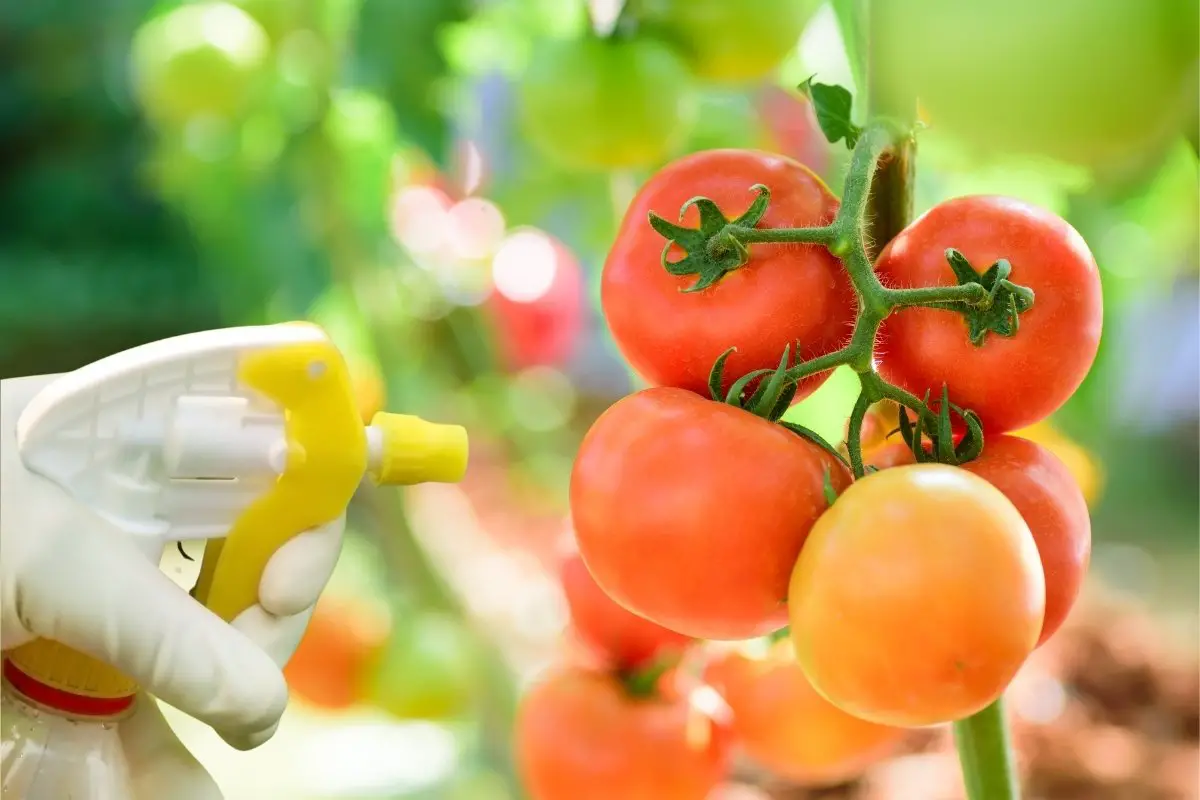
Got tomato troubles? Yellowing leaves, suspicious spots, or just a general feeling that your precious plants aren't thriving? Don't reach for the harsh chemicals just yet! Sometimes, the simplest solutions are the most effective, and you might be surprised to learn that your kitchen holds a powerful ally in the fight against common tomato plant diseases: milk!
This isn't some old wives' tale; the science backs it up. Milk, diluted and applied as a foliar spray, can work wonders for your tomato plants, helping to prevent and even combat fungal diseases like powdery mildew and tomato mosaic virus. Using milk spray isn’t just about healthier tomatoes; it's about a healthier garden ecosystem, reducing your reliance on synthetic products and embracing a more natural approach to growing your own food. Imagine plucking perfectly ripe, juicy tomatoes from your vine, knowing you nurtured them with a simple, sustainable solution. That’s the magic of gardening, and we’re here to guide you through exactly how to apply milk spray on tomato plants the right way.
Why Milk Spray Works: The Science Behind the Sip
Milk spray might seem like an unconventional gardening hack, but its effectiveness stems from the proteins and lactic acid present in milk. These components act in several beneficial ways. First, they can disrupt the development and spread of fungal spores, preventing diseases like powdery mildew from taking hold. Think of it as creating a protective shield on the leaves of your tomato plants. Second, milk can stimulate the plant's own immune system, making it more resilient to disease. Essentially, you're giving your tomato plants a little boost to help them fight off infections naturally. Lactic acid, in particular, is known for its antifungal properties. While the exact mechanism isn't fully understood, it's believed that the proteins in milk react with sunlight to create antiseptic effects on the leaf surface, inhibiting the growth of fungal pathogens.
Finally, and perhaps surprisingly, milk can also act as a mild fertilizer, providing trace elements that can benefit plant growth. So, you're not just protecting your plants; you're also giving them a little nutritional boost! Of course, milk spray is just one tool in your arsenal. For example, companion planting is another excellent way to naturally protect your plants. Marigolds are a popular choice since their scent can repel many pests.
How to Make and Apply Milk Spray: A Step-by-Step Guide
Ready to get started? Here’s your guide on how to apply milk spray on tomato plants the right way, ensuring maximum benefit for your plants:1. Choose Your Milk: While any type of milk can work, organic milk is generally preferred to avoid any potential residues from pesticides or hormones. However, even conventional milk is a far better option than many chemical treatments. You can use whole milk, 2%, 1%, or even skim milk. Some gardeners have also found success with powdered milk, reconstituted according to package directions.
2. Dilute the Milk: This is crucial! Never apply undiluted milk to your plants, as it can actually promote fungal growth and attract unwanted pests. The ideal ratio is 1 part milk to 9 parts water (a 10% solution). For example, mix 1 cup of milk with 9 cups of water. Use distilled or filtered water if your tap water is heavily chlorinated.
3. Mix Thoroughly: Ensure the milk and water are well combined. A good shake or stir is all it takes.
4. Choose Your Sprayer: A clean spray bottle is essential. Make sure it hasn’t been used for any herbicides or other harmful chemicals. A dedicated sprayer for your milk solution is ideal.
5. Apply in the Right Conditions: The best time to apply milk spray is in the early morning or late evening, when the sun is not directly shining on your plants. This prevents the leaves from scorching. Avoid spraying on rainy days, as the rain will wash away the solution.
6. Spray Thoroughly: Completely coat all parts of the plant, including the tops and bottoms of the leaves, stems, and even the developing tomatoes. Don't be shy! The goal is to create a protective layer over the entire plant.
7. Repeat Regularly: For preventative purposes, apply milk spray every 7-14 days. If you're dealing with an active fungal infection, you may need to spray every 3-5 days until the problem is under control.
8. Observe Your Plants: Keep a close eye on your tomato plants after applying the milk spray. Look for any signs of improvement or adverse reactions. If you notice any problems, reduce the frequency of applications or try a weaker solution.
People Also Ask:
What are the best herbs to grow alongside tomato plants?
Companion planting with herbs like basil, oregano, thyme, and rosemary can provide natural pest control and improve the flavor of your tomatoes. Basil is particularly well-known for repelling tomato hornworms and other pests. These herbs also attract beneficial insects, like ladybugs, which prey on aphids and other garden pests. Plus, you'll have a ready supply of fresh herbs for cooking! Consider planting them directly in the ground near your tomato plants, or in pots around the perimeter of your tomato patch.
Can I use milk spray on other plants in my garden?
Yes! Milk spray can be beneficial for a wide range of plants, including cucumbers, squash, zucchini, peppers, and even roses. It's particularly effective against powdery mildew, which is a common problem on many garden plants. However, always test a small area first to ensure that the plant doesn't react negatively to the spray.
Are there any downsides to using milk spray?
While generally safe, there are a few potential downsides to be aware of. Milk can sometimes attract ants or other insects, so be sure to monitor your plants closely. In very humid conditions, milk spray can also potentially promote the growth of other types of fungi, so it's important to use it judiciously and ensure good air circulation around your plants. Overuse can also lead to a build-up of milk residue on the leaves, which can hinder photosynthesis. If you notice any of these issues, reduce the frequency of applications or discontinue use altogether. Always ensure good air circulation around your plants through proper spacing when planting and pruning when necessary.
Beyond the Spray: Boosting Tomato Health from the Start
While milk spray is a fantastic tool, it's most effective when combined with other good gardening practices. Healthy tomato plants are naturally more resistant to disease, so focusing on creating optimal growing conditions is essential.
Here are some key factors to consider: Soil Health: Tomatoes thrive in well-drained soil that is rich in organic matter. Amend your soil with compost or well-rotted manure before planting to provide essential nutrients and improve drainage. Sunlight: Tomatoes need at least 6-8 hours of direct sunlight per day to produce abundant fruit. Choose a sunny location for your tomato plants. Watering: Water deeply and regularly, especially during dry spells. Avoid overhead watering, which can create humid conditions that promote fungal diseases. Instead, water at the base of the plant. Air Circulation: Ensure good air circulation around your tomato plants by spacing them properly and pruning away any overcrowded foliage. This will help to prevent fungal diseases from taking hold. Support: Provide support for your tomato plants with stakes, cages, or trellises. This will help to keep the fruit off the ground and prevent disease. Crop Rotation: Avoid planting tomatoes in the same location year after year, as this can lead to a build-up of soilborne diseases. Rotate your crops to different areas of your garden each year. Pruning:Prune your tomato plants regularly to remove suckers (the small shoots that grow between the main stem and branches). This will improve air circulation and direct the plant's energy towards fruit production.
By combining these practices with the regular application of milk spray, you'll be well on your way to growing healthy, productive tomato plants and enjoying a bountiful harvest of delicious, homegrown tomatoes. Think of other organic methods you can utilize such as attracting beneficial insects like ladybugs which will help to control pest populations naturally.
Gardening is a journey of continuous learning and experimentation. Don't be afraid to try new things, adapt your approach, and discover what works best for you and your garden. The more you observe your plants and understand their needs, the more successful you'll become. So, get out there, get your hands dirty, and enjoy the process of growing your own food! Happy gardening!
Post a Comment for "How to Apply Milk Spray on Tomato Plants the Right Way"