Tomato Sprays You Should Never Use Together
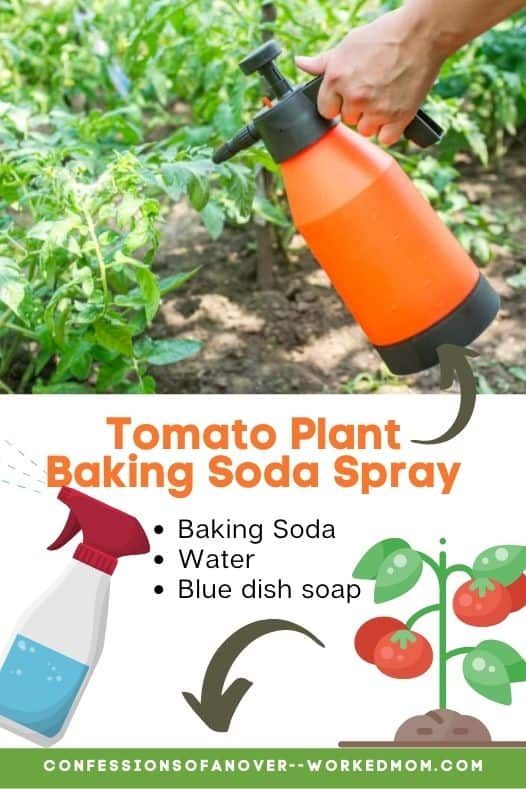
Ever reached for your arsenal of tomato sprays, hoping to banish blight or thwart those pesky hornworms, only to feel a nagging doubt? You’re not alone! Sometimes, the well-intentioned gardener can accidentally create a chemical cocktail that’s more harmful than helpful. Mixing certain tomato sprays can render them ineffective, damage your plants, or even pose a risk to you and the environment.
The magic of homegrown tomatoes, bursting with flavor and sunshine, is something every gardener dreams of. But achieving that dream often involves battling a host of pests and diseases. Understanding which tomato sprays play nicely together, and which ones definitely don’t, is crucial for maximizing your harvest, minimizing plant damage, and ensuring the safety of your garden, your family, and the beneficial insects that keep everything in balance. Learning which combinations to avoid is just as important as knowing which ones to use! Let’s explore the world of tomato sprays and uncover the combinations that should never, ever meet.
Why Mixing Tomato Sprays Can Be a Recipe for Disaster
Imagine baking a cake and throwing in every spice in your pantry, hoping for the best. The result would likely be a culinary catastrophe, right? The same principle applies to tomato sprays. Combining them haphazardly can lead to several problems: Reduced Effectiveness: Some mixtures neutralize each other, rendering both sprays useless against pests or diseases. You'll waste your time and effort with no positive results. Phytotoxicity: This fancy term simply means "plant poisoning." Certain combinations can burn leaves, stunt growth, or even kill your tomato plants. Imagine carefully nurturing your seedlings, only to accidentally scorch them with a poorly mixed spray! Environmental Harm: Incorrect mixtures can be harmful to beneficial insects like bees and ladybugs, disrupting the delicate ecosystem of your garden. Plus, some combinations may create runoff that contaminates soil and water sources. Health Risks: Some spray combinations can produce dangerous fumes or residues that pose a risk to your health, especially if you're not wearing proper protective gear. Always prioritize safety!
Tomato Spray Combinations to Avoid at All Costs
So, which tomato spray pairings should you steer clear of? Here are some of the most common and potentially problematic combinations: Lime Sulfur and Horticultural Oil: This is a big no-no! Combining these two can create a highly phytotoxic mixture that severely damages or even kills your tomato plants. Lime sulfur is often used as a dormant spray, while horticultural oil is used to smother pests. Applying them together is a recipe for disaster. Copper-Based Fungicides and Certain Insecticides: Copper fungicides are effective against fungal diseases, but they can react negatively with certain insecticides, particularly those containing organophosphates or carbamates. This can increase the toxicity of the insecticide and harm your plants. Always check the labels carefully! Different Brands of the Same Type of Spray: Even if two sprays seem similar (e.g., two different brands of Bacillus thuringiensis or Bt), they may contain different inert ingredients or formulations that can react negatively when mixed. Stick to one brand or consult an expert before combining. Anything without Reading the Label!This might seem obvious, but it's worth emphasizing. Always, always, always read the labels of all products before mixing them. Look for warnings about incompatibility or potential adverse reactions. If the label doesn't specifically say it's safe to mix, err on the side of caution and don't do it!
Safe Spraying Practices for Thriving Tomatoes
Now that you know whatnotto do, let’s focus on best practices for keeping your tomato plants healthy and productive without resorting to dangerous spray combinations.
1.Identify the Problem First:Before reaching for any spray, accurately diagnose the issue affecting your tomato plants. Is it blight, blossom end rot, aphids, or something else? Knowing the enemy is the first step to defeating it.
2.Start with Preventative Measures: Often, the best defense is a good offense. Focus on creating a healthy growing environment for your tomatoes. This includes: Good Soil:Use well-draining soil rich in organic matter.
Proper Spacing: Allow adequate space between plants for good air circulation.
Sunlight: Tomatoes need at least 6-8 hours of sunlight per day.
Watering: Water consistently at the base of the plants, avoiding wetting the foliage.
3.Choose Single-Ingredient Sprays When Possible: Opt for single-ingredient sprays targeted at the specific pest or disease you're dealing with. This reduces the risk of unexpected reactions.
4.Test Before You Treat: Before spraying your entire crop, test the spray on a small area of one plant and wait 24-48 hours to see if there are any adverse reactions.
5.Apply Sprays Correctly: Follow the label instructions carefully regarding dosage, application method, and timing. Apply sprays in the early morning or late evening to avoid burning the leaves in the hot sun.
6.Consider Organic and Natural Alternatives: Explore organic and natural options like neem oil, insecticidal soap, and Bacillus thuringiensis (Bt) before resorting to synthetic pesticides.
7.Rotate Your Sprays: Pests and diseases can develop resistance to certain sprays over time. Rotate different types of sprays to prevent this from happening.
8.Clean Your Sprayer: Thoroughly clean your sprayer after each use to prevent cross-contamination and buildup of residues.
Can companion planting help reduce the need for sprays?
Absolutely! Companion planting is a fantastic way to naturally deter pests and diseases. Marigolds, for example, are known to repel nematodes and other harmful insects. Basil can help deter tomato hornworms and whiteflies. Planting these beneficial companions around your tomatoes can significantly reduce the need for sprays. Other good companions include: Nasturtiums: These attract aphids away from your tomatoes. Garlic and Onions: These deter many pests and have antifungal properties. Borage:This attracts beneficial insects like bees and parasitic wasps.
What are some signs that my tomato plants are suffering from phytotoxicity?
Keep an eye out for these telltale signs: Leaf Burn: Brown or black spots on the leaves, especially around the edges. Yellowing: Leaves turning yellow or pale green. Stunted Growth: Plants growing slowly or not at all. Leaf Drop: Premature dropping of leaves. Wilting:Plants wilting even when the soil is moist.
If you notice any of these symptoms, stop spraying immediately and try to flush the soil with water to remove any excess chemicals.
What if I accidentally mixed incompatible sprays?
Don't panic! The first thing to do is thoroughly rinse your sprayer with water. Then, carefully monitor your tomato plants for any signs of damage. If you see any adverse reactions, try flushing the soil with water and providing your plants with extra care. If the damage is severe, you may need to remove affected foliage. In the future, always double-check the labels before mixing any sprays.
Growing healthy, delicious tomatoes requires knowledge, patience, and a little bit of experimentation. By understanding which tomato sprays you should never use together and following safe spraying practices, you can protect your plants, your garden, and your health. So get out there, nurture your tomatoes, and enjoy the sweet taste of homegrown success!
Post a Comment for "Tomato Sprays You Should Never Use Together"