Monsoon-Safe DIY Sprays for Outdoor Tomato Plants
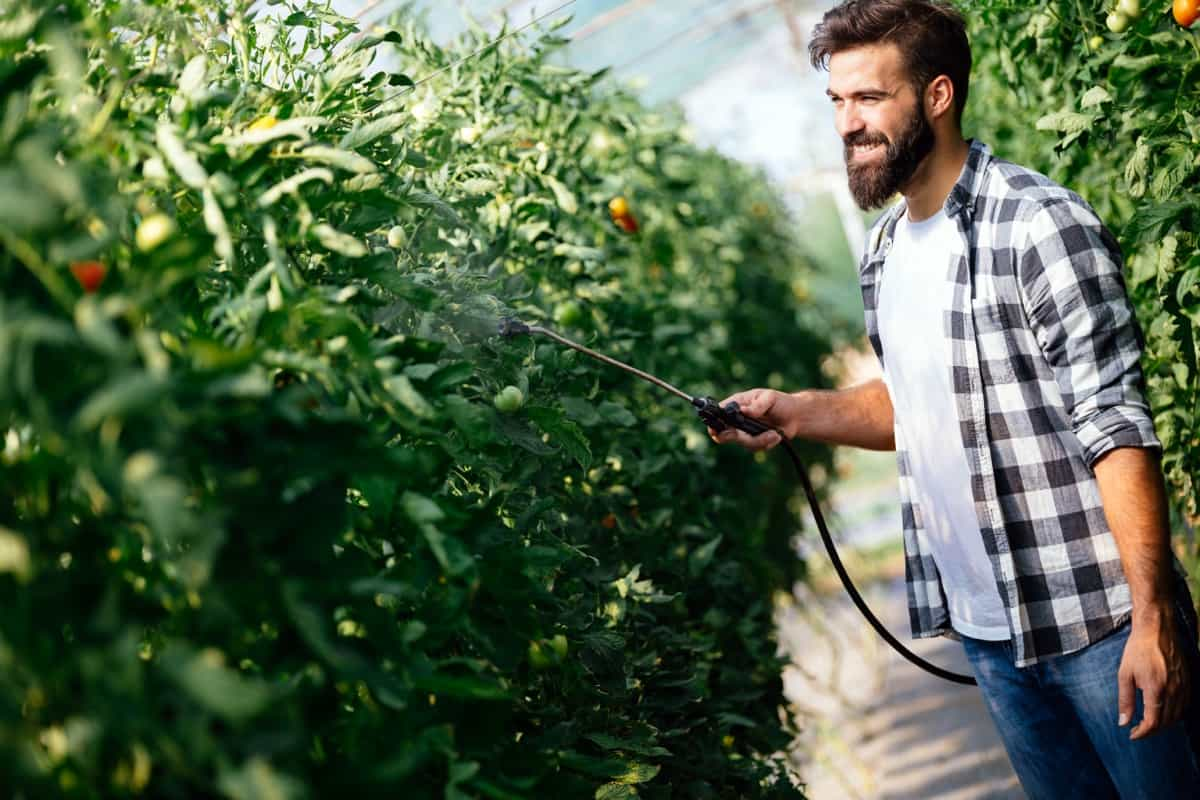
The monsoon season: a blessing for some, a curse for tomato growers! Torrential rains, high humidity, and fluctuating temperatures create the perfect breeding ground for fungal diseases and pests that can decimate your precious tomato plants. But don’t despair! You don’t have to resign yourself to watching your hard work wither away. With a little preparation and the right know-how, you can protect your tomato crop and enjoy a bountiful harvest, even during the heaviest downpours.
Creating monsoon-safe DIY sprays for your outdoor tomato plants is a fantastic way to stay organic, save money, and tailor your plant care to your specific needs. Not only will these sprays help combat common monsoon woes like blight and pests, but they'll also give you the satisfaction of knowing exactly what you're putting on your food. Plus, many of the ingredients are likely already in your kitchen or garden! We’ll be exploring how to create effective and affordable solutions using readily available ingredients and some of the best herbs to grow for garden health.
DIY Monsoon Protection: Recipes for Thriving Tomatoes
The key to successful monsoon tomato growing is prevention. Starting early with regular spray applications will give your plants a fighting chance against the onslaught of fungal diseases and pests. These recipes are designed to be gentle enough for frequent use, yet powerful enough to keep your plants healthy and productive.
Recipe 1: The Baking Soda Blight Buster
Baking soda is a fantastic natural fungicide that can help prevent and control early blight and other fungal diseases. It works by altering the p H on the leaf surface, making it inhospitable for fungal spores to germinate.
Ingredients:
1 tablespoon baking soda
1 teaspoon horticultural oil (optional, but helps the solution stick to leaves)
1 gallon of water Instructions:
1. Combine the baking soda and horticultural oil (if using) in a gallon of water.
2. Mix well until the baking soda is completely dissolved.
3. Pour the solution into a spray bottle.
4. Thoroughly spray all parts of the tomato plant, including the undersides of the leaves. Frequency:Apply every 7-10 days, or more frequently during periods of heavy rain.
Recipe 2: The Garlic Pest Repellent
Garlic is a natural insect repellent that can help deter aphids, whiteflies, and other common tomato pests. Its strong smell masks the scent of the tomato plants, making it harder for pests to find them.
Ingredients:
4-5 cloves of garlic, crushed
2 cups of boiling water
1 teaspoon liquid dish soap (optional, but helps the solution stick to leaves) Instructions:
1. Pour the boiling water over the crushed garlic and let it steep for at least 24 hours.
2. Strain the garlic-infused water through a cheesecloth or fine-mesh sieve.
3. Add the liquid dish soap (if using) to the strained garlic water.
4. Dilute the mixture with 2 cups of water.
5. Pour the solution into a spray bottle.
6. Thoroughly spray all parts of the tomato plant, especially areas where pests are present. Frequency:Apply every 5-7 days, or after heavy rain.
Recipe 3: The Neem Oil All-rounder
Neem oil is a broad-spectrum insecticide, fungicide, and miticide derived from the neem tree. It disrupts the life cycle of many common tomato pests and can also help control fungal diseases. This is a great option for container gardening tips since a little goes a long way!
Ingredients:
1 tablespoon neem oil
1/2 teaspoon liquid dish soap (as an emulsifier)
1 gallon of water Instructions:
1. Mix the neem oil and liquid dish soap in a small container.
2. Add the mixture to a gallon of water.
3. Mix well until the solution is emulsified (milky white in appearance).
4. Pour the solution into a spray bottle.
5. Thoroughly spray all parts of the tomato plant, including the undersides of the leaves. Frequency:Apply every 7-14 days, or as needed for pest or disease control. Apply in the evening to avoid burning the leaves in direct sunlight.
Important Considerations for All Sprays
Test First: Always test any spray on a small area of the plant before applying it to the entire crop to ensure it doesn't cause any adverse reactions. Spray Thoroughly: Ensure complete coverage of all plant parts, especially the undersides of leaves, where pests and diseases often hide. Timing is Key: Apply sprays in the early morning or late evening to avoid scorching the leaves in direct sunlight. Avoid spraying during flowering to protect pollinators. Reapply After Rain: Reapply sprays after heavy rain to maintain their effectiveness. Prevention is Best:Start applying sprays early in the season, before problems arise, for best results.
Companion Planting for Enhanced Monsoon Protection
In addition to DIY sprays, companion planting can play a significant role in protecting your tomato plants during the monsoon season. Certain herbs and flowers can repel pests, attract beneficial insects, and even improve the overall health of your tomato plants.
Basil: A classic companion plant for tomatoes, basil repels tomato hornworms and whiteflies. Its strong scent also helps mask the scent of the tomato plants, making it harder for pests to find them. Plus, you can enjoy fresh basil with your homegrown tomatoes! Marigolds: These cheerful flowers attract beneficial insects like ladybugs and hoverflies, which prey on aphids and other tomato pests. They also release a substance into the soil that can repel nematodes. Nasturtiums: Nasturtiums act as a trap crop, attracting aphids and other pests away from your tomato plants. They are also edible and add a peppery flavor to salads. Chives: Chives repel aphids, Japanese beetles, and other tomato pests. They also improve the flavor of tomatoes. Mint:While mint can be invasive, planting it in containers near your tomato plants can help repel flea beetles and other pests. Just be sure to keep it contained!
Planting these herbs and flowers near your tomato plants can create a natural barrier against pests and diseases, reducing the need for chemical interventions. They’re also excellent choices for indoor herb ideas if you want to start seedlings before the monsoon hits!
Can herbs really grow indoors in winter?
Yes! Many herbs thrive indoors with sufficient light and proper care. Consider growing basil, mint, oregano, thyme, and rosemary on a sunny windowsill or under grow lights. This allows you to enjoy fresh herbs year-round and even get a head start on seedlings for the next outdoor growing season. Even shade-loving herbs like parsley can do well indoors.
Dealing with Specific Monsoon Challenges
Even with the best preventative measures, you may still encounter specific challenges during the monsoon season. Here's how to address some common problems: Fungal Diseases (Early Blight, Late Blight): If you notice signs of fungal disease, such as yellowing leaves with brown spots, remove the affected leaves immediately. Increase air circulation around the plants by pruning them. Apply the baking soda spray or neem oil spray regularly to prevent further spread. Ensure your plants have good drainage. Pest Infestations (Aphids, Whiteflies, Tomato Hornworms): Regularly inspect your plants for pests. For small infestations, handpick the pests or spray them off with a strong stream of water. For larger infestations, use the garlic spray or neem oil spray. Encourage beneficial insects by planting companion flowers. Blossom End Rot:This condition is caused by calcium deficiency, often due to inconsistent watering. Ensure your plants receive consistent moisture, especially during dry spells. Add calcium to the soil by incorporating eggshells or bone meal.
Which herbs grow faster in pots?
Several herbs are particularly well-suited for growing in pots due to their compact size and relatively fast growth rate. These include basil, mint, chives, parsley, cilantro, and oregano. They are ideal for small spaces and container gardening tips.
Beyond Sprays: Building Healthy Soil for Resilient Plants
Ultimately, the best defense against monsoon challenges is healthy, resilient plants. Building healthy soil is crucial for providing your tomato plants with the nutrients they need to thrive.
Amend with Compost: Incorporate plenty of compost into the soil before planting to improve drainage, aeration, and nutrient content. Mulch: Apply a layer of mulch around the base of the plants to help retain moisture, suppress weeds, and regulate soil temperature. Organic mulches like straw, wood chips, or shredded leaves are excellent choices. Water Wisely: Water deeply and infrequently, allowing the soil to dry out slightly between waterings. Avoid overhead watering, which can promote fungal diseases. Fertilize Regularly: Feed your tomato plants with a balanced organic fertilizer every few weeks to provide them with the nutrients they need to produce abundant fruit.
What are the best herbs to grow in shady areas?
Even if you have limited sunlight, you can still grow a variety of herbs! Shade-loving herbs like parsley, mint, chives, cilantro, oregano, and lemon balm thrive in partial shade. They are perfect for growing under trees or on balconies with limited sunlight.
Growing tomatoes during the monsoon season can be challenging, but it's also incredibly rewarding. By using these DIY sprays, practicing companion planting, addressing specific challenges, and building healthy soil, you can protect your tomato plants and enjoy a bountiful harvest. Remember that observation is key – regularly check your plants for any signs of trouble and adjust your approach as needed. Don’t be afraid to experiment with different herb combinations to find what works best for your garden. Happy growing, and may your monsoon season be filled with juicy, delicious tomatoes!
Post a Comment for "Monsoon-Safe DIY Sprays for Outdoor Tomato Plants"