Which Herbs Grow Best Indoors
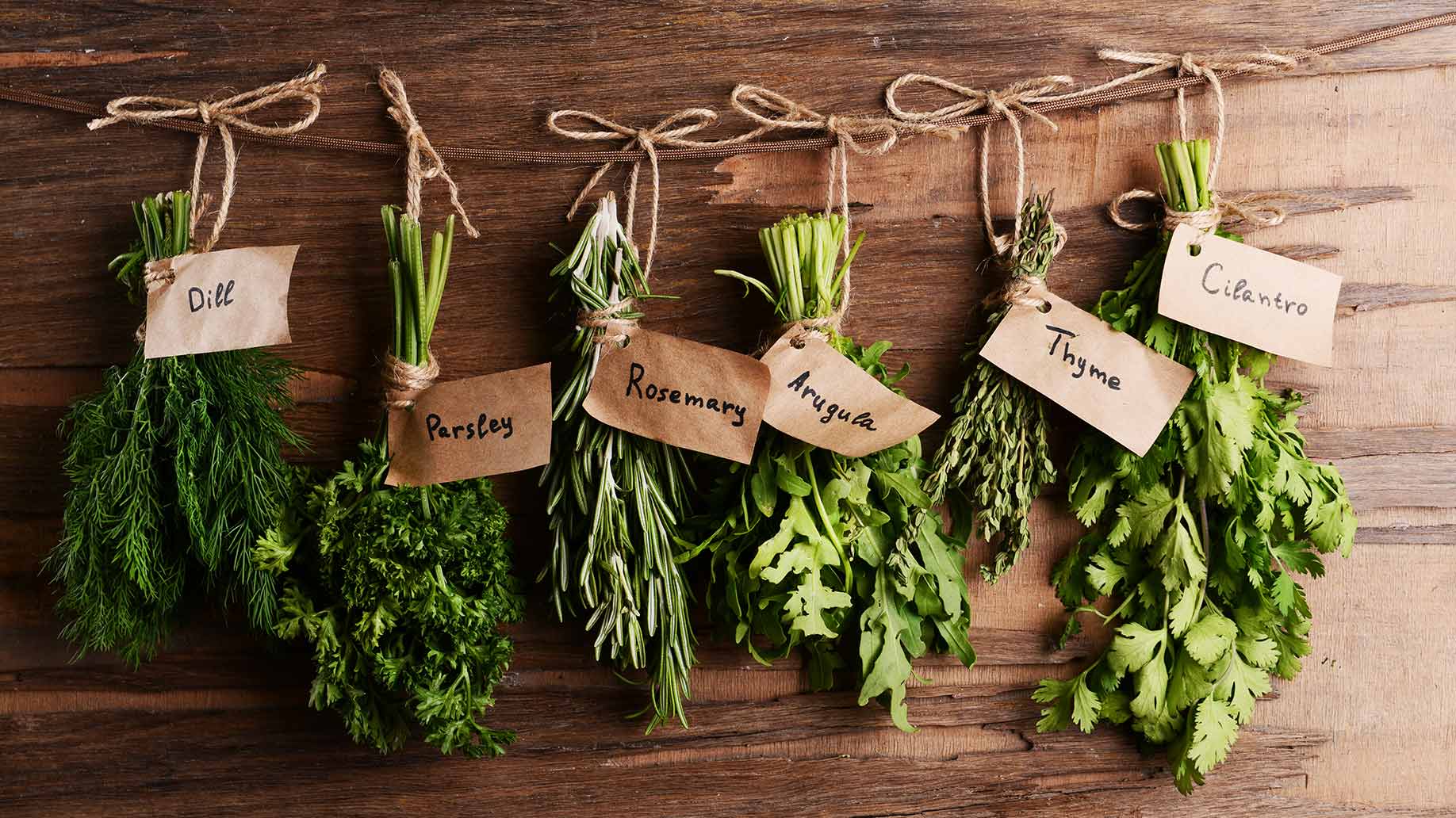
Imagine stepping into your kitchen and snipping fresh basil for your pasta, or brewing a comforting cup of mint tea straight from your windowsill. Growing herbs indoors is easier than you think, and it brings a touch of nature – and incredible flavor – right into your home.
So many of us dream of having a lush herb garden, but lack the outdoor space or perfect climate. That's where indoor herb gardening comes in! Not only does it provide you with fresh ingredients year-round, but it also adds a vibrant, fragrant touch to your living space. Plus, it’s incredibly rewarding to nurture these little plants and watch them thrive. Let's explore which herbs grow best indoors and how to create your own thriving indoor herb oasis.
The Best Herbs to Grow Indoors: A Beginner's Guide
Choosing the right herbs is the first step to a successful indoor garden. Some herbs are simply better suited to the indoor environment than others. Here are a few of my top recommendations for indoor herb gardening, including container gardening tips to help them flourish: Basil: This popular herb loves warmth and plenty of light, making it a great candidate for a sunny windowsill. Choose compact varieties like 'Spicy Globe' basil for smaller spaces. Mint: Known for its vigorous growth, mint thrives indoors. Keep it contained in its own pot, as it can quickly spread and overtake other plants. Peppermint, spearmint, and chocolate mint are all excellent choices. Chives: These onion-flavored herbs are easy to grow and provide a continuous supply of fresh flavor. They prefer bright light and well-drained soil. Parsley: Both curly and flat-leaf parsley do well indoors, adding a fresh, vibrant green to your kitchen. Parsley requires consistent moisture and regular harvesting. Oregano: This Mediterranean herb is relatively drought-tolerant and enjoys bright light. Its pungent flavor makes it a versatile addition to your culinary creations. Thyme: Another Mediterranean favorite, thyme thrives in sunny locations with well-drained soil. Its delicate leaves add a subtle, earthy flavor to dishes. Rosemary:While rosemary can be a bit more challenging, it can thrive indoors with proper care. It needs plenty of sunlight, well-drained soil, and good air circulation. Consider a dwarf variety for easier management.
These herbs are generally resilient and adaptable, making them excellent choices for beginner indoor gardeners. Experiment and discover your own favorites!
Setting Up Your Indoor Herb Garden
Once you've chosen your herbs, it's time to create the ideal environment for them to flourish. Here's what you need to consider: Light: Most herbs need at least 6-8 hours of sunlight per day. A south-facing window is ideal. If you don't have enough natural light, consider using grow lights. LED grow lights are energy-efficient and provide the full spectrum of light that plants need. Soil: Use a well-draining potting mix specifically formulated for containers. Avoid using garden soil, as it can become compacted and doesn't provide adequate drainage. Containers: Choose pots with drainage holes to prevent waterlogging. The size of the pot will depend on the herb you're growing; a 6-inch pot is generally a good starting point. Terracotta pots are a good choice because they allow the soil to breathe. Watering: Water your herbs when the top inch of soil feels dry to the touch. Avoid overwatering, which can lead to root rot. Ensure proper drainage. Fertilizing: Feed your herbs with a balanced liquid fertilizer every 2-4 weeks during the growing season (spring and summer). Follow the instructions on the fertilizer label. Air Circulation: Good air circulation helps prevent fungal diseases. Place your herbs in a location with good airflow, or use a small fan to circulate the air.
By paying attention to these basic needs, you'll create a thriving indoor herb garden that provides you with fresh herbs year-round.
Can herbs really grow indoors in winter?
Absolutely! In fact, winter is a fantastic time to enjoy the benefits of indoor herbs. The key is to provide them with enough light. Supplementing natural light with grow lights is crucial during the shorter days of winter. Also, be mindful of temperature fluctuations near windows, as drafts can harm your herbs. Keep the soil consistently moist, but avoid overwatering, as growth slows down in winter.
Which herbs grow faster in pots?
Mint, basil, and chives are known for their relatively quick growth rates in containers. With adequate light, water, and nutrients, you'll be harvesting these herbs in no time. Regularly trimming them will encourage even more growth, providing you with a continuous supply of fresh herbs.
Troubleshooting Common Issues
Even with the best care, you might encounter a few challenges along the way. Here are some common problems and how to address them: Yellowing leaves: This can be a sign of overwatering, underwatering, or nutrient deficiency. Check the soil moisture and adjust your watering accordingly. If the problem persists, try fertilizing your herbs. Leggy growth: This occurs when herbs aren't getting enough light. The stems become long and spindly as the plant stretches towards the light source. Move your herbs to a sunnier location or use grow lights. Pests: Indoor herbs can be susceptible to pests like aphids, spider mites, and whiteflies. Inspect your plants regularly and treat any infestations promptly. Insecticidal soap or neem oil are effective organic solutions. Powdery mildew: This fungal disease appears as a white, powdery coating on the leaves. Improve air circulation and avoid overhead watering to prevent powdery mildew. You can also treat affected plants with a fungicide.
Don't be discouraged by these challenges. With a little observation and troubleshooting, you can keep your indoor herb garden healthy and productive.
Harvesting and Using Your Indoor Herbs
One of the greatest joys of growing your own herbs is harvesting them and using them in your cooking. Here are a few tips for harvesting and using your indoor herbs: Harvesting: Use clean scissors or pruning shears to harvest your herbs. Avoid tearing the leaves, as this can damage the plant. Harvest regularly to encourage new growth. Using fresh herbs: Add fresh herbs to your dishes at the end of cooking to preserve their flavor and aroma. Chop them finely and sprinkle them over salads, soups, stews, and pasta dishes. Drying herbs: If you have more herbs than you can use fresh, you can dry them for later use. Tie the stems together and hang them upside down in a cool, dry place. Once the leaves are completely dry, crumble them and store them in airtight containers. You can also dry herbs in a dehydrator or in the oven on low heat. Freezing herbs: Another option for preserving herbs is to freeze them. Chop the herbs and place them in ice cube trays with water or olive oil. Once frozen, transfer the cubes to freezer bags. Add the frozen herb cubes to soups, stews, and sauces as needed.
Experiment with different herbs and recipes to discover your favorite flavor combinations. Growing your own herbs opens up a world of culinary possibilities. Plus, you can create your own herbal teas and infusions for a relaxing and flavorful beverage.
Growing herbs indoors is a rewarding and accessible way to bring the beauty and flavor of nature into your home. Don’t be afraid to experiment with different varieties, techniques, and recipes. Every herb has its own unique character, and the journey of discovery is part of the fun. With a little bit of care and attention, you'll be enjoying the benefits of fresh, homegrown herbs all year round! So, grab some seeds, get your hands dirty, and start growing!
Post a Comment for "Which Herbs Grow Best Indoors"