Growing Herbs in Containers Indoors
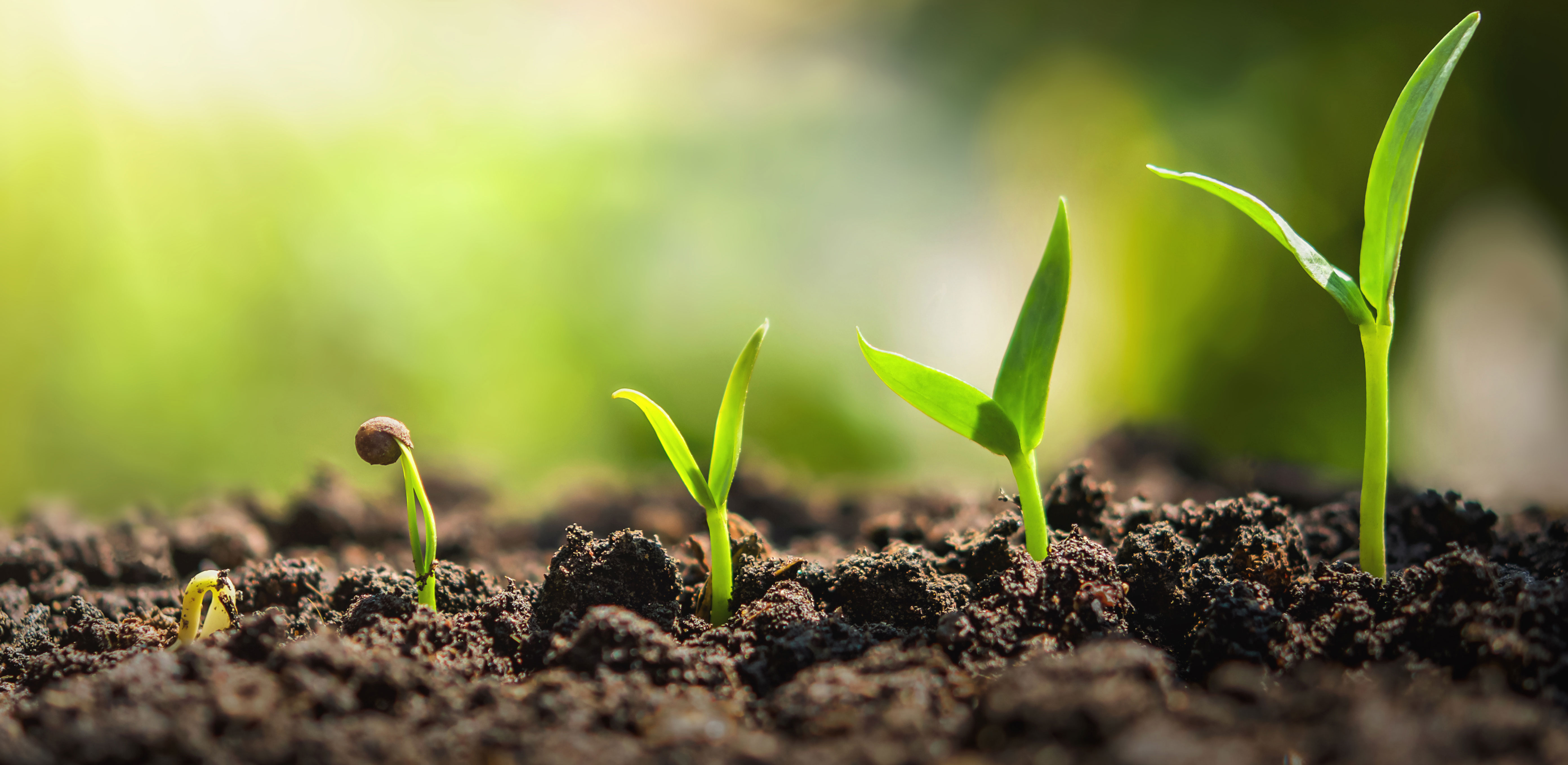
Imagine fresh basil snipped straight from your windowsill, infusing your pasta sauce with summer’s essence even in the depths of winter. Or the calming scent of lavender wafting through your kitchen as you brew a relaxing tea. Growing herbs in containers indoors makes this daily magic a reality. It's more accessible than you might think, and incredibly rewarding.
Bringing the garden inside allows you to enjoy fresh, flavorful herbs year-round, regardless of your climate or outdoor space. Not only will you elevate your cooking with vibrant, homegrown flavors, but you'll also purify your air, add a touch of greenery to your home, and experience the therapeutic joy of nurturing living plants. Plus, growing your own herbs is a cost-effective and sustainable way to reduce your reliance on store-bought produce. Let’s explore how you can create your own thriving indoor herb garden.
Choosing the Right Herbs for Indoors
Not all herbs are created equal when it comes to indoor growing. Some thrive under artificial light and in the controlled environment of your home, while others demand more sunlight and space than most indoor settings can provide. Starting with the right varieties will significantly increase your chances of success.
Some of the best herbs to grow indoors include: Basil: A culinary staple that loves warmth and bright light. Mint: Easy to grow, but best kept in its own container as it can be invasive. Perfect for teas and cocktails. Chives: Adds a mild onion flavor to dishes and is relatively low-maintenance. Parsley: Both flat-leaf and curly varieties grow well indoors with sufficient light. Oregano: A robust herb with a strong flavor that thrives in sunny locations. Thyme: A versatile herb that prefers well-drained soil and plenty of sunlight. Rosemary: A fragrant and flavorful herb that requires bright light and good air circulation. Consider a dwarf variety for smaller spaces. Lemon Balm: Offers a refreshing lemon scent and flavor, perfect for teas and desserts.
When selecting your herbs, consider how you plan to use them. Do you primarily cook Italian dishes that call for basil and oregano? Or are you more interested in brewing herbal teas with mint and lemon balm? Choosing herbs you’ll actually use will make the experience more enjoyable and rewarding.
Setting Up Your Indoor Herb Garden
Once you’ve chosen your herbs, it’s time to create the ideal growing environment. This involves selecting the right containers, soil, and lighting.
Containers: Drainage is key! Choose pots with drainage holes to prevent waterlogging, which can lead to root rot. Terracotta pots are a good option as they allow the soil to breathe. The size of the pot will depend on the herb you’re growing. Smaller herbs like chives and thyme can thrive in 4-6 inch pots, while larger herbs like rosemary and basil will need at least 8-12 inches.
Soil: Use a high-quality potting mix specifically formulated for containers. Avoid using garden soil, as it can be too heavy and compacted for container growing. A good potting mix will provide adequate drainage and aeration, which are essential for healthy root development. You can also amend your potting mix with perlite or vermiculite to improve drainage.
Light: Most herbs need at least 6-8 hours of sunlight per day to thrive. If you don’t have a sunny windowsill, you’ll need to supplement with artificial light. Fluorescent grow lights or LED grow lights are excellent options. Place the lights 6-12 inches above the plants and keep them on for 12-16 hours a day. Rotate your plants regularly to ensure even light exposure.
Watering: Water your herbs when the top inch of soil feels dry to the touch. Avoid overwatering, as this can lead to root rot. Water deeply, allowing excess water to drain out of the drainage holes. Check your plants regularly and adjust your watering schedule based on the humidity and temperature in your home.
Fertilizing: Herbs grown in containers need regular fertilization to replenish nutrients in the soil. Use a balanced liquid fertilizer diluted to half strength every 2-4 weeks during the growing season (spring and summer). Reduce or eliminate fertilization during the dormant season (fall and winter).
Caring for Your Indoor Herb Garden
Consistent care is essential for maintaining a thriving indoor herb garden. Beyond the basics of watering, lighting, and fertilizing, here are a few additional tips: Pruning: Regular pruning encourages bushier growth and prevents your herbs from becoming leggy. Pinch off the tips of the stems to promote branching. Harvest your herbs regularly, even if you don’t need them, to keep them productive. Pest Control: Indoor herb gardens are less susceptible to pests than outdoor gardens, but they can still be affected by aphids, spider mites, and whiteflies. Inspect your plants regularly for signs of pests. If you find any, treat them with insecticidal soap or neem oil. Air Circulation: Good air circulation is important for preventing fungal diseases. Ensure your plants are not overcrowded and that there is adequate airflow around them. You can use a small fan to improve air circulation if necessary. Humidity: Many herbs prefer moderate humidity levels. If your home is particularly dry, you can increase humidity by placing your plants on a tray filled with pebbles and water, or by using a humidifier. Repotting:As your herbs grow, they may need to be repotted into larger containers. Repotting allows the roots to expand and access more nutrients. Repot your herbs in the spring or summer, using a fresh potting mix.
Can herbs really grow indoors in winter?
Absolutely! In fact, growing herbs indoors is a fantastic way to enjoy fresh flavors throughout the winter months. The key is to provide adequate light, warmth, and humidity. Supplementing with grow lights is often necessary, especially in areas with short days and limited sunlight. Keep them away from drafty windows, and consider using a humidifier if your home is dry.
Which herbs grow faster in pots?
Mint, basil, and chives are known for their relatively fast growth rates in containers. These herbs can quickly fill out a pot and provide a continuous supply of fresh leaves. Be mindful that mint is invasive, so it's best to keep it in its own container to prevent it from taking over your entire herb garden.
What are some creative indoor herb ideas for small spaces?
Vertical gardening is an excellent option for small spaces. Consider using a hanging planter or a tiered herb garden to maximize your growing area. You can also repurpose items like mason jars, teacups, or even old gutters into unique herb containers. Window boxes are another great way to add greenery and fresh herbs to your home.
Harvesting and Using Your Herbs
One of the greatest joys of growing herbs indoors is the ability to harvest fresh, flavorful leaves whenever you need them.
Harvesting: Harvest your herbs in the morning, after the dew has dried but before the sun gets too hot. Use sharp scissors or pruning shears to cut the stems. Avoid cutting more than one-third of the plant at a time, as this can stress the plant.
Using: Fresh herbs are best used immediately, but they can also be stored for later use. To store fresh herbs, wrap them in a damp paper towel and place them in a plastic bag in the refrigerator. They should last for several days. You can also dry or freeze your herbs for longer storage. To dry herbs, hang them upside down in a cool, dry place until they are brittle. To freeze herbs, chop them up and place them in ice cube trays filled with water or olive oil. Once frozen, transfer the cubes to a freezer bag.
Culinary Uses: Use your fresh herbs to enhance a wide variety of dishes. Basil is delicious in pesto, pasta sauces, and salads. Mint is perfect for teas, cocktails, and desserts. Chives add a mild onion flavor to soups, salads, and omelets. Parsley is a versatile herb that can be used as a garnish or added to sauces and stews. Oregano is a staple in Italian and Greek cuisine. Thyme is a fragrant herb that pairs well with meat, poultry, and vegetables. Rosemary is a flavorful herb that can be used to season roasts, potatoes, and bread. Lemon balm adds a refreshing lemon scent and flavor to teas, desserts, and salads.
Growing herbs in containers indoors is a rewarding experience that brings the beauty and bounty of the garden into your home. From the fragrant aroma of rosemary to the zesty flavor of lemon balm, fresh herbs can transform your cooking and enhance your well-being. So, grab a few pots, some potting mix, and your favorite herb seeds or seedlings, and embark on your own indoor herb gardening adventure! Don’t be afraid to experiment and learn as you go. The best way to become a successful indoor herb gardener is to simply start growing!
Post a Comment for "Growing Herbs in Containers Indoors"