Herbs That Grow in Shade Easily
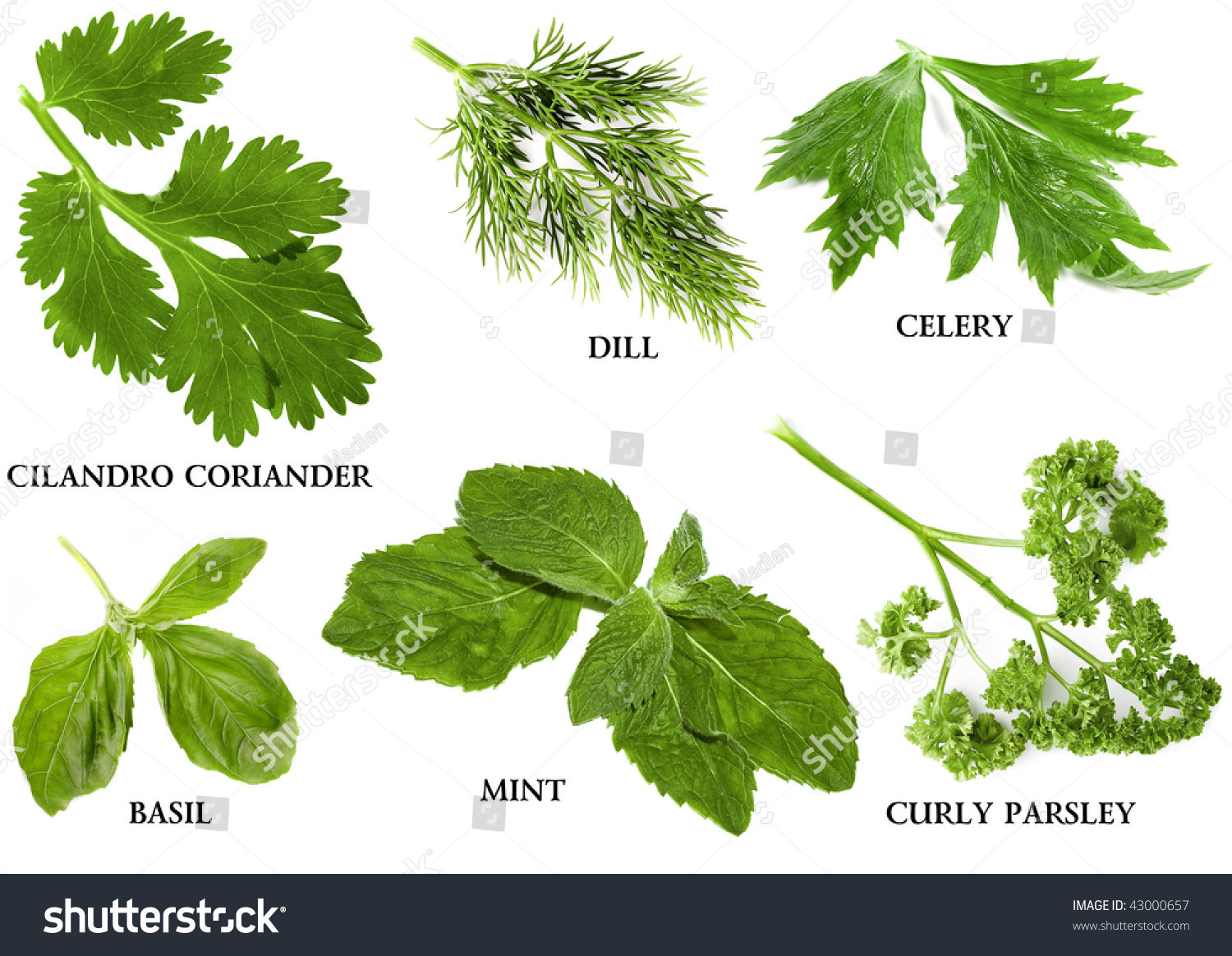
Tired of that shady corner of your garden looking bleak? Think you can only grow herbs in full, glorious sunshine? Think again! Many fantastic herbs thrive with minimal sunlight, offering a burst of flavor and fragrance even in the shadiest spots. Let’s unlock the secrets to a lush, vibrant herb garden, no matter how little sun you get.
Why should you consider growing herbs in the shade? Well, for starters, it expands your gardening possibilities! You're no longer limited by sun exposure. Shade-loving herbs often have a more delicate flavor, perfect for adding nuanced notes to your culinary creations. Plus, many are incredibly easy to grow, making them ideal for beginner gardeners or those with limited time. Imagine fresh mint for your mojitos, flavorful parsley for your pasta, or calming lemon balm for your tea, all harvested from a shady spot just outside your door. It's a game-changer for both your cooking and your gardening satisfaction.
Best Herbs That Grow in Shade Easily
Now, let's dive into the stars of the shade garden! These herbs are not only tolerant of low-light conditions, but they oftenpreferit, saving you from baking them in direct sun.
Mint: A classic for a reason. Mint thrives in partial to full shade. In fact, too much sun can actually scorch its leaves. Its vigorous growth habit means it can quickly fill in shady areas. Plant it in a container, though, unless you want it taking over your entire garden! Peppermint, spearmint, chocolate mint – the variations are endless, each with its own unique flavor profile.
Parsley: Both flat-leaf (Italian) and curly parsley do well in partial shade. They need at least a few hours of sunlight each day, but they'll happily tolerate shadier conditions, especially during the hottest part of the afternoon. Parsley is a biennial, meaning it will flower in its second year, at which point the leaf production declines.
Chives: These onion-flavored beauties can handle a surprising amount of shade. While they'll flower more prolifically with more sun, they'll still produce plenty of flavorful leaves in partial shade. Snip them regularly to encourage new growth.
Lemon Balm: A member of the mint family, lemon balm shares mint's love of shade. It has a delightful lemony scent and flavor, perfect for teas, desserts, and even savory dishes. Like mint, it can be a vigorous grower, so consider containing it.
Cilantro: This herb bolts (goes to seed) quickly in hot, sunny conditions. Growing it in partial shade helps to extend its growing season and prevent it from bolting prematurely, giving you more time to enjoy its fresh, vibrant flavor.
Sweet Woodruff: This lesser-known herb is a fantastic groundcover for shady areas. It has delicate, star-shaped leaves and a sweet, vanilla-like scent. It's often used to flavor May wine and other beverages.
Tarragon (French): While it appreciates some sun, French tarragon can tolerate partial shade, especially in hotter climates. Its anise-like flavor is a wonderful addition to sauces, chicken, and fish dishes. Note that Russian tarragon is much less flavorful and more tolerant of poor conditions.
Ginger: Although typically thought of as a tropical plant, ginger can be grown in partial shade in many temperate climates. It needs warm temperatures and moist soil to thrive, but it doesn't require direct sunlight.
Tips for Growing Herbs Successfully in the Shade
Even the best herbs for shade need a little help to thrive. Here are some key factors to consider: Soil: Good drainage is crucial. Soggy soil is a recipe for root rot, especially in shady areas where the soil stays moist longer. Amend your soil with compost or other organic matter to improve drainage and fertility. Watering: While shade reduces evaporation, it's still important to water your herbs regularly, especially during dry spells. Check the soil moisture before watering and avoid overwatering. Air Circulation: Stagnant air can lead to fungal diseases. Make sure your herbs have good air circulation by spacing them properly and pruning them regularly. Fertilizing: Herbs grown in the shade may need a little extra boost of nutrients. Fertilize them with a balanced organic fertilizer every few weeks. Harvesting:Regular harvesting encourages new growth and keeps your herbs productive. Don't be afraid to snip off leaves, even if you don't need them right away. You can dry or freeze them for later use.
Can herbs really grow indoors in winter?
Absolutely! Many of the herbs listed above, like mint, parsley, chives, and lemon balm, can be successfully grown indoors during the winter months. The key is to provide them with adequate light. A sunny windowsill is ideal, but if you don't have one, you can supplement with a grow light. Make sure to rotate the pots regularly to ensure even growth. Indoors, it’s even more important to monitor watering closely and avoid overwatering.
Which herbs grow faster in pots?
Herbs like mint, chives, and parsley are known for their relatively fast growth rates in containers. This makes them ideal for container gardening, especially in smaller spaces. Cilantro also grows quickly, but remember it tends to bolt in warmer temperatures. Using a good quality potting mix and providing adequate water and nutrients will maximize growth rates.
What if my herbs are leggy and pale in the shade?
If your herbs are looking leggy (long, stretched stems) and pale, it's a sign they're not getting enough light. Even shade-tolerant herbs needsomelight. Try moving them to a slightly brighter location or supplementing with a grow light. Pruning back the leggy stems can also encourage bushier growth. Ensure the soil is properly draining, as overwatering can also contribute to pale leaves.
Creative Ways to Incorporate Shade-Loving Herbs
Beyond the traditional herb garden, there are so many creative ways to incorporate these shade-loving plants into your landscape and your life: Shady Container Gardens: Create beautiful container gardens using a mix of shade-tolerant herbs and other shade-loving plants, like hostas, ferns, and impatiens. Groundcover Alternatives: Sweet woodruff makes a beautiful and fragrant groundcover in shady areas where grass struggles to grow. Underplanting Trees and Shrubs: Plant shade-tolerant herbs under trees and shrubs to fill in bare spots and add interest to the landscape. Indoor Herb Gardens: Bring the freshness of herbs indoors by growing them in containers on windowsills or under grow lights. DIY Herbal Teas: Brew your own herbal teas using fresh or dried herbs like mint, lemon balm, and chamomile. Homemade Herbal Remedies: Explore the medicinal properties of herbs and create your own natural remedies, like salves, tinctures, and infusions.
Embrace the possibilities of shady gardening! Don't let a lack of direct sunlight limit your herb-growing dreams. With a little knowledge and experimentation, you can create a thriving and flavorful herb garden, even in the shadiest corners of your yard. Start small, be patient, and enjoy the journey of discovering the wonderful world of shade-loving herbs. Now get out there and get growing!
Post a Comment for "Herbs That Grow in Shade Easily"