Container Growing Herbs: A Survival Guide for Beginners
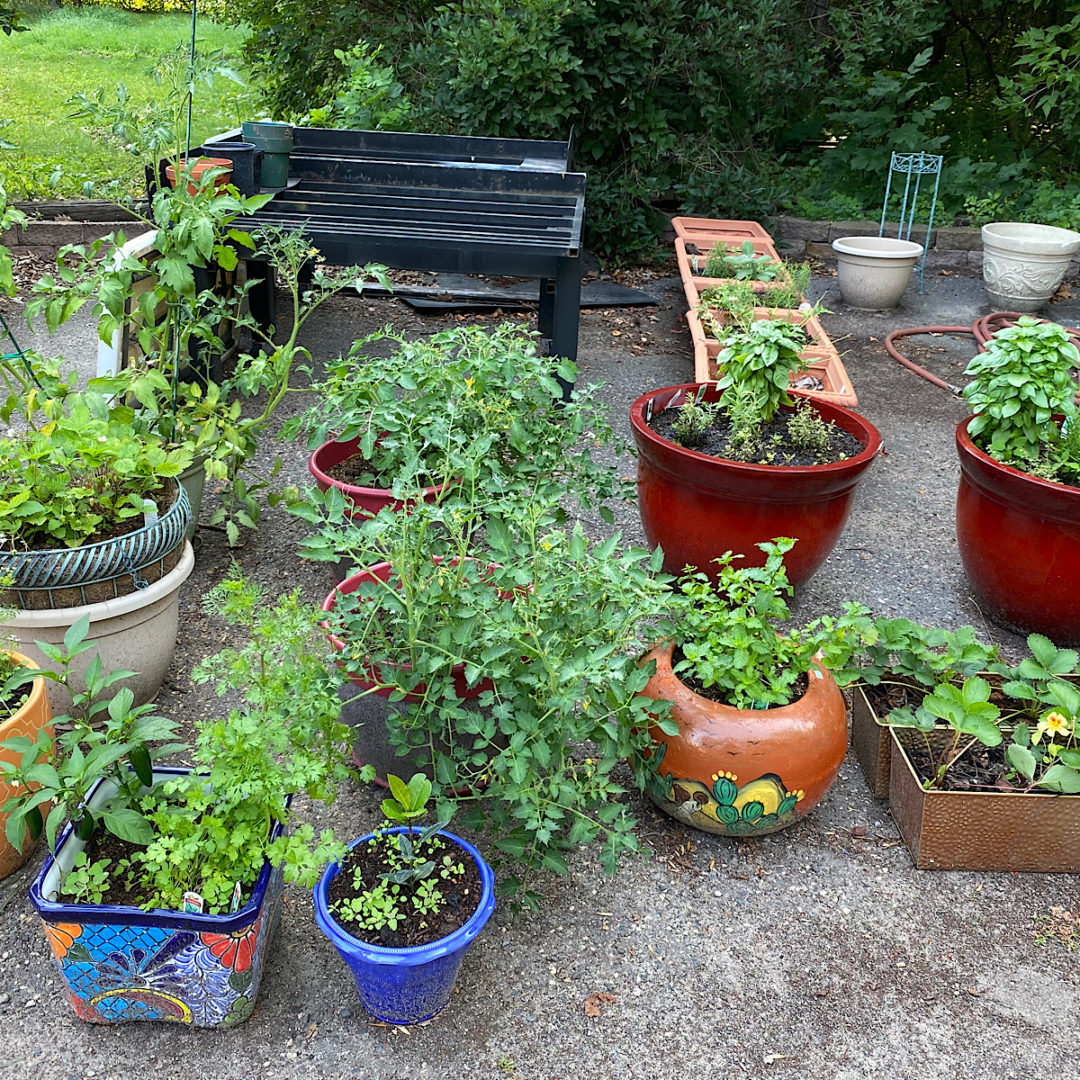
Imagine fresh basil snipped straight from your windowsill, ready to transform a simple pasta dish into a culinary masterpiece. Or the soothing scent of lavender wafting through your kitchen, a constant reminder of the calming cup of tea you can brew anytime. This dream of fresh herbs at your fingertips is completely achievable, even if you don't have a sprawling garden. Container growing herbs is the answer!
Growing herbs in containers is a fantastic way to bring fresh flavors and aromas into your life, regardless of your living space. Whether you have a sunny balcony, a small patio, or just a bright windowsill, you can cultivate a thriving herb garden. Not only does it provide you with fresh ingredients for cooking and crafting, but it also adds a touch of greenery and natural beauty to your home. Plus, it's incredibly rewarding to nurture plants from tiny seedlings to flourishing, fragrant herbs. This Container Growing Herbs: A Survival Guide for Beginners will give you everything you need to get started.
Choosing the Right Herbs for Containers
Selecting the right herbs is crucial for successful container gardening. Not all herbs thrive in pots, so it’s important to choose varieties that are well-suited to container life. Think about the amount of sunlight your space receives and choose herbs accordingly.
Here are some of the best herbs to grow in containers: Basil: This sun-loving herb is a must-have for any kitchen garden. Choose compact varieties like ‘Spicy Globe’ or ‘Dwarf’ basil for smaller containers. Mint: Mint spreads aggressively in the ground, making it an ideal candidate for container growing. Be sure to give it its own pot, as it can quickly overwhelm other herbs. Chives: These onion-flavored herbs are easy to grow and add a delicate flavor to salads, soups, and dips. Parsley: Both curly and flat-leaf parsley thrive in containers. Parsley is a biennial, but usually grown as an annual. Thyme: This hardy herb comes in many varieties, from creeping thyme to lemon thyme, and is perfect for adding flavor to savory dishes. Rosemary: Rosemary is a woody perennial that can grow quite large, so choose a larger container for it. It prefers well-drained soil and plenty of sunshine. Oregano: Another Mediterranean favorite, oregano is easy to grow and adds a robust flavor to Italian and Greek dishes. Cilantro: Cilantro prefers cooler temperatures and can bolt (go to seed) quickly in hot weather. Plant it in partial shade and water regularly.
Consider your culinary preferences and choose herbs that you’ll actually use. Don't be afraid to experiment with different varieties to find your favorites!
Essential Supplies and Setting Up Your Container Herb Garden
Before you start planting, you'll need to gather a few essential supplies. Having everything on hand will make the process smoother and more enjoyable.
Containers: Choose pots that are at least 6-8 inches in diameter, with drainage holes. Terra cotta pots are classic and allow for good airflow, but plastic pots are lighter and retain moisture better. Consider the mature size of the herbs you're planting when selecting pot sizes. Potting Mix: Use a high-quality potting mix that is specifically formulated for containers. Garden soil is too heavy and compacts easily, which can suffocate the roots. A good potting mix will provide adequate drainage and aeration. Watering Can or Hose: You'll need a way to water your herbs regularly. A watering can with a long spout is ideal for reaching plants in hanging baskets or on shelves. Fertilizer: Herbs benefit from regular feeding, especially when grown in containers. Use a balanced liquid fertilizer diluted to half strength every 2-4 weeks. Hand Trowel: A small hand trowel is essential for planting and transplanting herbs. Plant Labels: Labeling your herbs will help you keep track of what you've planted and avoid any confusion later on. Location:Choose a location that receives the appropriate amount of sunlight for the herbs you're growing. Most herbs need at least 6 hours of sunlight per day.
Once you have your supplies, it's time to set up your container herb garden. Start by filling your containers with potting mix, leaving about an inch of space at the top. Gently remove the herbs from their nursery pots and loosen the roots before planting them in the containers. Water thoroughly after planting.
Can herbs really grow indoors in winter?
Yes, absolutely! Many herbs can thrive indoors during the winter months, provided they receive enough light. A sunny windowsill facing south or west is ideal. If you don't have enough natural light, consider using a grow light to supplement. Common herbs that do well indoors include chives, mint, parsley, oregano, and thyme. Remember to adjust your watering schedule, as indoor plants tend to dry out more slowly than outdoor plants.
Caring for Your Container Herb Garden
Proper care is essential for maintaining a healthy and productive container herb garden. This includes watering, fertilizing, pruning, and pest control.
Watering: Water your herbs regularly, especially during hot, dry weather. Check the soil moisture by sticking your finger into the soil. If the top inch feels dry, it's time to water. Avoid overwatering, as this can lead to root rot. Fertilizing: Feed your herbs with a balanced liquid fertilizer every 2-4 weeks. Dilute the fertilizer to half strength to avoid burning the roots. Pruning: Pruning your herbs regularly encourages bushier growth and prevents them from becoming leggy. Pinch off the tips of the stems to promote branching. You can also prune your herbs to harvest them for cooking or crafting. Pest Control: Container herbs are generally less susceptible to pests than herbs grown in the ground. However, it's still important to be vigilant and check your plants regularly for signs of infestation. Common pests include aphids, spider mites, and whiteflies. You can control these pests by spraying your plants with insecticidal soap or neem oil. Sunlight: Most herbs need at least 6 hours of sunlight per day. If you're growing your herbs indoors, place them in a sunny windowsill or under a grow light. Repotting: As your herbs grow, they may need to be repotted into larger containers. This will provide them with more space for their roots to grow and allow them to continue thriving.
By following these simple care tips, you can keep your container herb garden healthy and productive all season long.
Which herbs grow faster in pots?
Some herbs are naturally faster growers than others, making them particularly satisfying to cultivate in containers. Basil, mint, and cilantro are known for their rapid growth. Chives and parsley also establish themselves quickly and provide a steady supply of fresh leaves. If you’re looking for instant gratification, these herbs are a great place to start!
Harvesting and Using Your Fresh Herbs
One of the greatest joys of growing your own herbs is being able to harvest them fresh and use them in your cooking, crafting, and other projects.
Harvesting: Harvest your herbs regularly to encourage continued growth. Use scissors or pruning shears to snip off the stems or leaves. Harvest in the morning, after the dew has dried, for the best flavor. Using Fresh Herbs: Fresh herbs can be used in a variety of ways. Add them to salads, soups, sauces, and dips. Use them to flavor meats, vegetables, and grains. Garnish your dishes with fresh herbs for a pop of color and flavor. Drying Herbs: If you have more herbs than you can use fresh, you can dry them for later use. Tie the stems together in small bundles and hang them upside down in a cool, dry place. Alternatively, you can dry the leaves in a dehydrator or oven. Freezing Herbs: Another option for preserving herbs is to freeze them. Chop the herbs and place them in ice cube trays with water or olive oil. Once frozen, transfer the cubes to a freezer bag.
What are the best shade-loving herbs for containers?
Not everyone has a sunny balcony or patio. The good news is that some herbs thrive in partial shade, making them perfect for containers in less sunny locations. Mint is a champion shade-lover, along with parsley and chives. Lemon balm and oregano can also tolerate partial shade. While they might not grow as vigorously as they would in full sun, these herbs will still provide you with fresh flavor and fragrance.
Growing herbs in containers is a rewarding experience that brings fresh flavors and aromas into your home. With a little planning and care, you can cultivate a thriving herb garden, even if you're a beginner. So, grab some pots, potting mix, and your favorite herb seeds or seedlings, and get ready to embark on a flavorful journey! Don't be afraid to experiment and learn as you go. The world of container herb gardening is vast and exciting, and there's always something new to discover.
Post a Comment for "Container Growing Herbs: A Survival Guide for Beginners"