Indoor Herbs to Grow That Are Harder to Kill
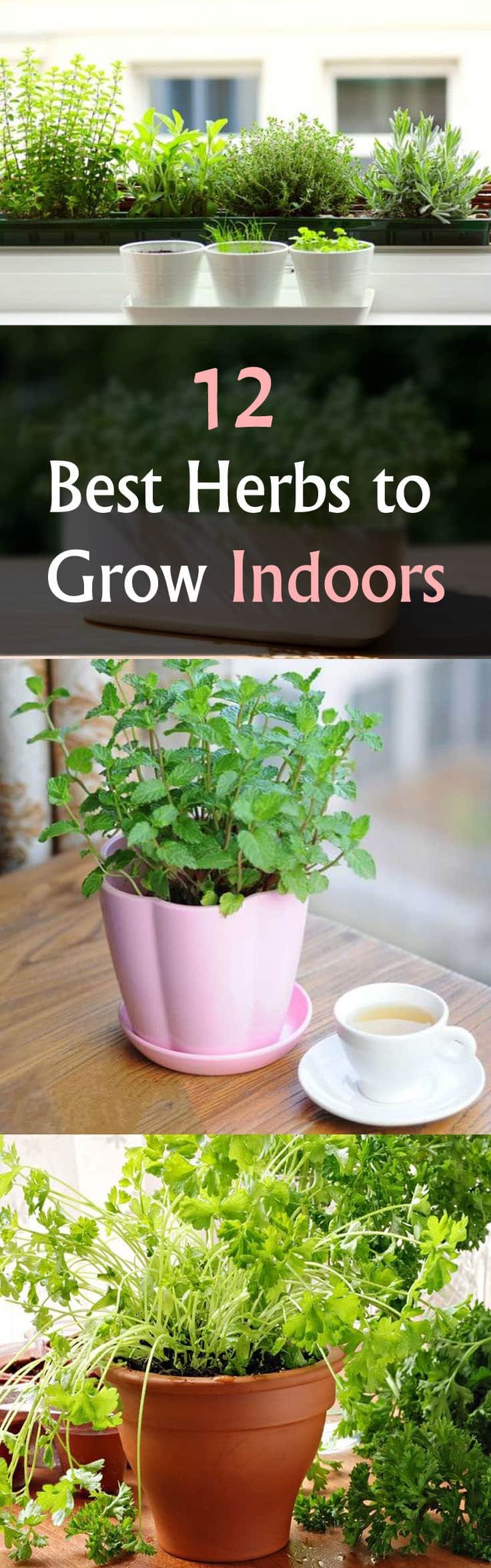
So, you're dreaming of fresh pesto, flavorful sauces, and fragrant teas, all year round? Bringing the garden indoors is a fantastic way to have culinary and wellness herbs at your fingertips, regardless of the season. But maybe you've tried before and ended up with sad, droopy stems instead of a thriving indoor oasis. Don't worry; it happens to the best of us! The secret is choosing the right herbs – the resilient, forgiving types that practically thrive on neglect.
Growing your own indoor herbs elevates your cooking from ordinary to extraordinary. Imagine snipping fresh basil to top your homemade pizza, or adding a sprinkle of rosemary to roast chicken on a chilly evening. Beyond the kitchen, the aromatherapy benefits of having herbs indoors are significant. The simple act of brushing against lavender or mint releases calming and uplifting scents, creating a more relaxing and inviting home environment. And let’s not forget the sheer joy of nurturing something green, especially during those long winter months! This guide is all about setting you up for success, focusing on indoor herbs to grow that are harder to kill, even if you're a beginner.
Hardy Herb Heroes: The Easiest Indoor Herbs to Grow
Ready to get your hands dirty? These herbs are known for their resilience and ability to adapt to indoor conditions. They're perfect for beginners or anyone who wants a low-maintenance indoor garden.
Mint: This vibrant herb is incredibly easy to grow, sometimes eventooeasy! It spreads quickly, so definitely keep it contained in a pot. Mint prefers bright, indirect light and consistently moist soil. There are many varieties to choose from, from classic peppermint to spearmint and even chocolate mint! Snip off leaves regularly to encourage bushier growth. A word of caution: Mint can become invasive if planted directly into the garden, so container gardening is highly recommended for this enthusiastic grower.
Chives: These onion-flavored beauties are surprisingly tolerant of neglect. They prefer well-drained soil and at least 4-6 hours of sunlight per day, but can tolerate less. Water when the top inch of soil feels dry. Chives are also incredibly versatile in the kitchen, adding a mild oniony flavor to everything from scrambled eggs to baked potatoes. Plus, their pretty purple flowers are edible too!
Oregano: This Mediterranean staple is another tough cookie. It thrives in bright, sunny locations and prefers to dry out slightly between waterings. Overwatering is its biggest enemy! Oregano comes in several varieties, including Greek, Italian, and Mexican, each with its unique flavor profile. Pinch back the stems regularly to encourage a bushier plant and prevent it from getting leggy.
Rosemary: With its distinctive piney fragrance, rosemary is a wonderful addition to any indoor herb garden. It loves sunshine (at least 6-8 hours a day) and well-drained soil. Allow the soil to dry out completely between waterings to prevent root rot. Rosemary can be a bit slower growing than other herbs, but it's well worth the wait. Place it near a sunny window or supplement with a grow light.
Thyme: Similar to rosemary, thyme prefers sunny, well-drained conditions. It's a low-growing herb that comes in many varieties, including English thyme, lemon thyme, and creeping thyme. Allow the soil to dry out between waterings and avoid overwatering. Thyme is a fantastic culinary herb, adding a savory flavor to soups, stews, and roasted vegetables.
Parsley: Both curly and flat-leaf parsley are relatively easy to grow indoors. They prefer bright, indirect light and consistently moist soil. Parsley is a biennial, meaning it completes its life cycle in two years. In the second year, it will flower and produce seeds, but the leaves may become bitter. To prolong its life, pinch off the flower buds as they appear.
Essential Care Tips for Your Indoor Herb Garden
Now that you know which herbs are the easiest to grow, let's talk about how to care for them. Even the hardiest herbs need a little love to thrive indoors! These container gardening tips will help keep your indoor herb garden flourishing.
Light: Most herbs need at least 6 hours of sunlight per day. Place your herbs near a sunny south-facing window, or supplement with a grow light if necessary. If you notice your herbs are looking pale or leggy (long, spindly stems), they're probably not getting enough light.
Watering: Overwatering is the most common mistake when growing herbs indoors. Allow the soil to dry out slightly between waterings. When you do water, water thoroughly until the water drains out of the bottom of the pot. Use your finger to check the moisture level of the soil before watering.
Soil: Use a well-draining potting mix specifically designed for containers. Avoid using garden soil, as it can become compacted and waterlogged in pots.
Fertilizing: Herbs don't need a lot of fertilizer, but a light feeding every few weeks can help them thrive. Use a balanced liquid fertilizer diluted to half strength.
Pruning: Regular pruning is essential for keeping your herbs healthy and productive. Pinch off the tips of the stems regularly to encourage bushier growth. Remove any dead or yellowing leaves.
Potting: Choose pots that are appropriately sized for your herbs. Make sure the pots have drainage holes to prevent waterlogging. As your herbs grow, you may need to repot them into larger containers.
Can herbs really grow indoors in winter?
Absolutely! With the right conditions, many herbs can thrive indoors throughout the winter. The key is to provide enough light, warmth, and humidity. South-facing windows are ideal, but if you don't have one, a grow light can make a big difference. Also, consider grouping your plants together to increase humidity or using a humidifier. Avoid placing your herbs near drafty windows or heating vents, as this can dry them out.
Which herbs grow faster in pots?
Generally, herbs like mint, chives, and basil tend to grow quite quickly in pots. Their faster growth rate means you can enjoy more frequent harvests. However, remember that faster growth also requires more frequent watering and potentially more frequent fertilizing, depending on your chosen potting mix. Regular harvesting is also key to encouraging continued growth and preventing these herbs from becoming leggy.
What are some shade-loving herbs I can grow inside?
While most herbs prefer a good amount of sunlight, some can tolerate partial shade. Mint, parsley, and chives can do well with less direct sunlight. However, even these shade-tolerant herbs will need some light to thrive. If you don't have a sunny window, consider using a grow light to supplement their light needs. Remember to monitor your herbs for signs of stress, such as yellowing leaves or leggy growth, and adjust their light exposure accordingly.
Troubleshooting Common Indoor Herb Problems
Even with the easiest herbs, you might encounter a few challenges along the way. Here are some common problems and how to fix them: Yellowing leaves:This can be caused by overwatering, underwatering, nutrient deficiencies, or pests. Check the soil moisture and adjust your watering accordingly. If the soil is dry, water thoroughly. If the soil is wet, allow it to dry out completely before watering again. If the problem persists, try fertilizing with a balanced liquid fertilizer.
Leggy growth: This is usually a sign of insufficient light. Move your herbs to a sunnier location or supplement with a grow light. Pinch back the stems to encourage bushier growth.
Pests: Aphids, spider mites, and whiteflies are common indoor herb pests. Inspect your plants regularly for signs of infestation. If you find pests, try washing them off with a strong stream of water or using an insecticidal soap.
Mold: Mold can grow on the surface of the soil if it's too wet. Improve air circulation around your plants and allow the soil to dry out between waterings. You can also try sprinkling cinnamon on the soil surface, as it has antifungal properties.
Don't be afraid to experiment! Every home environment is different, so what works for one person may not work for another. The key is to pay attention to your herbs and adjust your care routine as needed. With a little patience and persistence, you'll be enjoying fresh, homegrown herbs in no time! So get planting, get creative in the kitchen, and experience the joy of cultivating your own little indoor herb garden. Happy growing!
Post a Comment for "Indoor Herbs to Grow That Are Harder to Kill"