Tomato Seedling Care with Gentle Organic Sprays
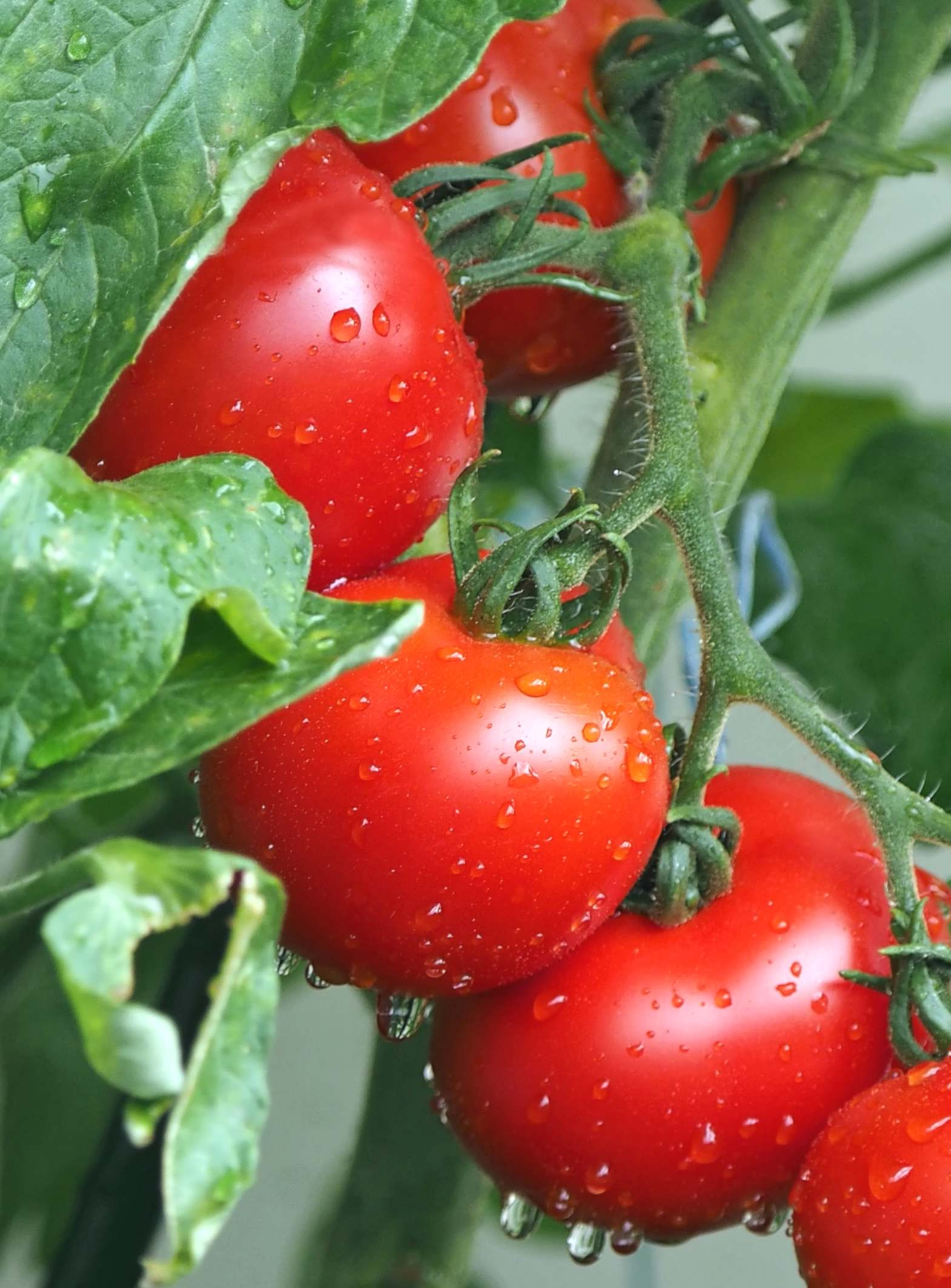
Ever nurture a tiny tomato seedling, dreaming of juicy, sun-ripened fruit, only to see it succumb to disease or pests? It's a heartbreaking experience familiar to many gardeners. But don't despair! With the right approach and a few gentle organic sprays, you can significantly improve your tomato seedling care and ensure a bountiful harvest.
Why is focusing on gentle, organic methods so crucial for tomato seedling care? Beyond the obvious benefits of avoiding harsh chemicals, these techniques foster stronger, healthier plants from the start. Robust seedlings are more resilient against pests and diseases, leading to increased yields and tastier tomatoes. Plus, you'll be contributing to a healthier ecosystem in your garden, benefiting pollinators and beneficial insects alike. Knowing you're nurturing your food organically just makes those BLTs taste even better!
The Foundation: Setting Up Your Tomato Seedlings for Success
Before we even think about sprays, let's lay the groundwork for healthy growth. This starts with selecting the right seeds and creating the ideal environment.
Seed Selection: Opt for disease-resistant varieties whenever possible. Read seed packet descriptions carefully to choose varieties suited to your climate and growing conditions. Heirloom varieties offer unique flavors and stories, but might require a bit more attention.
Starting Mix Matters: Avoid using garden soil for starting seeds. It's often too heavy and can harbor diseases. Instead, choose a sterile seed-starting mix or create your own by combining peat moss, vermiculite, and perlite.
Proper Drainage: Ensure your seedling containers have adequate drainage. Soggy soil is a breeding ground for fungal diseases.
Light is Key: Tomato seedlings need plenty of light to prevent legginess (tall, weak stems). If you're starting seeds indoors, use grow lights positioned a few inches above the seedlings. Adjust the height as the plants grow. Aim for 14-16 hours of light per day.
Consistent Watering: Keep the soil consistently moist, but not waterlogged. Water from the bottom to encourage strong root growth and prevent damping-off disease. A spray bottle can be helpful for gentle watering.
Temperature Control: Tomato seeds germinate best in warm temperatures (70-80°F). Use a heat mat to speed up germination. Once seedlings emerge, a slightly cooler temperature (65-75°F) is ideal.
Gentle Organic Sprays: Your Tomato Seedling's Best Friend
Now, let's dive into the world of gentle organic sprays. These solutions can help protect your seedlings from common pests and diseases without resorting to harsh chemicals. Remember to always test any spray on a small area of one plant first to ensure it doesn't cause any adverse reactions.
Neem Oil: This is a broad-spectrum insecticide, miticide, and fungicide derived from the neem tree. It's effective against aphids, whiteflies, spider mites, and various fungal diseases. Apply neem oil in the early morning or late evening to avoid burning the leaves in direct sunlight. Follow the instructions on the product label for dilution rates. Neem oil is also great preventative measure for other plants like basil or rosemary, some of the best herbs to grow in containers.
Insecticidal Soap: Another effective treatment for soft-bodied insects like aphids, whiteflies, and spider mites. Insecticidal soap works by disrupting the insect's cell membranes. Again, follow the product label carefully and apply in the early morning or late evening.
Bacillus thuringiensis (Bt): This is a naturally occurring bacteria that targets specific pests, particularly caterpillars and other leaf-eating larvae. It's safe for beneficial insects, birds, and mammals. Apply Bt as a spray to the foliage. It’s also helpful for other plants commonly affected by caterpillars.
Homemade Garlic Spray: Garlic has natural insect-repellent properties. To make a garlic spray, crush several cloves of garlic and steep them in water for 24 hours. Strain the mixture and dilute it with water before spraying. This can deter aphids and other pests.
Chamomile Tea Spray: A weak chamomile tea spray can help prevent damping-off disease, a common fungal infection that affects young seedlings. Simply brew a cup of chamomile tea, let it cool, and dilute it further with water before spraying.
Application Tips
Prevention is key: Start spraying your seedlings preventatively, even before you see signs of pests or diseases. Spray thoroughly: Make sure to cover all parts of the plant, including the undersides of the leaves. Repeat applications: Reapply sprays every 7-10 days, or more frequently if needed, especially after rain. Consider a foliar feed: Add a liquid kelp extract to your spray to provide essential nutrients and boost plant health.
Troubleshooting Common Tomato Seedling Problems
Even with the best care, problems can still arise. Here's how to troubleshoot some common issues: Leggy Seedlings:As mentioned earlier, legginess is usually caused by insufficient light. Provide more light or move your seedlings closer to the light source. You can also gently brush the seedlings with your hand a few times a day to encourage stronger stem development.
Damping-Off Disease: This fungal disease causes seedlings to collapse and die. Prevent it by using sterile seed-starting mix, providing good drainage, and avoiding overwatering. If you see signs of damping-off, remove the affected seedlings immediately to prevent the spread of the disease. Chamomile tea spray can also help.
Yellowing Leaves: Yellowing leaves can indicate several problems, including nutrient deficiencies, overwatering, or underwatering. Check the soil moisture and adjust your watering accordingly. If the yellowing persists, consider fertilizing with a diluted liquid fertilizer.
Pest Infestations: Regularly inspect your seedlings for pests. If you find aphids, whiteflies, or other insects, treat them with neem oil or insecticidal soap.
Can I make my own organic sprays?
Yes, absolutely! Many effective organic sprays can be made at home using simple ingredients. Besides the garlic spray mentioned above, you can also make a pepper spray by boiling hot peppers in water, straining the mixture, and diluting it before spraying. A baking soda spray (baking soda mixed with water and a little liquid soap) can help control fungal diseases. Just remember to test any homemade spray on a small area first.
What are the best herbs to grow alongside my tomatoes to help with pest control?
Companion planting can be a powerful tool for pest management. Basil is a classic companion for tomatoes, as it repels aphids, whiteflies, and tomato hornworms. Marigolds are also effective at repelling nematodes and other soil pests. Other beneficial herbs to grow near tomatoes include rosemary, thyme, and oregano. These herbs not only deter pests but also attract beneficial insects like ladybugs and lacewings, which prey on aphids and other harmful insects. Some of these even make great shade-loving herbs if placed correctly.
When should I start hardening off my tomato seedlings?
Hardening off is the process of gradually acclimating your seedlings to outdoor conditions before transplanting them into the garden. Start hardening off your seedlings about a week or two before your expected transplant date. Begin by placing them in a sheltered spot outdoors for a few hours each day, gradually increasing the amount of time they spend outside. Protect them from direct sunlight, strong winds, and frost. Bring them back indoors at night. By the end of the week, they should be able to tolerate full sun and overnight temperatures without any problems. This step is essential for ensuring a successful transplant and strong, healthy plants. Container gardening tips often skip this stage, so be sure to remember it!
Taking care of tomato seedlings can feel like a delicate balancing act, but with these gentle organic sprays and a little patience, you can protect your plants from pests and diseases without resorting to harsh chemicals. Embrace the journey, experiment with different techniques, and enjoy the satisfaction of growing your own delicious, homegrown tomatoes. The rewards of a healthy, thriving garden are well worth the effort!
Post a Comment for "Tomato Seedling Care with Gentle Organic Sprays"