How to Use Baking Soda to Fight Tomato Plant Fungus
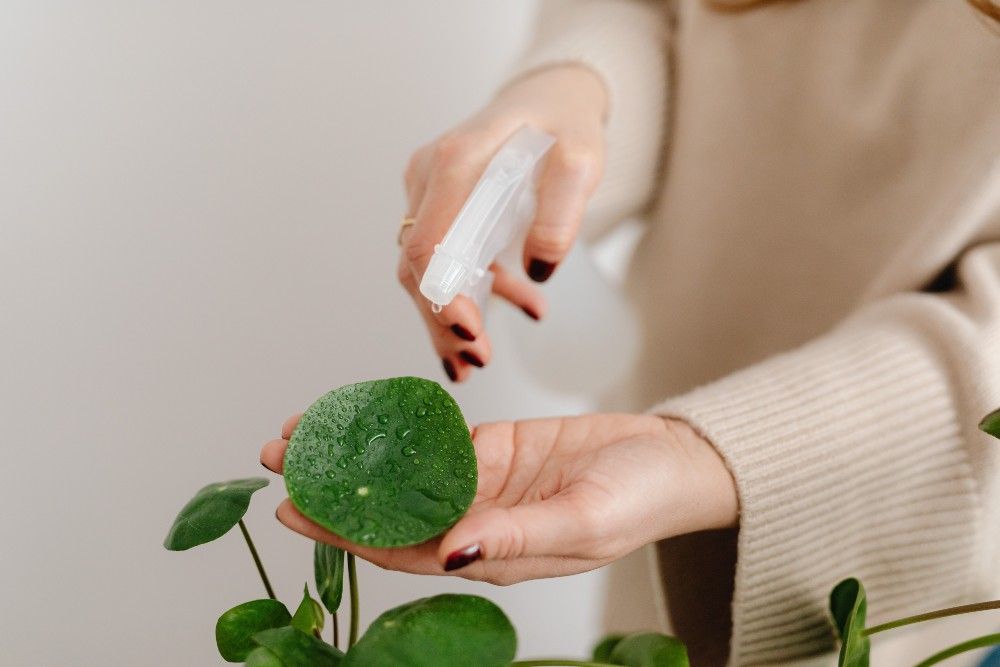
Is your tomato crop looking a little…unhappy? Seeing spots, powdery mildew, or other signs of fungal disease on your precious tomato plants can be disheartening, especially after all the effort you've put in. But don't despair! There's a simple, readily available solution you probably already have in your kitchen: baking soda.
Using baking soda to combat tomato plant fungus is an age-old gardening trick that can save your harvest without resorting to harsh chemicals. It's a cost-effective and environmentally friendly way to keep your plants healthy and productive. Plus, healthy tomato plants mean more delicious, homegrown tomatoes for salads, sauces, and all your favorite summer dishes! Imagine the satisfaction of knowing you nurtured those vibrant red orbs from tiny seedlings to juicy fruits, all while using a natural remedy. Beyond tomatoes, understanding basic antifungal techniques opens doors to successfully cultivate even more of the best herbs to grow and enjoy.
Baking Soda to the Rescue: Understanding the Science
Baking soda, or sodium bicarbonate, works as a fungicide by altering the p H on the surface of the plant leaves. Fungi thrive in acidic environments. Baking soda, being alkaline, raises the p H, making it less hospitable for fungal spores to germinate and spread. It's not a cure-all, but it can be a very effective preventative measure and can slow down the progression of many common tomato plant fungal diseases. It's especially helpful against early blight, powdery mildew, and septoria leaf spot. When combined with other good gardening practices, like proper watering and ventilation, baking soda can be a powerful ally.
How to Mix Your Baking Soda Solution
The key to successfully using baking soda is creating the right solution. Too much baking soda can damage your plants, so precision is important. Here’s a tried-and-true recipe: Ingredients:
1 tablespoon of baking soda
1 gallon of water
1 teaspoon of liquid dish soap (optional, but helps the solution adhere to the leaves)
Instructions:
1.Combine: In a clean gallon container, dissolve the baking soda in the water. Stir well until fully dissolved.
2.Add Soap (Optional): If using, add the liquid dish soap. Choose a mild, unscented dish soap to avoid harming your plants. Again, stir gently.
3.Pour into Sprayer: Pour the solution into a clean spray bottle or garden sprayer.
4.Test First: Before spraying the entire plant, test the solution on a small area of the plant and wait 24 hours to ensure there are no adverse reactions like leaf burn.
Applying Your Baking Soda Solution
Timing and technique are critical for effective application.
Best Time to Apply: Apply your baking soda solution in the early morning or late evening, when the sun is not directly shining on your plants. This prevents the solution from burning the leaves.
Application Technique: Spray the solution thoroughly on all parts of the plant, including the tops and bottoms of the leaves, stems, and even the soil around the base of the plant. Pay special attention to areas where you’ve noticed signs of fungal infection.
Frequency: For preventative measures, spray every 7-14 days. If your plants are already infected, you may need to spray every 3-5 days until the infection is under control. Monitor your plants closely and adjust the frequency as needed.
Important Considerations:
Ventilation: Ensure your tomato plants have good air circulation. Prune away any crowded or yellowing leaves to improve airflow.
Watering: Avoid overhead watering, which can create a damp environment that encourages fungal growth. Water at the base of the plant.
Soil Health: Healthy soil is essential for healthy plants. Amend your soil with compost or other organic matter to improve drainage and nutrient content. Understanding the nutrient needs of your herbs is equally important as you delve into growing herbs, as they share many of the same requirements.
Limitations of Baking Soda
While baking soda is a helpful tool, it’s important to understand its limitations. It's primarily a preventative measure and can slow the spread of existing fungal infections, but it may not completely eradicate severe cases. In such cases, you might need to consider stronger, commercially available fungicides or other interventions. Furthermore, overusing baking soda can lead to a buildup of sodium in the soil, which can negatively impact plant growth over time. This is why careful dilution and monitoring are essential. Don't forget to explore companion planting! Certain herbs, like basil, can help deter pests and diseases from your tomato plants. Many are also shade-loving herbs, allowing you to diversify your garden and maximize space.
Can I use baking soda on other plants besides tomatoes?
Yes, baking soda can be used on a variety of plants to combat fungal diseases. Roses, cucumbers, squash, and even some fruits can benefit from a baking soda spray. However, it's crucial to test the solution on a small area first, as some plants are more sensitive than others. Avoid using it on acid-loving plants like blueberries and azaleas.
What are the signs of fungal diseases on tomato plants?
Common signs include: Powdery Mildew: White, powdery coating on leaves and stems. Early Blight: Dark brown spots on lower leaves that gradually spread upwards. Septoria Leaf Spot: Small, circular spots with dark borders and light centers on the lower leaves. Late Blight: Irregular, water-soaked spots on leaves and stems, often with a white, fuzzy growth on the underside of the leaves.
Are there any herbs I can grow indoors to help with tomato plant health?
While you can't directlygrowherbsonyour tomato plants (that would be quite a feat!), having certain herbs nearby, especially indoors if you're starting seedlings, can be beneficial. Basil is a classic companion plant for tomatoes, known to repel pests. Chives can deter aphids and other insects. Starting herbs indoors is a great way to extend your growing season and have fresh herbs readily available, regardless of the weather. Research indoor herb ideas to find the best options for your space and light conditions. A simple herb growing guide can point you in the right direction.
Beyond Baking Soda: A Holistic Approach to Tomato Care
While learning how to use baking soda to fight tomato plant fungus is helpful, remember that a healthy garden relies on a holistic approach. Providing your plants with optimal growing conditions, including adequate sunlight, well-draining soil, proper watering, and good air circulation, is the best defense against disease. Regularly inspect your plants for any signs of trouble and address issues promptly. Consider crop rotation to prevent the buildup of soilborne diseases. Explore companion planting to deter pests and diseases naturally. Embrace organic gardening practices to promote soil health and biodiversity. By combining these strategies with the occasional use of baking soda, you can create a thriving tomato garden that yields a bountiful harvest. And as you become more confident, you can experiment with container gardening tips to grow even more herbs and vegetables in limited spaces.
Gardening is an ongoing experiment, a journey of learning and discovery. Don’t be afraid to try new things, observe your plants closely, and adapt your approach as needed. With a little patience and persistence, you’ll be rewarded with a garden full of healthy, happy plants and a bounty of fresh, flavorful produce. Now, go forth and give that baking soda solution a try – your tomatoes (and your taste buds) will thank you!
Post a Comment for "How to Use Baking Soda to Fight Tomato Plant Fungus"