How to Prevent Aphids on Tomatoes with DIY Sprays
Ah, the taste of a sun-ripened tomato, fresh off the vine… there’s simply nothing like it! But the dream of juicy, red tomatoes can quickly turn into a nightmare if aphids decide to move in. These tiny sap-suckers can weaken your tomato plants, spread diseases, and leave you with a disappointing harvest. But fear not! You don’t need harsh chemicals to keep your tomatoes thriving. With a few simple ingredients and a little know-how, you can create effective DIY sprays to prevent aphids and keep your plants healthy and productive.
Why bother with homemade aphid sprays for your tomatoes? Well, beyond protecting your precious tomato crop, using natural methods aligns with a sustainable gardening philosophy. You'll avoid introducing harmful chemicals into your garden ecosystem, which can negatively impact beneficial insects like ladybugs and pollinators like bees. Plus, many of the ingredients you’ll need are likely already in your pantry or readily available at your local grocery store. And let's not forget the satisfaction of knowing you’re creating a healthy and thriving garden using natural, time-tested techniques! You'll not only be growing delicious tomatoes but also contributing to a healthier planet.
Understanding Aphids and Their Impact on Tomatoes
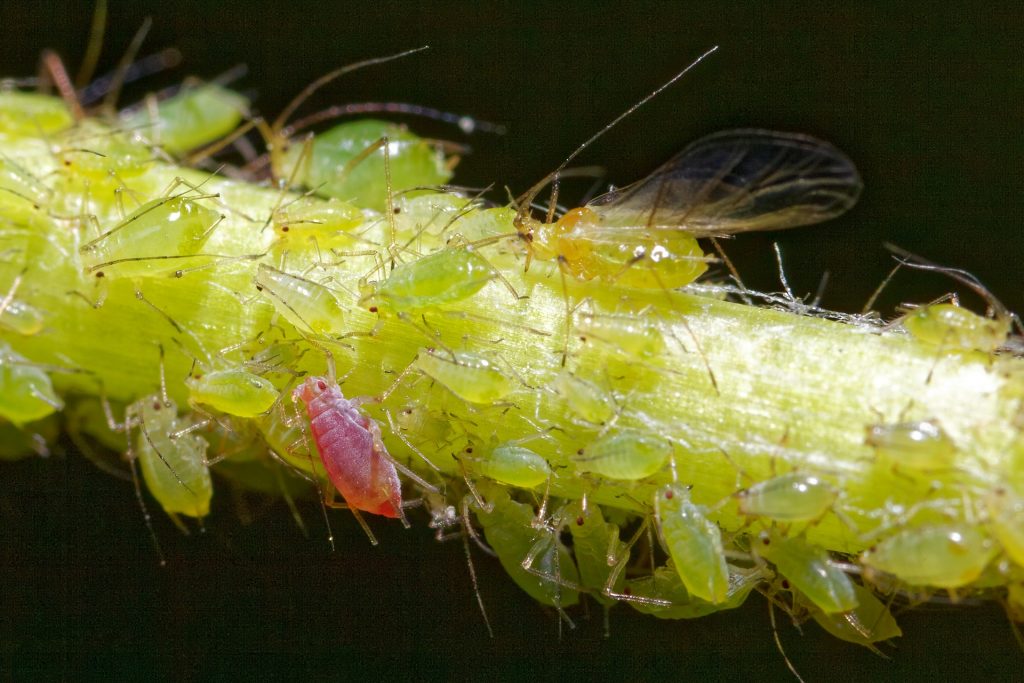
Before we dive into the DIY spray recipes, let's take a moment to understand our tiny adversaries. Aphids are small, soft-bodied insects that come in various colors, including green, yellow, black, and even pink. They cluster on the stems and undersides of leaves, using their piercing-sucking mouthparts to extract sap from the plant. This can lead to stunted growth, distorted leaves, and reduced fruit production. Aphids also secrete a sticky substance called honeydew, which attracts ants and can lead to the growth of sooty mold.
Aphids are particularly fond of tomatoes, especially young, tender growth. They reproduce rapidly, so a small infestation can quickly become a big problem. Early detection is key to preventing a major outbreak. Regularly inspect your tomato plants for signs of aphids, such as clusters of small insects, sticky residue, or distorted leaves.
DIY Aphid Sprays for Tomatoes: Natural Solutions
Here are a few effective DIY aphid sprays you can easily make at home: Soap Spray:This is one of the simplest and most effective aphid sprays. The soap disrupts the aphids' cell membranes, causing them to dehydrate and die.
Ingredients: 1-2 teaspoons of mild liquid soap (like castile soap or dish soap – avoid detergents with bleach or degreasers), 1 quart of water.
Instructions: Mix the soap and water in a spray bottle. Shake well to combine. Spray directly onto aphids, making sure to cover all affected areas, including the undersides of leaves. Repeat every few days as needed.
Neem Oil Spray: Neem oil is a natural insecticide derived from the neem tree. It disrupts the aphids' feeding and reproductive cycles, eventually leading to their demise.
Ingredients: 1 tablespoon of neem oil, 1/2 teaspoon of mild liquid soap (as an emulsifier), 1 quart of warm water.
Instructions: Mix the neem oil, soap, and water in a spray bottle. Shake well to combine. Spray directly onto aphids, making sure to cover all affected areas. Apply in the evening to avoid burning the leaves in direct sunlight. Repeat every week or two as needed. Neem oil is also effective against other garden pests.
Garlic Spray: Garlic has a strong odor that repels aphids and other pests.
Ingredients: 4 cloves of garlic, minced, 2 cups of water.
Instructions: Mince the garlic and let it sit in the water for at least 24 hours to allow the active compounds to infuse into the water. Strain the mixture through a cheesecloth or fine-mesh sieve. Add the garlic-infused water to a spray bottle. Spray directly onto aphids and surrounding foliage.
Pepper Spray: Similar to garlic, the spiciness of peppers can deter aphids. Always handle pepper spray with care.
Ingredients: 1 tablespoon of cayenne pepper powder, 1 quart of water, a few drops of liquid soap.
Instructions: Mix the cayenne pepper, water, and soap in a spray bottle. Shake well to combine. Spray directly onto aphids, taking care to avoid contact with your eyes and skin. Use caution when applying, as the spray can be irritating.
Preventative Measures: Beyond Sprays
While DIY sprays are effective for controlling aphids, prevention is always the best strategy. Here are some proactive measures you can take to keep aphids away from your tomato plants: Companion Planting: Certain plants can attract beneficial insects that prey on aphids or repel aphids altogether. Consider planting these alongside your tomatoes: Marigolds: These cheerful flowers release a compound that repels many pests, including aphids.
Nasturtiums: These edible flowers attract aphids away from your tomatoes, acting as a trap crop.
Dill, Fennel, and Parsley: These herbs attract beneficial insects like ladybugs, lacewings, and hoverflies, which are natural predators of aphids. Discover the best herbs to grow for your garden based on your local climate!
Regularly Inspect Plants: As mentioned earlier, early detection is key. Regularly inspect your tomato plants for signs of aphids, such as clusters of small insects, sticky residue, or distorted leaves.
Maintain Healthy Soil: Healthy plants are less susceptible to pests and diseases. Make sure your tomato plants are growing in well-draining soil that is rich in organic matter. Amend the soil with compost or aged manure before planting.
Water Plants Properly: Water your tomato plants deeply and regularly, but avoid overwatering. Overwatering can create conditions that are favorable for aphids.
Prune Tomato Plants: Pruning your tomato plants helps to improve air circulation and sunlight penetration, which can deter aphids and other pests.
Introduce Beneficial Insects: Encourage beneficial insects to visit your garden by providing them with food and shelter. You can purchase ladybugs, lacewings, or other beneficial insects online or at your local garden center.
What are the best herbs to grow alongside tomatoes for pest control?
Beyond marigolds, nasturtiums, dill, fennel, and parsley, consider planting basil and chives near your tomato plants. Basil repels aphids and tomato hornworms, while chives deter aphids and other pests with their strong scent. Companion planting isn’t only about pest control; it can also improve the overall health and flavor of your tomatoes.
Can container gardening tips help prevent aphids on tomatoes?
Absolutely! Growing tomatoes in containers allows you to control the soil quality and move plants away from infested areas if necessary. Be sure to use a well-draining potting mix and choose a container that is large enough for the tomato variety you are growing. Regular watering and fertilization are also important for keeping container-grown tomatoes healthy and resistant to pests.
Are there any shade-loving herbs that can help protect tomatoes from aphids?
While tomatoes themselves thrive in full sun, interplanting with shade-loving herbs at the base of the plants can still be beneficial. Mint, for example, prefers partial shade and its strong scent can help deter aphids. Be mindful of its spreading nature when planting. Other shade-tolerant herbs to consider include parsley and cilantro, although they primarily attract beneficial insects that prey on aphids rather than directly repelling them.
A Final Word of Encouragement
Preventing aphids on your tomatoes with DIY sprays is a rewarding and effective way to protect your plants and enjoy a bountiful harvest. Remember to experiment with different sprays and techniques to find what works best for your garden. Gardening is a journey of learning and discovery, so don't be afraid to try new things and embrace the challenges along the way. And remember, the best herb growing guide is the one written by your own experiences! Keep exploring, keep experimenting, and keep growing!
Post a Comment for "How to Prevent Aphids on Tomatoes with DIY Sprays"