Natural Sprays to Extend Tomato Harvest Season
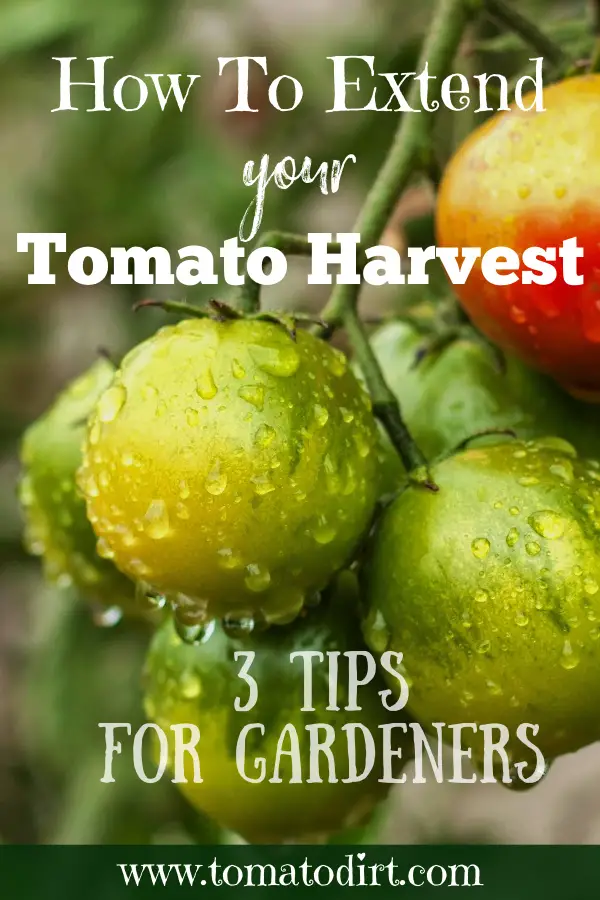
Picture this: It's late summer, your garden is overflowing with vibrant green tomato plants, and you're harvesting baskets full of juicy, sun-ripened tomatoes every day. But as the days get shorter and the nights get cooler, you might worry that your tomato party is about to end. Fear not, fellow gardeners! With a few simple tricks and, most importantly, some natural sprays, you can extend your tomato harvest season well into the fall.
Extending your tomato harvest means more delicious homegrown goodness for your table for a longer period. Think of the possibilities: more fresh salsa, flavorful sauces, and garden-fresh salads, all bursting with the taste of summer. Plus, extending the harvest saves you money on store-bought tomatoes, and you'll have the satisfaction of enjoying your own produce for longer. Using natural sprays not only benefits your tomato plants but also ensures that you're eating healthy, chemical-free food. It's a win-win for your garden and your health!
Natural Sprays: Your Secret Weapon for a Long Tomato Season
The key to extending your tomato harvest season lies in protecting your plants from the challenges of cooler weather and the pests and diseases that thrive in those conditions. This is where natural sprays come in handy. They provide a safe and effective way to boost your plants' health and resilience.
Blossom-End Rot Prevention: Calcium is Key
Blossom-end rot, that dreaded dark spot on the bottom of your tomatoes, is often caused by a calcium deficiency. While there might be enough calcium in the soil, the plants might struggle to absorb it due to inconsistent watering or other factors. A foliar spray of calcium can help.
DIY Calcium Spray: Mix one tablespoon of powdered milk (or calcium chloride, available at garden centers) in one gallon of water. Spray your tomato plants thoroughly, especially the developing fruits, every 7-10 days.
This provides a readily available source of calcium directly to the plant. Regular watering is also essential to help the plants absorb nutrients from the soil properly.
Fight Fungal Diseases: Bicarbonate to the Rescue
As temperatures drop and humidity increases, fungal diseases like early blight and late blight become more prevalent. These diseases can quickly decimate your tomato crop. Fortunately, a simple baking soda spray can help keep them at bay.
Baking Soda Spray: Dissolve one tablespoon of baking soda in one gallon of water. Add a teaspoon of liquid soap (like castile soap) to help the spray adhere to the leaves. Spray your tomato plants thoroughly, focusing on the undersides of the leaves, every 7-10 days.
Baking soda raises the p H on the surface of the leaves, creating an environment that is less favorable for fungal growth. It's a preventative measure, so start spraying before you see any signs of disease.
Boost Immunity: Compost Tea Power
Compost tea is a fantastic all-around tonic for your tomato plants. It's packed with beneficial microorganisms and nutrients that boost plant immunity and overall health.
Compost Tea: You can buy pre-made compost tea or easily make your own by steeping a bag of finished compost in water for 24-48 hours. Dilute the tea until it looks like weak tea, strain it, and spray your tomato plants thoroughly.
Compost tea is best applied in the morning, allowing the leaves to dry before the hottest part of the day. It's a gentle and effective way to promote healthy growth and ward off diseases. Using well-rotted compost in the garden beds to begin with is always a great first step.
Pest Control: Neem Oil Magic
Neem oil is a natural insecticide and fungicide that is effective against a wide range of pests and diseases that can plague tomato plants. It disrupts the feeding and reproductive cycles of insects, making it a valuable tool for organic gardeners.
Neem Oil Spray: Mix neem oil according to the manufacturer's instructions (usually about 2 tablespoons per gallon of water). Add a teaspoon of liquid soap to help the spray adhere to the leaves. Spray your tomato plants thoroughly, making sure to cover all surfaces, including the undersides of the leaves.
Neem oil is most effective when applied in the evening, as it can be harmful to beneficial insects if applied during the day. Avoid spraying during hot, sunny weather, as it can burn the leaves.
More Tips for Extending Your Tomato Harvest
Besides natural sprays, here are a few other things you can do to extend your tomato harvest season: Protect from Frost: Cover your tomato plants with blankets or frost cloths when frost is predicted. This will protect them from damage and allow them to continue ripening their fruits. Even a simple sheet can make a huge difference. Prune Strategically: Remove suckers (the shoots that grow between the main stem and branches) to encourage the plant to focus its energy on ripening existing fruits rather than producing new growth. Harvest Green Tomatoes: If a hard frost is imminent, harvest any remaining green tomatoes. They will ripen indoors if you place them in a paper bag with an apple or banana (which releases ethylene gas, a natural ripening agent). Choose Early Varieties: When planning your garden next year, select tomato varieties that mature early. This will give you a head start on the season and increase your chances of harvesting a larger crop before the weather turns cold.
Can herbs really grow indoors in winter?
Absolutely! Many herbs thrive indoors, bringing fresh flavors to your winter cooking. Some of the best herbs to grow indoors include basil, mint, parsley, chives, oregano, thyme, and rosemary. Provide them with plenty of sunlight (a south-facing window is ideal) or use a grow light. Ensure proper drainage and avoid overwatering. With a little care, you can enjoy fresh herbs all winter long. Some gardeners like to stagger their planting by starting a batch of seeds every few weeks to ensure a constant supply.
Which herbs grow faster in pots?
Herbs that are quick to mature and don't require a lot of space are ideal for container gardening. Basil, cilantro, and dill are among the fastest-growing herbs in pots. Mint is also a fast grower, but be aware that it can be invasive, so it's best to keep it in its own container. Chives and parsley are also relatively quick to produce and are easy to care for. Remember to choose a pot that is appropriately sized for the herb and provide well-draining soil.
What are the best herbs to grow with tomatoes?
Companion planting can enhance the health and productivity of your tomato plants. Basil is a classic companion for tomatoes, as it repels pests like tomato hornworms and whiteflies. Marigolds also deter pests and nematodes. Other beneficial herbs to grow near tomatoes include parsley, chives, and mint (in a separate container). These herbs can help to attract beneficial insects and improve the flavor of your tomatoes.
Embrace the Extended Season!
Extending your tomato harvest season is not just about getting more tomatoes; it's about embracing the joys of gardening and savoring the flavors of summer for as long as possible. With these natural sprays and helpful tips, you can keep your tomato plants thriving well into the fall. Don't be afraid to experiment and find what works best for your garden. Each season brings new challenges and opportunities to learn and grow. So, get out there, spray those plants, and enjoy the bounty of your extended tomato harvest!
Post a Comment for "Natural Sprays to Extend Tomato Harvest Season"