Foliar Spray Recipes That Support Tomato Immunity
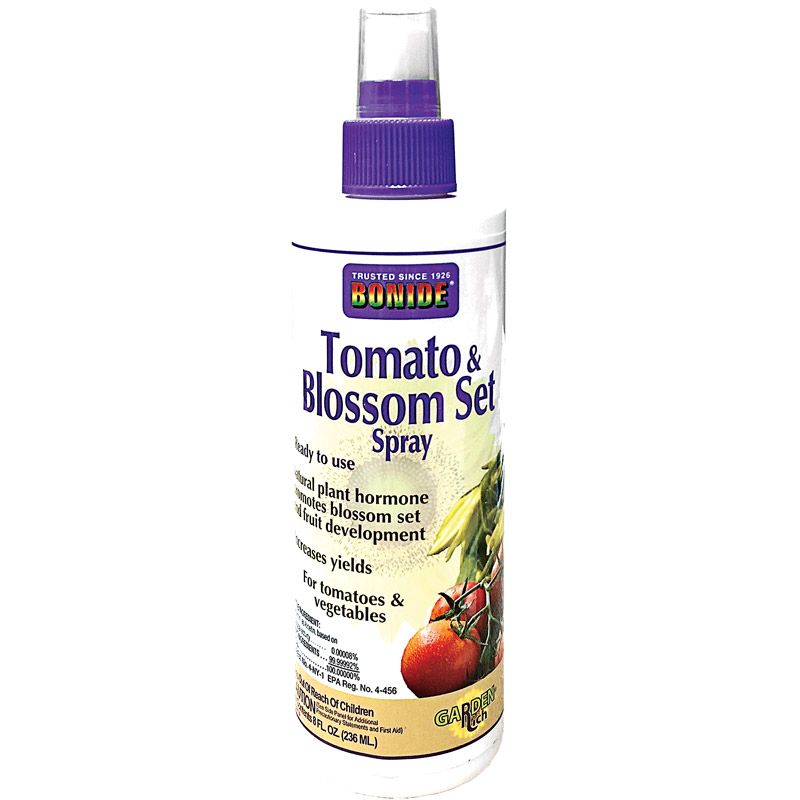
Is your tomato patch looking a little… lackluster? Are the leaves starting to yellow, or are you noticing unwelcome spots? Before you reach for harsh chemicals, consider a natural approach: foliar sprays. These easy-to-make concoctions can dramatically boost your tomato plants' natural defenses, leading to healthier, more productive harvests.
Why bother with foliar sprays, you ask? Well, think of them as a multivitamin boost for your plants, delivered directly to their leaves. This targeted approach ensures that your tomatoes quickly absorb the nutrients and beneficial compounds they need to fight off disease and pests. Plus, by using homemade recipes with readily available ingredients, you're not only improving your garden's health but also reducing your environmental impact. Imagine biting into a juicy, sun-ripened tomato, knowing you nurtured its growth with the best herbs to grow and natural solutions. That's the magic of foliar feeding!
Understanding Tomato Immunity and Foliar Feeding
Before diving into the recipes, let's briefly touch upon what exactly we mean by "tomato immunity." Just like us, plants have defense mechanisms to ward off diseases and pests. Factors like nutrient deficiencies, environmental stress, and fungal or bacterial attacks can weaken these defenses. Foliar sprays act as a shield, supplementing the plant's natural ability to resist these challenges. They provide readily available nutrients and beneficial microbes directly to the leaves, where they are absorbed efficiently. This method bypasses the root system, making it particularly effective for plants with compromised roots or those facing immediate threats.
The beauty of foliar feeding lies in its speed and efficiency. When applied directly to the leaves, nutrients and beneficial compounds are absorbed within hours, providing a rapid response to deficiencies or attacks. Furthermore, foliar sprays can improve the overall health of your plants, making them more resilient to future problems. This is particularly important if you're practicing container gardening, where the soil volume is limited, and nutrients can be depleted quickly.
Foliar Spray Recipes That Support Tomato Immunity
Here are a few tried-and-true foliar spray recipes to help your tomatoes thrive. Remember to always test a small area of your plant before applying any spray to the entire plant, especially if you are using new ingredients. It's also best to apply foliar sprays early in the morning or late in the evening to avoid scorching the leaves in direct sunlight.
1. Compost Tea Spray
Compost tea is a powerhouse of beneficial microbes and nutrients. It's essentially a liquid extract of compost that's teeming with life, helping to build a strong and resilient plant.
Ingredients: 1 part finished compost, 5 parts water, non-chlorinated water. Instructions:
1. Place the compost in a breathable bag (like a burlap sack or old pillowcase).
2. Submerge the bag in the water in a large bucket.
3. Aerate the mixture with an aquarium air pump and air stone for 24-48 hours (this is crucial for boosting microbial activity). Alternatively, stir vigorously several times a day.
4. Remove the compost bag and let the liquid settle.
5. Strain the tea through cheesecloth to remove any solid particles (this will prevent clogging your sprayer).
6. Dilute the compost tea with water to a light tea color.
7. Pour the diluted compost tea into a spray bottle and apply liberally to the leaves of your tomato plants, both top and bottom. Frequency:Apply every 1-2 weeks.
2. Baking Soda Spray
Baking soda can help prevent fungal diseases like early blight and powdery mildew, common culprits in tomato woes.
Ingredients: 1 teaspoon baking soda, 1 quart water, 1/2 teaspoon liquid soap (optional, as a surfactant). Instructions:
1. Combine the baking soda, water, and soap (if using) in a spray bottle.
2. Shake well to dissolve the baking soda.
3. Spray on the leaves of your tomato plants, focusing on areas prone to fungal issues. Frequency:Apply every 7-10 days as a preventative measure. Avoid over-application, as excessive baking soda can harm plants.
3. Epsom Salt Spray
Epsom salt is magnesium sulfate, which provides essential magnesium to your tomato plants. Magnesium deficiency can lead to yellowing leaves and reduced fruit production.
Ingredients: 1 tablespoon Epsom salt, 1 gallon water. Instructions:
1. Dissolve the Epsom salt in the water.
2. Pour the solution into a spray bottle.
3. Spray on the leaves of your tomato plants. Frequency:Apply every 2-4 weeks, especially during periods of heavy fruit production.
4. Herbal Infusion Spray (Garlic and Chili)
This spray acts as a natural insect repellent, deterring common tomato pests like aphids and whiteflies. This is a great way to naturally boost tomato immunity.
Ingredients: 4-5 cloves of garlic, 1-2 small chili peppers (or 1 teaspoon chili powder), 4 cups water. Instructions:
1. Crush the garlic and chili peppers.
2. Add them to the water in a saucepan.
3. Bring to a boil, then reduce heat and simmer for 20 minutes.
4. Let the mixture cool completely.
5. Strain the liquid through cheesecloth.
6. Dilute the infusion with water (1 part infusion to 5 parts water).
7. Pour the diluted infusion into a spray bottle and apply to the leaves of your tomato plants. Frequency:Apply every 1-2 weeks, or as needed when pests are present.
Troubleshooting and Best Practices
Even with the best recipes, sometimes things don't go exactly as planned. Here are some common issues and solutions: Leaf Burn: If you notice browning or scorching on the leaves after applying a foliar spray, it could be due to over-concentration or spraying in direct sunlight. Dilute the spray further and apply it during cooler, less sunny times of the day. Clogged Sprayer: Solid particles in your spray can clog the nozzle. Always strain your solutions thoroughly before pouring them into the sprayer. Clean your sprayer regularly with water. Ineffective Spray:If you're not seeing the desired results, it could be due to a few factors. Ensure that you're using high-quality ingredients, applying the spray at the correct frequency, and addressing any underlying issues like nutrient deficiencies in the soil.
Can herbs really grow indoors in winter?
Absolutely! Many herbs thrive indoors with proper care. Provide them with plenty of sunlight (a south-facing window is ideal) or use a grow light. Ensure good drainage in their pots and water them regularly, allowing the soil to dry slightly between waterings. Popular choices for indoor herb growing include basil, mint, oregano, thyme, and rosemary. These are some of the best herbs to grow for anyone new to container gardening.
Which herbs grow faster in pots?
Herbs like mint, basil, and chives tend to grow quickly in pots. Mint is especially vigorous, so it's best to keep it contained in its own pot to prevent it from taking over. Regular harvesting encourages these herbs to produce even more foliage. Consider these indoor herb ideas when planning your winter garden.
What are the best container gardening tips for herbs?
Choose pots with drainage holes to prevent waterlogging. Use a high-quality potting mix that provides good drainage and aeration. Group herbs with similar watering and light requirements together. Fertilize regularly with a balanced fertilizer or compost tea. Prune your herbs regularly to encourage bushier growth and prevent them from becoming leggy. Remember to research shade-loving herbs if your space lacks direct sunlight. A little planning goes a long way in creating a thriving herb garden.
The world of gardening is one of constant learning and experimentation. Don’t be afraid to tweak these foliar spray recipes to suit your specific needs and observe how your tomato plants respond. Growing healthy, disease-resistant tomatoes is within your reach, and with a little knowledge and effort, you'll be enjoying a bountiful harvest in no time. Embrace the journey, explore the power of herbs, and witness the amazing resilience of your plants!
Post a Comment for "Foliar Spray Recipes That Support Tomato Immunity"