How to Keep Herbs Growing in Winter
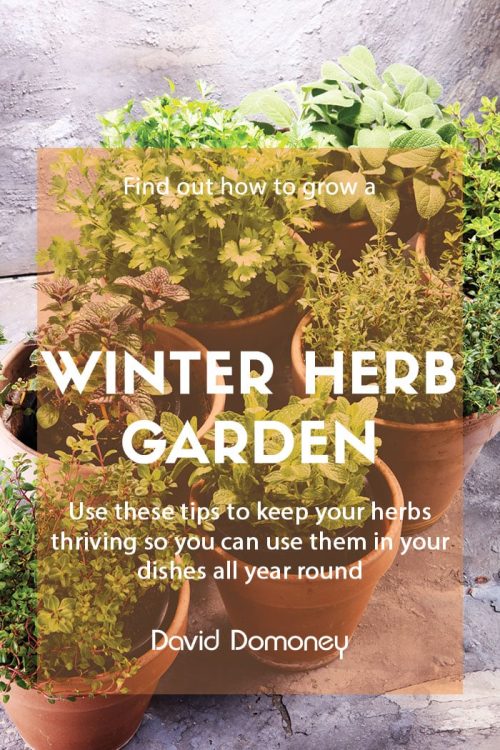
Winter doesn't have to mean the end of fresh, flavorful herbs. Imagine stepping into your kitchen in the middle of January and snipping fresh basil for a comforting tomato soup, or adding homegrown rosemary to a roasted chicken on a snowy evening. Keeping your favorite herbs growing through the winter is entirely possible, and with a little planning, you can enjoy garden-fresh flavors year-round.
Extending your herb garden into the colder months brings a wealth of benefits. Not only does it provide you with a constant supply of fresh ingredients for cooking and herbal remedies, but it also adds a touch of green to your home during a time when the outside world can look quite barren. Plus, tending to your herbs during the winter offers a mindful and rewarding activity, connecting you with nature even when the weather keeps you indoors. Let's explore the best ways how to keep herbs growing in winter and bring the vibrancy of the garden into your home.
Choosing the Right Herbs for Winter Growing
The first step in a successful winter herb garden is selecting the right herbs. Not all herbs thrive indoors, and some are much better suited to lower light conditions than others. Focus on herbs that tolerate indoor environments and can handle shorter days.
Some of the best herbs to grow indoors during winter include: Chives:These are incredibly resilient and easy to grow. They prefer bright light but can tolerate partial shade, making them a great choice for indoor growing.
Mint: Mint is vigorous and will readily grow indoors, but be sure to keep it contained, as it can quickly spread. Peppermint, spearmint, and other varieties all do well indoors.
Parsley: Both curly and flat-leaf parsley thrive indoors with sufficient light. Parsley can be a bit slower to germinate, so starting with a transplant is often recommended.
Rosemary: Rosemary needs plenty of sunlight, so a south-facing window is ideal. Ensure good air circulation to prevent powdery mildew.
Thyme: Another sun-loving herb, thyme prefers well-drained soil and plenty of light. It's relatively drought-tolerant, so avoid overwatering.
Oregano: Similar to thyme, oregano prefers a sunny spot and well-drained soil. It's a hardy herb that can withstand cooler temperatures.
Bay Laurel: This small tree can be grown in a pot indoors and will provide you with fresh bay leaves for cooking. It prefers bright, indirect light.
Lemon Balm: This fragrant herb is easy to grow and tolerates lower light conditions. Its lemony scent is a welcome addition to any indoor garden.
Consider the amount of sunlight your home receives and choose herbs accordingly. If you have limited natural light, you might want to invest in a grow light to supplement.
Setting Up Your Indoor Herb Garden
Once you've selected your herbs, it's time to set up your indoor garden. Here are a few essential considerations:Potting Mix: Use a high-quality potting mix that drains well. Avoid using garden soil, as it can become compacted in containers and doesn't provide adequate drainage. A mix specifically formulated for containers is ideal.
Containers: Choose pots with drainage holes to prevent waterlogging, which can lead to root rot. The size of the pot will depend on the herb, but generally, a 6-8 inch pot is a good starting point. Terra cotta pots are a good option, as they allow the soil to breathe.
Light: Most herbs need at least 6 hours of sunlight per day. Place your herbs near a south-facing window if possible. If you don't have enough natural light, consider using a grow light. LED grow lights are energy-efficient and provide the full spectrum of light that plants need.
Temperature: Most herbs prefer temperatures between 60-75°F (15-24°C). Avoid placing them near drafts or heat sources, such as radiators.
Humidity: Indoor air can be dry during the winter. Increase humidity around your herbs by misting them regularly, placing them on a pebble tray filled with water, or using a humidifier.
Can herbs really grow indoors in winter?
Absolutely! While outdoor conditions may be harsh, with the right care and attention, many herbs thrive indoors during winter. The key is providing adequate light, proper watering, and maintaining a suitable temperature and humidity level. Select varieties known for indoor success, and you'll be enjoying fresh herbs even in the coldest months.
Caring for Your Winter Herb Garden
Consistent care is key to keeping your herbs thriving throughout the winter. Here are some essential tips:Watering: Water your herbs when the top inch of soil feels dry to the touch. Avoid overwatering, as this can lead to root rot. Ensure that excess water drains out of the pot. Reduce watering frequency during the winter, as plants grow more slowly.
Fertilizing: Feed your herbs with a diluted liquid fertilizer every 2-4 weeks. Use a balanced fertilizer or one specifically formulated for herbs. Avoid over-fertilizing, as this can burn the roots.
Pruning: Regularly prune your herbs to encourage bushier growth and prevent them from becoming leggy. Pinch off the tips of the stems to promote branching. Use the pruned leaves for cooking or drying.
Pest Control: Keep an eye out for pests, such as aphids, spider mites, and whiteflies. Inspect your plants regularly and take action promptly if you see any signs of infestation. You can often control pests with insecticidal soap or neem oil.
Air Circulation: Good air circulation helps to prevent fungal diseases. Ensure that your herbs have enough space between them and that air can circulate freely around the plants.
Which herbs grow faster in pots?
Several herbs exhibit particularly vigorous growth in pots, making them ideal for container gardening. Mint, as mentioned, is a rapid grower and spreads quickly, so keeping it contained in a pot is crucial. Chives and parsley also establish themselves quickly and provide a continuous harvest. For a bit more of a challenge, basil grows well if you provide the right conditions.
Troubleshooting Common Winter Herb Problems
Even with the best care, you may encounter some challenges when growing herbs indoors during the winter. Here are a few common problems and how to address them:Yellowing Leaves: Yellowing leaves can indicate overwatering, underwatering, or nutrient deficiency. Check the soil moisture and adjust your watering accordingly. If the soil is consistently dry, water more frequently. If it's consistently wet, allow the soil to dry out more between waterings. If nutrient deficiency is suspected, fertilize with a diluted liquid fertilizer.
Leggy Growth: Leggy growth, characterized by long, spindly stems, is often caused by insufficient light. Move your herbs to a sunnier location or supplement with a grow light. Prune back the leggy stems to encourage bushier growth.
Powdery Mildew: Powdery mildew is a fungal disease that appears as a white, powdery coating on the leaves. It's often caused by poor air circulation and high humidity. Improve air circulation by spacing out your plants and using a fan. Remove any affected leaves and treat with a fungicide if necessary.
Pests: Pests can be a problem in indoor gardens, especially during the winter when plants are more stressed. Inspect your plants regularly and take action promptly if you see any signs of infestation. Insecticidal soap, neem oil, and horticultural oil are effective treatments for many common pests.
What are some indoor herb ideas for small spaces?
If space is limited, consider vertical gardening solutions. Stacked planters, wall-mounted containers, and hanging baskets are excellent ways to maximize your growing area. You can also create a windowsill herb garden by arranging pots along a sunny windowsill. Consider using smaller varieties of herbs, such as dwarf basil or compact thyme, to save space.
Growing herbs indoors during the winter is a rewarding experience that brings the freshness of the garden into your home year-round. By selecting the right herbs, providing proper care, and troubleshooting common problems, you can enjoy a constant supply of flavorful ingredients for cooking and herbal remedies. Don't be afraid to experiment with different herbs and techniques to find what works best for you. Embrace the joy of indoor gardening, and let your winter herb garden flourish!
Post a Comment for "How to Keep Herbs Growing in Winter"