Growing an Herb Garden in Tubs and Containers
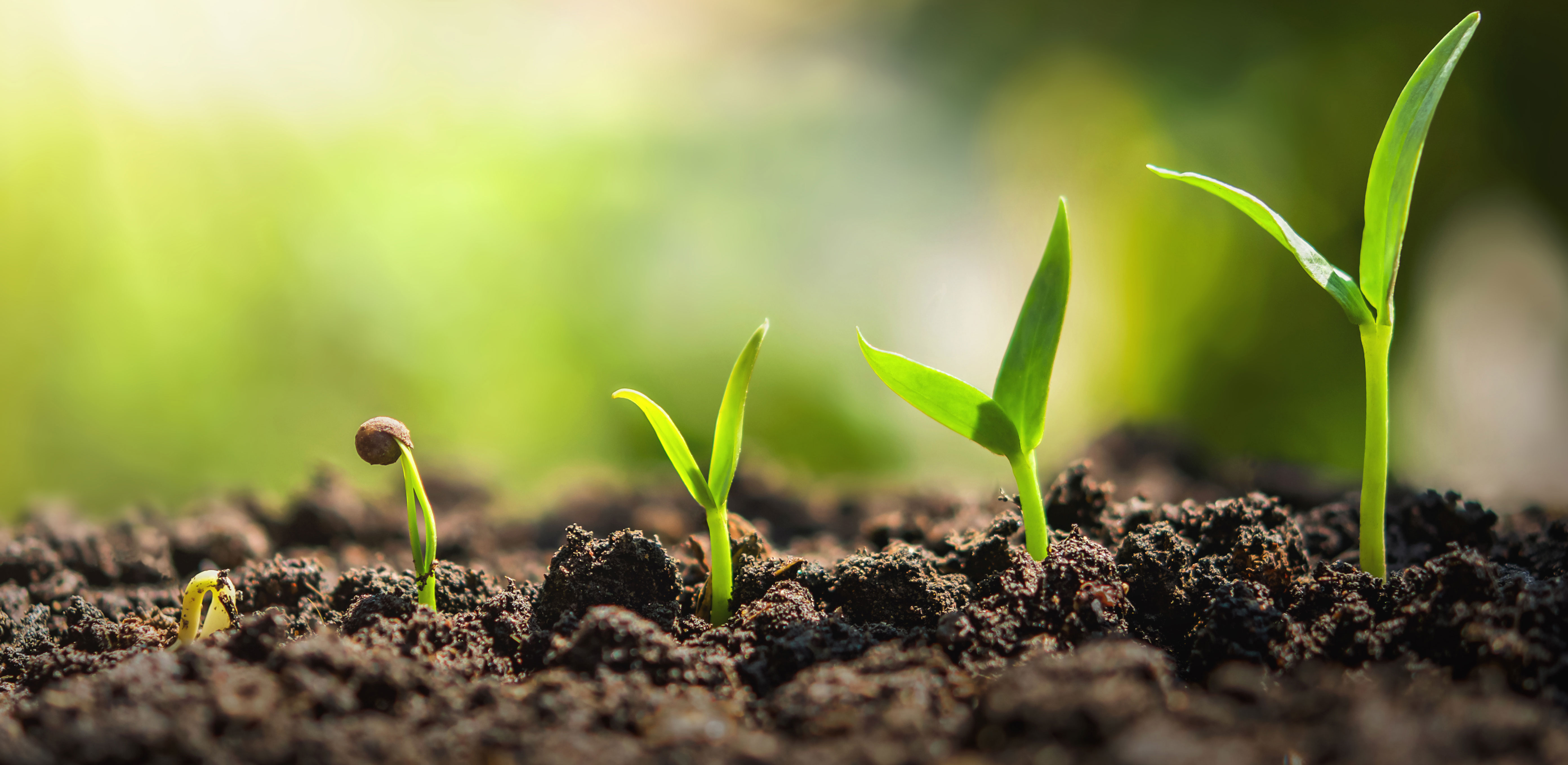
Imagine stepping onto your patio and snipping fresh basil for tonight’s pasta, or brewing a calming cup of chamomile tea harvested right from your windowsill. Sounds idyllic, doesn’t it? Well, it’s absolutely achievable, even if you don’t have acres of land. Growing an herb garden in tubs and containers is a fantastic way to bring fresh flavors and aromas into your life, no matter how small your space.
Why should you consider container herb gardening? Because it’s accessible, adaptable, and downright delightful! Whether you’re a seasoned cook looking to elevate your dishes with the freshest ingredients, or a budding gardener wanting an easy entry point, growing herbs in containers offers a world of benefits. You’ll have a constant supply of culinary delights right at your fingertips, boost your well-being with homegrown medicinal herbs, and add a touch of natural beauty to your home. Plus, it’s incredibly satisfying to nurture something from a tiny seed to a fragrant, flavorful plant.
Getting Started: Choosing Your Containers and Location
The beauty of growing herbs in containers is the flexibility it offers. You can use virtually any container with drainage holes, from terracotta pots to repurposed buckets. The size of the container will depend on the herbs you want to grow; larger herbs like rosemary and lavender need more space than smaller ones like thyme or chives.
Consider these factors when choosing your containers: Material: Terracotta pots are porous and allow for good aeration, but they dry out faster than plastic containers. Plastic pots are lightweight and retain moisture better, but they can overheat in direct sunlight. Glazed ceramic pots offer a good balance of both. Size: A good rule of thumb is to choose a pot that's at least 6 inches in diameter for smaller herbs and 12 inches or more for larger ones. Drainage:Make sure your containers have drainage holes to prevent waterlogging, which can lead to root rot. If your container doesn't have drainage holes, you can drill some yourself.
Next, think about location. Most herbs thrive in a sunny spot that receives at least 6 hours of direct sunlight per day. However, some herbs, like mint and parsley, can tolerate partial shade. Consider the specific needs of the herbs you plan to grow and choose a location that provides the right amount of light. If you're growing herbs indoors, a south-facing windowsill is ideal. You might also need to supplement with grow lights, especially during the winter months.
Soil Selection: The Foundation for Healthy Herbs
The right soil is crucial for growing healthy, flavorful herbs in containers. Garden soil is often too heavy and compact for containers, which can restrict drainage and airflow. Instead, opt for a well-draining potting mix specifically formulated for containers. These mixes typically contain a blend of peat moss, perlite, and vermiculite, which provide good drainage and aeration while retaining moisture.
You can also create your own potting mix by combining equal parts of:
Compost: Adds nutrients and improves soil structure.
Peat moss or coconut coir: Retains moisture.
Perlite or vermiculite: Improves drainage and aeration.
Before planting, amend your potting mix with a slow-release fertilizer to provide your herbs with a steady supply of nutrients. You can also add a handful of bone meal to promote strong root growth.
Choosing the Best Herbs to Grow in Containers
Not all herbs are created equal when it comes to container gardening. Some herbs are naturally compact and well-suited for pots, while others can quickly outgrow their containers and become unruly. Here are some of the best herbs to grow in containers: Basil: A culinary staple, basil thrives in warm, sunny conditions. Choose compact varieties like 'Spicy Globe' or 'Thai Basil' for smaller containers. Chives: A versatile herb with a mild onion flavor, chives are easy to grow and can tolerate partial shade. Mint: Known for its invasive nature, mint is best contained in a pot. Choose from a variety of flavors, such as peppermint, spearmint, or chocolate mint. Parsley: A biennial herb with a fresh, clean flavor, parsley prefers partial shade and moist soil. Rosemary: A fragrant herb with needle-like leaves, rosemary prefers well-draining soil and plenty of sunlight. Choose a compact variety like 'Blue Boy' for smaller containers. Thyme: A low-growing herb with a savory flavor, thyme thrives in well-draining soil and full sun. Oregano:A robust herb with a pungent flavor, oregano prefers well-draining soil and plenty of sunlight.
Consider grouping herbs with similar needs together in the same container. For example, basil, rosemary, and thyme all prefer well-draining soil and full sun, while mint and parsley prefer partial shade and moist soil.
Which herbs grow faster in pots?
Some herbs are naturally faster growers than others, making them ideal for those who want to see quick results. Basil, mint, and chives are among the fastest-growing herbs in containers. You can often start harvesting them within a few weeks of planting. Parsley also grows relatively quickly, but it may take a bit longer to establish.
Can herbs really grow indoors in winter?
Absolutely! Many herbs can thrive indoors during the winter months, provided they receive enough light. A south-facing windowsill is ideal, but you may need to supplement with grow lights to ensure your herbs get at least 6 hours of light per day. Herbs like rosemary, thyme, oregano, and sage are particularly well-suited for indoor growing, as they prefer drier conditions. Be sure not to overwater them, as this can lead to root rot.
Planting and Caring for Your Container Herb Garden
Once you've chosen your containers, soil, and herbs, it's time to start planting!
- Fill your containers with potting mix, leaving about an inch of space at the top.
- Gently remove your herbs from their nursery pots and loosen the roots.
- Plant your herbs in the containers, spacing them according to their mature size.
- Water thoroughly after planting.
- Place your containers in a sunny location.
Water your herbs regularly, allowing the soil to dry out slightly between waterings. Avoid overwatering, as this can lead to root rot. Fertilize your herbs every 2-4 weeks with a liquid fertilizer diluted to half strength.
Prune your herbs regularly to encourage bushier growth and prevent them from becoming leggy. Pinch off the tips of the stems to promote branching. You can also harvest your herbs regularly, which will further encourage growth.
Protect your container herb garden from pests and diseases by inspecting your plants regularly. Common pests of herbs include aphids, spider mites, and whiteflies. You can control these pests with insecticidal soap or neem oil. Diseases are less common in container herb gardens, but fungal diseases can occur in humid conditions. Improve air circulation around your plants and avoid overwatering to prevent fungal diseases.
What about shade-loving herbs for a balcony garden?
If your balcony or patio doesn't get a lot of direct sunlight, don't worry! There are still plenty of herbs that you can grow successfully in partial shade. Mint, parsley, chives, and cilantro are all shade-tolerant herbs. You can also try growing herbs like lemon balm, which prefers partial shade and moist soil. Just be sure to provide these herbs with well-draining soil and regular watering.
Harvesting and Using Your Fresh Herbs
One of the greatest joys of growing an herb garden in tubs and containers is harvesting your own fresh herbs. You can start harvesting your herbs as soon as they're large enough to use. Simply snip off the stems or leaves as needed.
The best time to harvest herbs is in the morning, after the dew has dried but before the sun gets too hot. This is when the herbs' essential oils are at their peak.
Use your fresh herbs to flavor your favorite dishes, make herbal teas, or create homemade beauty products. You can also dry or freeze your herbs for later use.
Drying herbs is a simple process. Simply tie the stems together in a bundle and hang them upside down in a warm, dry, and well-ventilated place. Once the herbs are completely dry, crumble them and store them in airtight containers.
Freezing herbs is another great way to preserve their flavor. Simply chop the herbs and freeze them in ice cube trays filled with water or olive oil. Once the cubes are frozen, transfer them to freezer bags.
Growing an herb garden in tubs and containers is a rewarding and accessible way to bring fresh flavors and aromas into your life. With a little planning and care, you can enjoy a constant supply of culinary and medicinal herbs right at your fingertips. So, get your hands dirty, experiment with different herbs, and discover the joy of homegrown goodness. Happy gardening!
Post a Comment for "Growing an Herb Garden in Tubs and Containers"