Beginner’s Guide to Growing Herbs in Pots
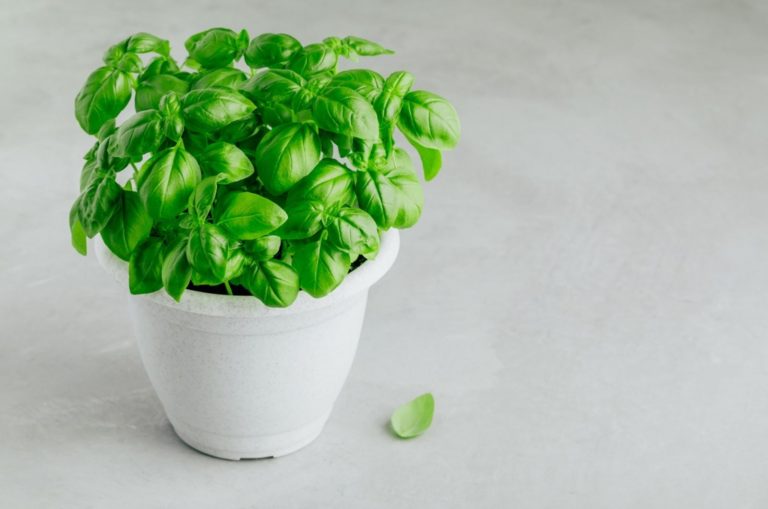
Imagine stepping outside your kitchen and snipping fresh basil for your pasta sauce, or brewing a calming chamomile tea with herbs picked right from your windowsill. Sounds idyllic, right? It’s also entirely achievable, even if you’re a complete beginner. Growing herbs in pots is one of the most rewarding and accessible ways to connect with nature and elevate your everyday life.
Why should you embark on this fragrant adventure? Because growing your own herbs offers a bouquet of benefits. Not only will you have access to fresh, flavorful ingredients for cooking, teas, and even natural remedies, but you’ll also save money, reduce your reliance on store-bought herbs (often packaged in plastic), and beautify your living space. Plus, tending to your herb garden is a wonderfully therapeutic activity that connects you to the natural world. A Beginner's Guide to Growing Herbs in Pots opens the door to a world of flavor, fragrance, and well-being, right at your fingertips.
Choosing the Right Herbs for Your Pots
The first step in your Beginner’s Guide to Growing Herbs in Pots is selecting the right herbs. While many herbs thrive in containers, some are particularly well-suited for pot life. Think about your cooking habits, the amount of sunlight you have available, and your personal preferences. Here are a few fantastic options to get you started: Basil: A culinary staple, basil loves warmth and sunshine. Choose compact varieties like ‘Spicy Globe’ or ‘Thai Basil’ for smaller pots. Mint: Known for its vigorous growth, mint is best grown in its own container to prevent it from taking over your entire garden. Peppermint, spearmint, and chocolate mint are all excellent choices. Chives: Easy to grow and incredibly versatile, chives add a mild onion flavor to salads, soups, and dips. Parsley: Another culinary workhorse, parsley comes in both curly and flat-leaf varieties. It tolerates partial shade. Rosemary: A fragrant and woody herb, rosemary prefers well-drained soil and plenty of sunlight. Choose a dwarf variety for container gardening. Thyme: A low-growing herb with a distinctive flavor, thyme is drought-tolerant and thrives in sunny locations. Oregano: A Mediterranean herb with a robust flavor, oregano is perfect for adding to pizzas, sauces, and grilled meats. Lemon Balm: A calming herb with a lemony scent, lemon balm is wonderful for teas and infusions. Like mint, it can be invasive, so grow it in its own pot.
Consider your climate as well. If you live in a region with harsh winters, choose herbs that are either cold-hardy (like thyme, rosemary, and chives) or that can easily be brought indoors during the colder months (like basil and mint). Think about grouping herbs with similar needs together. For example, Mediterranean herbs like rosemary, thyme, and oregano prefer similar conditions.
Setting Up Your Herb Garden: Pots, Soil, and Location
Once you've chosen your herbs, it's time to create the perfect environment for them to thrive. Choosing the right pot size and material is key.
Pots: Select pots that are at least 6 inches in diameter, but larger is generally better, especially for herbs like rosemary and mint that can grow quite large. Ensure the pots have drainage holes to prevent waterlogging. Terracotta pots are a classic choice and allow for good air circulation, but plastic or glazed ceramic pots are also suitable. Soil: Use a high-quality potting mix specifically formulated for containers. Avoid using garden soil, as it can compact in pots and hinder drainage. A good potting mix will provide the necessary nutrients and aeration for healthy root growth. Location:Most herbs need at least 6 hours of sunlight per day to thrive. Choose a sunny location for your herb garden, such as a south-facing patio, balcony, or windowsill. If you don't have enough natural light, consider using grow lights.
Planting and Caring for Your Herbs
Planting your herbs is a straightforward process. Gently remove the herbs from their nursery pots and loosen the roots. Place the herbs in the prepared pots, ensuring the top of the root ball is level with the soil surface. Fill in the remaining space with potting mix and gently pat down the soil. Water thoroughly after planting.
Here are some essential care tips to keep your herbs happy and healthy: Watering: Water your herbs regularly, allowing the soil to dry out slightly between waterings. Avoid overwatering, as this can lead to root rot. Check the soil moisture by sticking your finger an inch or two into the soil. If it feels dry, it's time to water. Fertilizing: Feed your herbs with a balanced liquid fertilizer every 2-4 weeks during the growing season. Alternatively, you can use a slow-release fertilizer at the time of planting. Pruning: Prune your herbs regularly to encourage bushier growth and prevent them from becoming leggy. Pinch off the tips of the stems to promote branching. Regular harvesting also counts as pruning! Pest Control: Keep an eye out for pests such as aphids, spider mites, and whiteflies. Treat infestations promptly with insecticidal soap or neem oil.
Can herbs really grow indoors in winter?
Yes, absolutely! Many herbs can thrive indoors during the winter months, especially if you provide them with adequate light and warmth. Place your herbs near a sunny window or use grow lights to supplement natural light. Keep the temperature consistent and avoid placing them near drafty windows or radiators.
Which herbs grow faster in pots?
Mint and basil are known for their relatively quick growth rates. Chives and parsley also grow fairly quickly. Faster-growing herbs will require more frequent harvesting and pruning.
What are the best shade-loving herbs?
While most herbs prefer full sun, some can tolerate partial shade. Mint, parsley, chives, and lemon balm are all good options for shadier locations. However, keep in mind that herbs grown in shade may not be as flavorful as those grown in full sun.
Harvesting and Using Your Herbs
One of the greatest joys of growing your own herbs is being able to harvest them fresh whenever you need them. To harvest your herbs, simply snip off the stems or leaves with scissors or pruning shears. Harvest in the morning, after the dew has dried, for the best flavor.
Here are some ideas for using your freshly harvested herbs: Cooking: Add herbs to sauces, soups, salads, grilled meats, and vegetables. Teas: Brew herbal teas with mint, lemon balm, chamomile, and lavender. Infused Oils and Vinegars: Infuse oils and vinegars with herbs like rosemary, thyme, and basil for a flavorful addition to your cooking. Pesto: Make homemade pesto with basil, parsley, or other herbs. Garnish: Use herbs as a garnish for your dishes. Dried Herbs: Preserve your herbs by drying them. Hang them upside down in a cool, dry place or use a dehydrator.
Growing herbs in pots is an incredibly rewarding experience that brings the beauty and bounty of nature right to your doorstep. Don't be afraid to experiment with different herbs and find what works best for you. With a little bit of care and attention, you'll be enjoying fresh, flavorful herbs for years to come. So, grab a pot, some soil, and your favorite herb seedlings, and let the gardening adventure begin!
Post a Comment for "Beginner’s Guide to Growing Herbs in Pots"