Remedies for Wilting Tomato Plants Without Chemicals
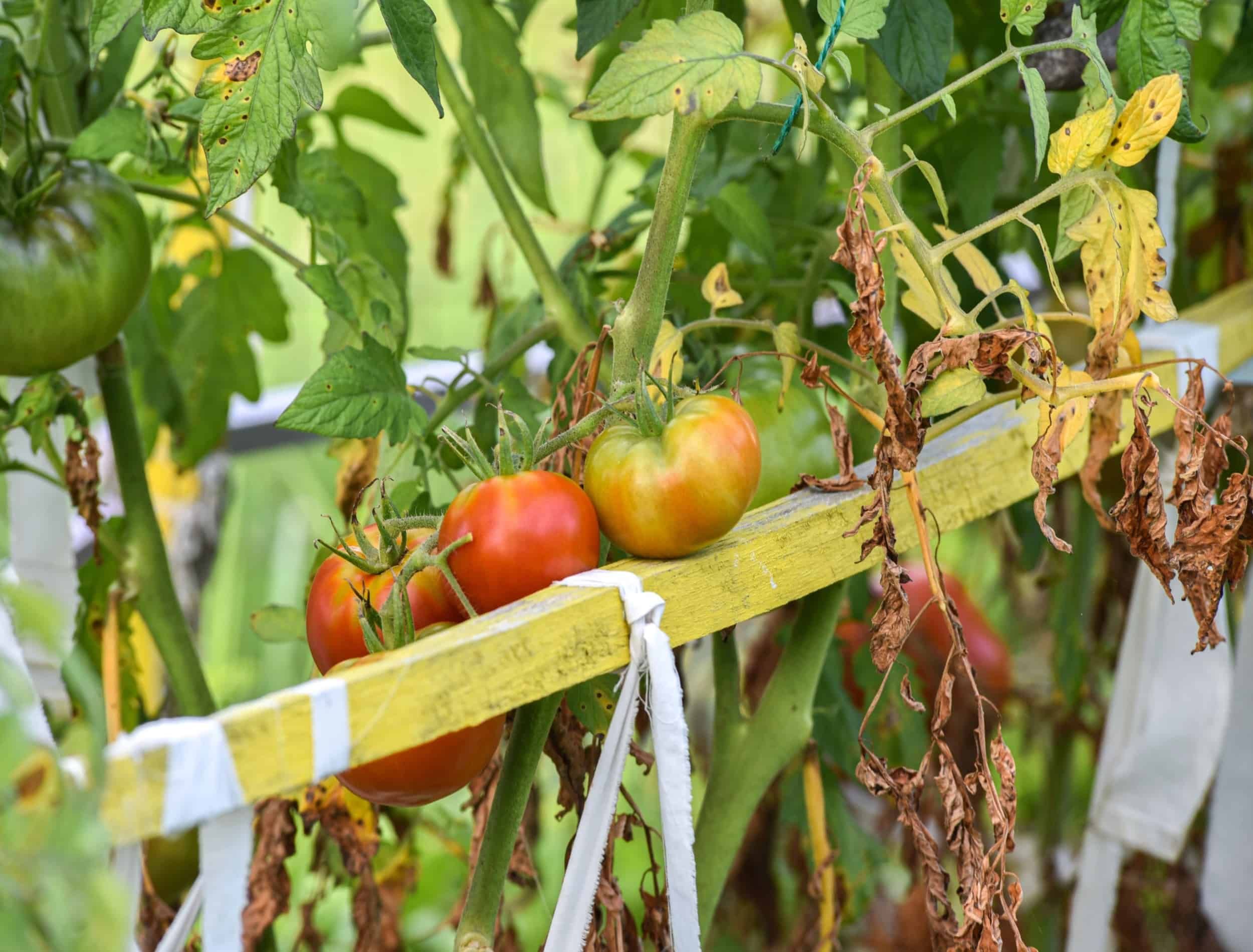
Oh no! Seeing your tomato plants droop can be a real heartbreaker. But before you reach for the chemical solutions, take a deep breath. There are plenty of natural, effective ways to revive those wilting beauties and get them back on track for a bountiful harvest. We're here to explore remedies for wilting tomato plants without chemicals, and get your garden thriving again!
Why is it so important to address wilting naturally? Well, for starters, it protects you, your family, and the environment from potentially harmful chemicals. Plus, focusing on natural solutions often leads to healthier, more resilient plants in the long run. Think about it: stronger root systems, better soil health, and a flourishing ecosystem in your backyard. It’s not just about saving your tomatoes; it’s about creating a sustainable and delicious garden you can enjoy for years to come. Plus, when you know your tomatoes are chemical-free, the sauce, salsa, and salads you make with them just taste that much better!
Diagnosing the Cause of Wilting
Before diving into remedies, it's crucial to understand why your tomato plants are wilting in the first place. Wilting is often a symptom of a deeper issue, and treating the symptom without addressing the cause won't solve the problem long-term. Let's investigate the common culprits.
Water Woes: This is the most frequent reason for wilting. Both underwatering and overwatering can cause plants to droop. Underwatering is obvious: the soil feels dry, and the leaves become crispy. Overwatering, however, can suffocate the roots, preventing them from absorbing water, leading to a similar wilting appearance.
Temperature Stress: Tomatoes are warm-weather lovers, but extreme heat can overwhelm them. During scorching days, plants may wilt as they struggle to transpire enough water to stay cool. Conversely, sudden cold snaps can also shock plants and cause wilting.
Disease: Several diseases can cause wilting, including Fusarium wilt and Verticillium wilt. These fungal diseases attack the plant's vascular system, hindering water transport. Look for yellowing leaves, stunted growth, and discoloration on the stems.
Pests: Root-knot nematodes, tiny soil-dwelling worms, can damage tomato roots, interfering with water uptake and leading to wilting.
Nutrient Deficiencies: Lack of essential nutrients, especially nitrogen, phosphorus, and potassium, can weaken plants and make them more susceptible to wilting.
Natural Remedies for Wilting Tomato Plants
Now that we've explored the potential causes, let's get into the natural solutions. Remember to adjust your approach based on the diagnosis you made in the previous section.
1. Adjust Your Watering Practices
For Underwatering: Water deeply and less frequently. Aim to saturate the soil around the root zone. Check the soil moisture by sticking your finger about two inches into the ground. If it feels dry, it's time to water. Consider using a soaker hose or drip irrigation to deliver water directly to the roots.
For Overwatering: Ensure your soil has good drainage. Amend heavy clay soil with compost or other organic matter to improve drainage. If your tomatoes are in pots, make sure the pots have drainage holes. Let the soil dry out completely before watering again. Consider transplanting to a better-draining location if necessary.
2. Provide Shade and Protection from Heat
Shade Cloth: During the hottest part of the day, use shade cloth to protect your tomato plants from direct sunlight. This will help reduce water loss through transpiration and prevent heat stress.
Watering During Heat Waves: Water deeply in the early morning to help plants withstand the heat of the day. Avoid watering in the evening, as this can promote fungal diseases.
Mulching: Apply a layer of organic mulch, such as straw or wood chips, around the base of your tomato plants. Mulch helps retain soil moisture, regulates soil temperature, and suppresses weeds.
3. Combatting Diseases Naturally
Improve Air Circulation: Ensure your tomato plants have adequate spacing to promote good air circulation. This will help prevent fungal diseases from spreading.
Remove Affected Foliage: Prune away any yellowing or diseased leaves promptly. Dispose of the affected foliage properly to prevent the spread of disease. Do not compost diseased plant material.
Neem Oil: Neem oil is a natural fungicide and insecticide that can help control various tomato diseases and pests. Apply neem oil according to the product instructions.
Baking Soda Solution: A baking soda solution (1 teaspoon baking soda per quart of water) can help prevent fungal diseases. Spray the solution on your tomato plants every week or two.
4. Dealing with Pests Naturally
Companion Planting: Certain plants can help deter pests naturally. Marigolds, for example, repel nematodes and other harmful insects. Basil can also help repel tomato hornworms.
Beneficial Nematodes: Introduce beneficial nematodes to the soil to combat root-knot nematodes. These beneficial nematodes will parasitize the root-knot nematodes and help control their population.
Handpicking: Regularly inspect your tomato plants for pests and handpick them off whenever you see them.
5. Addressing Nutrient Deficiencies Naturally
Compost Tea: Compost tea is a nutrient-rich liquid fertilizer that can help address nutrient deficiencies. Brew compost tea by steeping compost in water for a few days, then strain the liquid and apply it to your tomato plants.
Epsom Salts: Epsom salts (magnesium sulfate) can help correct magnesium deficiencies, which can cause yellowing leaves. Dissolve 1 tablespoon of Epsom salts in a gallon of water and apply it to your tomato plants every two weeks.
Bone Meal: Bone meal is a good source of phosphorus, which is essential for root development and fruiting. Amend the soil with bone meal at planting time or side-dress your tomato plants with bone meal during the growing season.
Can Epsom Salt Really Help Wilting Tomato Plants?
Yes, Epsom salt can be a helpful remedy, especially if a magnesium deficiency is contributing to the wilting. Magnesium is crucial for chlorophyll production, which is essential for photosynthesis. A lack of magnesium can lead to yellowing leaves and weakened plants, making them more susceptible to wilting. However, it's important to note that Epsom salt is not a cure-all. Make sure to rule out other potential causes of wilting before relying solely on Epsom salt.
How Often Should I Water My Tomato Plants?
The watering frequency depends on several factors, including the weather, soil type, and the size of your plants. As a general rule, water deeply when the top inch or two of soil feels dry. During hot, dry weather, you may need to water daily. In cooler, wetter weather, you may only need to water every few days. Container-grown tomatoes typically need to be watered more frequently than those grown in the ground. Observe your plants closely and adjust your watering schedule accordingly. A moisture meter can also be a helpful tool for determining when to water.
What Are Some Signs of Overwatering in Tomato Plants?
Signs of overwatering include wilting (yes, it can cause both under and overwatering!), yellowing leaves, and stunted growth. The leaves may also feel soft and mushy. In severe cases, the roots may rot, leading to plant death. If you suspect overwatering, stop watering immediately and allow the soil to dry out completely. Improve drainage by amending the soil with compost or perlite. If your plants are in pots, make sure the pots have drainage holes.
Preventative Measures for Healthy, Wilt-Resistant Tomatoes
Prevention is always better than cure. Here are some proactive steps you can take to minimize the risk of wilting in your tomato plants: Choose Disease-Resistant Varieties:When selecting tomato plants, opt for varieties that are resistant to common diseases like Fusarium wilt and Verticillium wilt. Look for varieties labeled with "F" and "V" on the plant tag.
Improve Soil Health: Healthy soil is the foundation of healthy plants. Amend your soil with compost and other organic matter to improve drainage, fertility, and water retention.
Rotate Crops: Avoid planting tomatoes in the same location year after year. Crop rotation helps prevent the buildup of soilborne diseases and pests.
Water Wisely: Water deeply and less frequently, and avoid overwatering. Use a soaker hose or drip irrigation to deliver water directly to the roots.
Mulch: Apply a layer of organic mulch around the base of your tomato plants to retain soil moisture, regulate soil temperature, and suppress weeds.
Monitor Regularly: Regularly inspect your tomato plants for signs of disease, pests, and nutrient deficiencies. The earlier you catch problems, the easier they are to address.
Don't be discouraged by a few wilting leaves! Gardening is a constant learning process. By understanding the causes of wilting and implementing these natural remedies, you can revive your tomato plants and enjoy a bountiful harvest. So, get out there, get your hands dirty, and keep experimenting. There's nothing quite like the taste of homegrown tomatoes, especially when you know they've been nurtured with care and without harmful chemicals. Happy gardening!
Post a Comment for "Remedies for Wilting Tomato Plants Without Chemicals"