Eco-Friendly Sprays for Hydroponic Tomato Systems
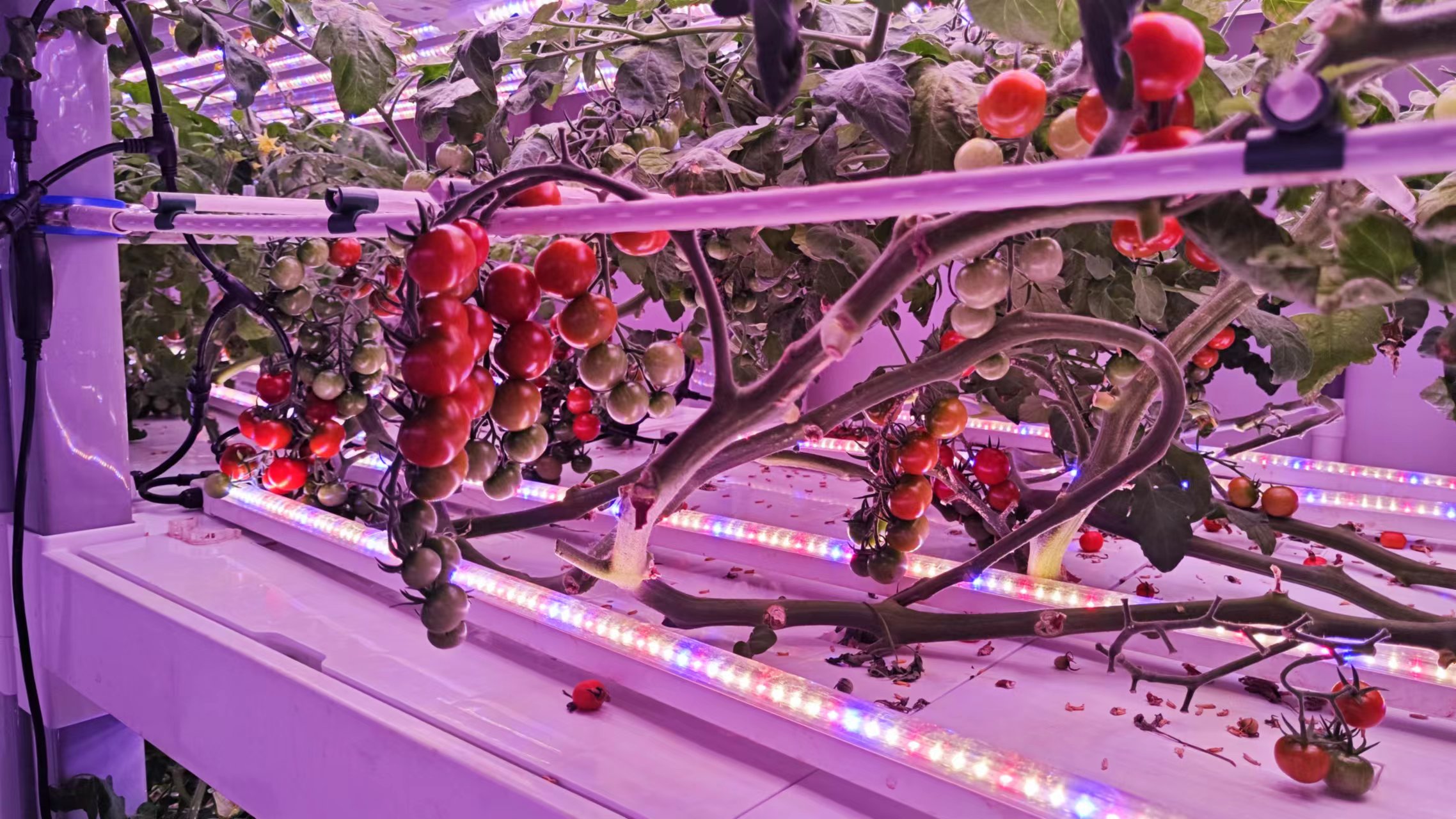
Imagine plump, juicy tomatoes bursting with flavor, grown right in your own home, without harmful chemicals threatening your family or the environment. Sounds like a dream, right? Well, it doesn't have to be! With the right eco-friendly sprays, you can cultivate a thriving hydroponic tomato system that yields delicious, healthy fruit.
Why bother with eco-friendly sprays for your hydroponic tomatoes in the first place? Because your garden isn't just about the food you grow; it’s about the entire ecosystem you create. By choosing natural and organic solutions, you're protecting beneficial insects, safeguarding your family's health, and contributing to a more sustainable way of gardening. Plus, those tomatoes you harvest will be even more flavorful knowing they’re free from synthetic pesticides. This is particularly important in a closed hydroponic system where chemicals can quickly build up and affect the entire crop.
Choosing the Right Eco-Friendly Sprays
The key to success with eco-friendly sprays is understanding what you're trying to combat and choosing the right solution for the job. Prevention is always better than cure, so start with healthy plants and good hygiene in your hydroponic system. This means regularly cleaning your equipment and providing adequate ventilation. But even with the best practices, pests and diseases can sometimes strike.
Here are some of the best eco-friendly options for common tomato problems in hydroponic systems: Neem Oil:This is a broad-spectrum insecticide, miticide, and fungicide derived from the neem tree. It's effective against aphids, whiteflies, spider mites, and fungal diseases like powdery mildew. Use a diluted solution and apply it thoroughly to all parts of the plant, especially the undersides of the leaves. Always test on a small area first to ensure there's no adverse reaction. Neem oil is best applied in the evening to avoid burning the leaves in direct sunlight.
Insecticidal Soap: Another excellent option for soft-bodied insects like aphids, whiteflies, and spider mites. Insecticidal soap works by disrupting the insect's cell membranes, causing them to dehydrate and die. Be sure to cover all surfaces of the plant, as it only works on direct contact. Reapply as needed, especially after rain or watering.
Bacillus thuringiensis (Bt): This is a naturally occurring bacterium that produces toxins that are lethal to certain insects, particularly caterpillars. Bt is highly specific, meaning it won't harm beneficial insects, birds, or mammals. There are different strains of Bt for different pests, so make sure you choose the right one for your target pest.
Copper Fungicides: These are effective against a range of fungal diseases, including early blight and late blight. Copper fungicides work by disrupting the fungal cells. However, copper can build up in the soil, so use it sparingly and only when necessary. Look for copper products that are approved for organic gardening.
Homemade Garlic Spray: Garlic has natural insecticidal properties. To make your own spray, crush a few cloves of garlic and steep them in water for 24 hours. Strain the mixture and add a drop of dish soap to help it stick to the leaves. Spray on affected plants to deter aphids, whiteflies, and other pests.
Diatomaceous Earth (DE): This is a naturally occurring powder made from the fossilized remains of diatoms. It works by dehydrating insects that come into contact with it. DE is best used as a preventative measure, sprinkled around the base of your plants or dusted on the leaves. Choose food-grade DE for use in the garden.
Applying Eco-Friendly Sprays Effectively
Knowingwhichspray to use is only half the battle.Howyou apply it is just as important. Here are some tips for maximizing the effectiveness of your eco-friendly sprays: Identify the Pest or Disease: Before you start spraying, make sure you know what you're dealing with. Different pests and diseases require different treatments. Read the Label: Always read and follow the instructions on the product label. This will ensure that you're using the spray safely and effectively. Test on a Small Area: Before spraying your entire crop, test the spray on a small area of one plant to make sure it doesn't cause any adverse reactions. Spray Thoroughly: Make sure to cover all parts of the plant, including the undersides of the leaves, where many pests like to hide. Apply in the Evening: Avoid spraying in direct sunlight, as this can cause the leaves to burn. The best time to spray is in the evening when the sun is less intense. Reapply as Needed: Most eco-friendly sprays need to be reapplied regularly, especially after rain or watering.
Can I use these sprays on other plants in my hydroponic system?
While many of these sprays are generally safe for other plants, it's always best to test them on a small area first. Some plants are more sensitive than others, and what works well for tomatoes might not be suitable for leafy greens or herbs. Consider the specific needs of each plant species in your system and research accordingly. Furthermore, be aware of potential cross-contamination in your hydroponic reservoir; ensure any spray runoff won't negatively impact the overall nutrient solution.
How often should I be applying these sprays as a preventative measure?
The frequency of preventative spraying depends on several factors, including the climate, the type of plant, and the prevalence of pests and diseases in your area. As a general guideline, you might start with a weekly application of neem oil or insecticidal soap, especially during periods of high humidity or when you notice early signs of infestation. Always observe your plants closely and adjust the frequency as needed. Remember that good cultural practices, such as proper ventilation and sanitation, are also essential for preventing problems.
What are the signs that my plant is reacting negatively to an eco-friendly spray?
Negative reactions to eco-friendly sprays can manifest in several ways, including leaf burn (browning or scorching), yellowing of leaves, stunted growth, or wilting. If you notice any of these symptoms after applying a spray, discontinue use immediately and rinse the plant with clean water. It's also important to consider whether the issue might be related to other factors, such as nutrient imbalances or environmental stress. Keeping a close eye on your plants and documenting your observations will help you identify potential problems early on.
Beyond Sprays: A Holistic Approach
While eco-friendly sprays are a valuable tool, they're just one piece of the puzzle. A truly sustainable approach to hydroponic tomato gardening involves creating a healthy ecosystem that supports your plants and discourages pests and diseases.
This includes: Choosing Disease-Resistant Varieties: Start with tomato varieties that are known to be resistant to common diseases. Providing Proper Nutrition: Ensure your plants are getting the nutrients they need to thrive. A balanced nutrient solution will make them more resistant to pests and diseases. Maintaining Good Air Circulation: Adequate air circulation helps to prevent fungal diseases. Practicing Good Hygiene: Regularly clean your hydroponic system and remove any dead or decaying plant matter. Companion Planting: Consider adding companion plants to your hydroponic system. Some plants, like basil and marigolds, are known to repel pests. Attracting Beneficial Insects: Encourage beneficial insects, like ladybugs and lacewings, to visit your garden by planting flowers that they love.
Growing your own hydroponic tomatoes is a rewarding experience, and using eco-friendly sprays ensures that you're doing it in a way that's good for your family, your community, and the planet. So, grab your gloves, mix up a batch of neem oil, and get ready to enjoy the taste of homegrown goodness! Your journey into the world of eco-friendly gardening starts now, and every little step you take contributes to a healthier, more sustainable future. Embrace the experimentation, learn from your successes and setbacks, and revel in the joy of nurturing your own thriving hydroponic oasis. Remember, even the most seasoned gardeners started somewhere, and your dedication to eco-friendly practices will undoubtedly yield bountiful and delicious results.
Post a Comment for "Eco-Friendly Sprays for Hydroponic Tomato Systems"