Indoor Containers for Growing Herbs
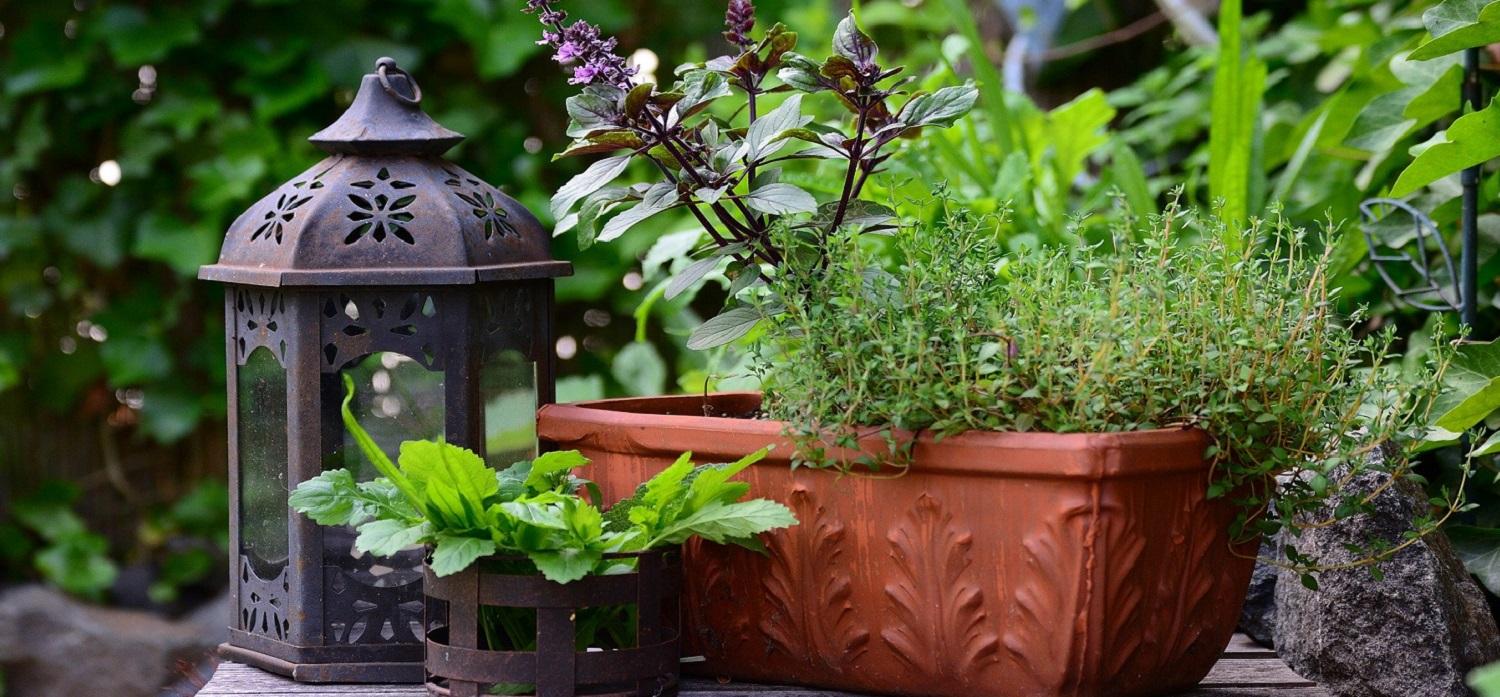
Imagine stepping into your kitchen and snipping fresh basil for a Caprese salad, or adding homegrown mint to your evening tea – all without leaving the comfort of your home. Sounds dreamy, right? With the right setup, growing your own herbs indoors is easier than you might think, and it's a fantastic way to bring a little bit of nature indoors.
Growing herbs indoors isn't just about convenience; it's a lifestyle enhancer. Fresh herbs elevate your cooking to a whole new level, infusing dishes with vibrant flavors and aromas that dried herbs simply can't match. Plus, the act of tending to your own little garden is incredibly therapeutic. It’s a chance to connect with nature, reduce stress, and enjoy the satisfaction of nurturing something beautiful and useful. And who wouldn't love the fresh, clean fragrance wafting through your home? Let’s dive into everything you need to know about indoor containers for growing herbs!
Choosing the Right Indoor Containers for Growing Herbs
The foundation of a successful indoor herb garden is choosing the right containers. This isn't just about aesthetics (although that's certainly a factor!). The right container provides proper drainage, adequate space for root growth, and helps regulate moisture levels.
Material Matters: Terracotta pots are a classic choice. They're porous, which allows the soil to breathe and prevents overwatering. However, they also dry out faster, so you'll need to water more frequently. Plastic pots are less expensive and retain moisture better, but overwatering can be a risk. Glazed ceramic pots are beautiful and come in a wide range of styles, but make sure they have drainage holes. Other options include metal containers (ensure they're rust-proof) and even repurposed items like mason jars (with added drainage!). Size is Key: Consider the mature size of the herbs you plan to grow. Mint and oregano, for example, are vigorous growers and will need larger pots (at least 6-8 inches in diameter) than thyme or chives (4-6 inches). Starting with smaller pots and transplanting as the herbs grow is also an option. Drainage is Non-Negotiable:This is arguably the most important factor. Herbs don't like to sit in soggy soil, which can lead to root rot. Make sure your containers have drainage holes. If they don't, you can drill them yourself (exercise caution!). Adding a layer of gravel or pebbles at the bottom of the pot can also improve drainage, although some debate its effectiveness. A better approach is to use well-draining potting mix and avoid overwatering.
Essential Supplies for Your Indoor Herb Garden
Beyond the containers themselves, there are a few other essential supplies you'll need to create a thriving indoor herb garden.
Potting Mix: Don't use garden soil in your indoor containers! It's too heavy and doesn't drain well. Instead, opt for a high-quality potting mix specifically formulated for containers. These mixes are typically lighter and contain ingredients like peat moss, perlite, or vermiculite to improve drainage and aeration. You can also create your own mix by combining equal parts of potting soil, perlite, and compost. Watering Can: A watering can with a long, narrow spout is ideal for reaching the soil without splashing the leaves. Avoid using tap water if possible; it can contain chlorine and other chemicals that can harm your herbs. Rainwater or filtered water is a better option. Plant Food: Herbs need nutrients to thrive, especially when grown in containers. A balanced liquid fertilizer, diluted to half strength, can be applied every few weeks during the growing season. Organic options like compost tea or fish emulsion are also excellent choices. Grow Lights (Optional): If you don't have a sunny windowsill, grow lights can provide the light your herbs need. LED grow lights are energy-efficient and come in a variety of sizes and spectrums. Pruning Shears or Scissors:Regular pruning is essential for keeping your herbs healthy and productive. Use sharp, clean shears or scissors to snip off stems and leaves.
Best Herbs to Grow Indoors in Containers
Not all herbs are created equal when it comes to indoor growing. Some are more adaptable to the lower light levels and controlled environments of our homes. Here are a few of the best herbs to grow indoors: Basil: A kitchen staple! Basil thrives in warm, sunny locations. 'Genovese' and 'Thai' basil are popular choices. Mint: Known for its refreshing flavor, mint is easy to grow but can be invasive, so keep it contained! Peppermint and spearmint are common varieties. Chives: These onion-flavored herbs are easy to grow and add a subtle zest to many dishes. Parsley: Another versatile herb, parsley prefers partial shade and consistent moisture. Oregano: A robust and flavorful herb that's perfect for Mediterranean dishes. Thyme: This low-growing herb is relatively drought-tolerant and adds a savory flavor to soups and stews. Rosemary:While rosemary can be a bit more challenging, it's worth the effort for its aromatic flavor and attractive foliage. It needs plenty of sunlight and well-drained soil.
Can herbs really grow indoors in winter?
Yes, absolutely! While outdoor herb gardens might go dormant during the colder months, indoor herb gardens can thrive year-round, provided you give them the right conditions. Adequate light is key, so supplement with grow lights if needed. Also, be mindful of humidity levels, which tend to be lower in winter. You might need to mist your herbs occasionally or use a humidifier.
Which herbs grow faster in pots?
Mint, chives, and basil are generally fast growers when planted in pots. Mint in particular can become quite prolific and may require frequent trimming. Starting with established seedlings rather than seeds can also speed up the process.
What are some creative indoor herb ideas?
Get creative with your indoor herb garden! Consider a vertical herb garden using stacked planters or a wall-mounted system. Repurpose old teacups or mugs as individual herb planters. Label your herbs with decorative plant markers. And don't be afraid to mix and match different herbs in the same container, just be sure to choose herbs with similar growing requirements. A windowsill herb garden is a classic choice, but you can also create an herb garden on a countertop, shelf, or even hanging from the ceiling.
Caring for Your Indoor Herb Garden
Once you've set up your indoor herb garden, proper care is essential for keeping your plants healthy and productive.
Light: Most herbs need at least 6-8 hours of sunlight per day. A south-facing window is ideal. If you don't have enough natural light, supplement with grow lights. Rotate your plants regularly to ensure even growth. Watering: Water your herbs when the top inch of soil feels dry to the touch. Avoid overwatering, which can lead to root rot. Water deeply, allowing excess water to drain out of the bottom of the pot. Fertilizing: Feed your herbs every few weeks during the growing season with a balanced liquid fertilizer, diluted to half strength. Pruning: Regular pruning is essential for encouraging bushy growth and preventing your herbs from becoming leggy. Snip off the tips of the stems and any yellowing or dead leaves. Harvest herbs regularly to encourage new growth. Pest Control: Keep an eye out for pests like aphids, spider mites, and whiteflies. If you spot any pests, treat them promptly with insecticidal soap or neem oil. Repotting: As your herbs grow, they may need to be repotted into larger containers. If you see roots circling the bottom of the pot, it's time to repot.
Troubleshooting Common Indoor Herb Problems
Even with the best care, you may encounter some challenges along the way. Here are a few common problems and how to solve them: Yellowing Leaves: This can be caused by overwatering, underwatering, nutrient deficiencies, or lack of light. Adjust your watering schedule, fertilize regularly, and ensure your herbs are getting enough light. Leggy Growth: This is usually caused by insufficient light. Move your herbs to a sunnier location or supplement with grow lights. Prune back the leggy stems to encourage bushier growth. Root Rot: This is caused by overwatering. Ensure your containers have drainage holes and allow the soil to dry out slightly between waterings. If root rot is severe, you may need to repot your herbs with fresh soil. Pests: As mentioned earlier, pests can be a problem. Inspect your herbs regularly and treat any infestations promptly.
Ready to embark on your indoor herb growing journey? It’s a rewarding experience that brings the flavors and fragrance of nature right into your home. Don't be afraid to experiment with different herbs, containers, and growing techniques. With a little patience and care, you'll be enjoying fresh, homegrown herbs in no time! Happy gardening!
Post a Comment for "Indoor Containers for Growing Herbs"