How to Grow Herbs Indoors With No Garden Space
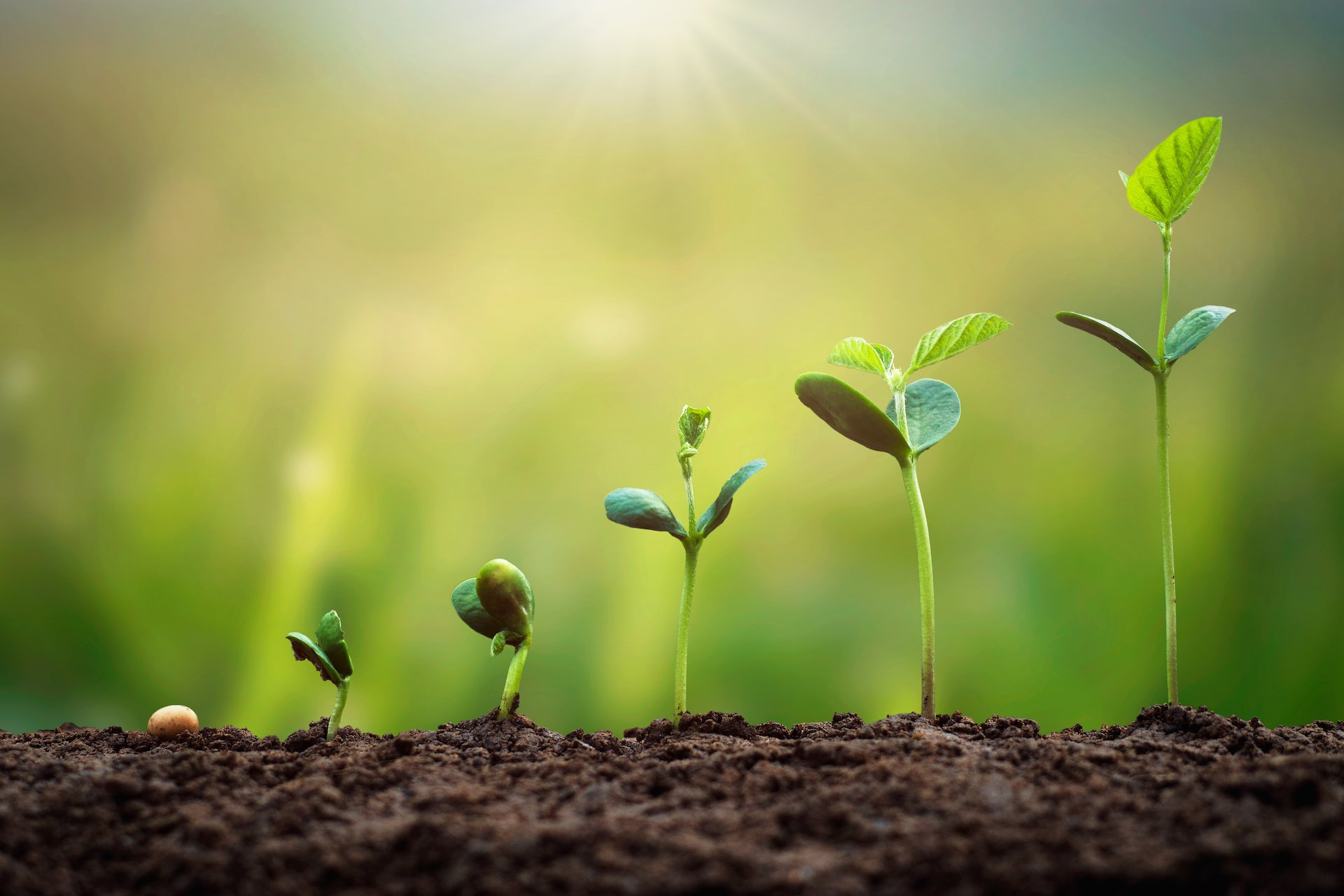
Dreaming of fresh, fragrant herbs at your fingertips but convinced your lack of a garden means you’re out of luck? Think again! Growing herbs indoors is not only possible, but it's surprisingly easy and rewarding, even if you only have a sunny windowsill.
Imagine stepping into your kitchen and snipping fresh basil for a Caprese salad, or adding a sprig of rosemary to your roast chicken, all without having to brave the elements or trek to the grocery store. Growing herbs indoors brings the garden to you, offering fresh flavors, delightful aromas, and a touch of green to brighten your living space. Plus, it's a fantastic way to reduce your reliance on store-bought herbs, which can be expensive and lack the vibrant taste of homegrown varieties. It's also incredibly satisfying to nurture something from a tiny seed or seedling to a thriving plant that enhances your meals and your well-being. Let’s get growing!
Getting Started: Choosing the Right Herbs and Location
The key to successfully growing herbs indoors with no garden space is selecting the right herbs and providing them with the right environment. Not all herbs are created equal when it comes to indoor cultivation. Some thrive indoors with minimal fuss, while others require more specific conditions.
For beginners, I always recommend starting with these reliable and relatively easy-to-grow herbs: Basil: A culinary staple that loves warmth and sunshine. Mint: A vigorous grower, best kept in its own pot to prevent it from taking over. Chives: A member of the onion family, adding a subtle onion flavor to dishes. Parsley: Available in flat-leaf and curly varieties, both are easy to grow indoors. Oregano: A Mediterranean herb with a strong, pungent flavor. Thyme: Another Mediterranean herb that thrives in well-drained soil and plenty of sunlight.
Once you've chosen your herbs, it's time to find the perfect spot. Most herbs need at least six hours of sunlight per day to thrive. A south-facing windowsill is ideal, but an east- or west-facing window can also work. If you don't have access to enough natural light, you can supplement with a grow light.
What if I don't have a sunny windowsill?
Don't despair! Even if your home is lacking in natural sunlight, you can still grow herbs indoors with the help of artificial light. Grow lights come in a variety of sizes and styles, from small clip-on lights to larger, more powerful setups. Look for LED grow lights, as they are energy-efficient and produce the right spectrum of light for plant growth. Place the grow light a few inches above your herbs and keep it on for 12-16 hours per day.
Setting Up Your Indoor Herb Garden: Containers, Soil, and Watering
Now that you've selected your herbs and found the perfect location, it's time to get your hands dirty! Here's what you'll need to set up your indoor herb garden: Containers: Choose pots that are at least 6 inches in diameter with drainage holes. Terracotta pots are a good choice, as they allow the soil to breathe and prevent overwatering. You can also use plastic pots, but be sure to monitor the soil moisture carefully. Potting Soil: Use a high-quality potting mix that is specifically formulated for container gardening. Avoid using garden soil, as it can be too heavy and may contain pests or diseases. A good potting mix will be light, airy, and well-draining. Watering: Water your herbs when the top inch of soil feels dry to the touch. Avoid overwatering, as this can lead to root rot. Water thoroughly, until water drains out of the drainage holes. Fertilizer: Herbs don't need a lot of fertilizer, but a light feeding every few weeks can help them stay healthy and productive. Use a balanced liquid fertilizer, diluted to half strength. Drainage:Always make sure your pots have adequate drainage. You can add a layer of gravel or pebbles to the bottom of the pot to improve drainage. This is especially important for herbs that are sensitive to overwatering, such as rosemary and thyme.
It's often a good idea to plant each herb in its own pot, especially if you're growing mint, which tends to spread aggressively. This also allows you to tailor the watering and fertilizing schedule to the specific needs of each herb.
Can herbs really grow indoors in winter?
Absolutely! In fact, growing herbs indoors during the winter months is a great way to enjoy fresh herbs year-round. The key is to provide them with enough light and warmth. If you live in a cold climate, you may need to supplement with a grow light and keep your herbs away from drafty windows. Also, be mindful that the air inside during winter tends to be much drier, so you may need to water more frequently.
Caring for Your Indoor Herb Garden: Light, Pruning, and Pest Control
Once your indoor herb garden is established, it's important to provide ongoing care to keep your herbs healthy and productive. Here are a few tips: Light: Monitor the amount of light your herbs are receiving and adjust their location accordingly. If the leaves start to turn yellow or pale, it's a sign that they need more light. Pruning: Regular pruning is essential for keeping your herbs bushy and productive. Pinch off the tips of the stems to encourage branching. You can also harvest leaves as needed for cooking. Pest Control: Keep an eye out for pests such as aphids, spider mites, and whiteflies. If you notice any pests, you can try spraying them with insecticidal soap or neem oil. You can also remove them by hand. Rotation: Every few weeks, rotate your herb pots to ensure that all sides of the plant receive equal light exposure. This will prevent the plants from leaning towards the light source and becoming leggy. Humidity:Some herbs, like basil and mint, prefer a slightly more humid environment. You can increase the humidity around your plants by placing a tray of water near them or using a humidifier.
Don't be afraid to experiment with different techniques to find what works best for your herbs and your growing environment.
Which herbs grow faster in pots?
Some herbs naturally grow faster in pots than others. Mint, basil, and chives are known for their rapid growth and can quickly fill out a container. Parsley and cilantro are also relatively fast-growing herbs that are well-suited for indoor cultivation. Slower-growing herbs like rosemary and thyme may take longer to establish, but they are still excellent choices for an indoor herb garden.
Harvesting and Using Your Fresh Herbs
One of the best parts of growing herbs indoors is being able to harvest fresh herbs whenever you need them. To harvest your herbs, simply snip off the leaves or stems with a pair of scissors or pruning shears. Harvest herbs in the morning, after the dew has dried, for the best flavor.
Here are a few tips for using your fresh herbs: Basil: Use fresh basil in pesto, salads, pasta dishes, and tomato sauces. Mint: Add fresh mint to teas, cocktails, salads, and desserts. Chives: Sprinkle chopped chives on salads, soups, omelets, and baked potatoes. Parsley: Use fresh parsley as a garnish, or add it to soups, stews, and sauces. Oregano: Add fresh oregano to pizza, pasta sauces, and Mediterranean dishes. Thyme: Use fresh thyme in soups, stews, roasts, and vegetable dishes.
You can also dry your herbs to preserve them for later use. To dry herbs, simply hang them upside down in a cool, dark, and dry place. Once they are completely dry, you can store them in airtight containers. Alternatively, you can dry herbs in a dehydrator or in a low oven.
Growing herbs indoors is a rewarding and enjoyable experience that can add fresh flavor and fragrance to your life. Don't be afraid to experiment with different herbs and techniques to find what works best for you. With a little bit of care and attention, you can enjoy a bountiful harvest of fresh herbs all year round, no garden required. So, go ahead, get your hands dirty, and start growing your own little indoor oasis!
Post a Comment for "How to Grow Herbs Indoors With No Garden Space"