Herbs You Can Grow in Small Pots at Home
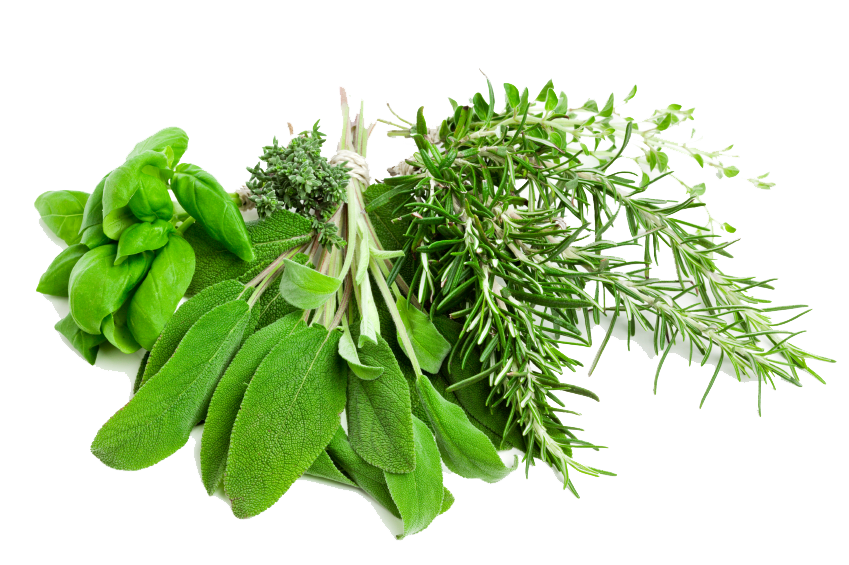
Imagine stepping into your kitchen and snipping fresh, fragrant herbs to elevate your next meal. Sounds idyllic, right? The good news is, you don’t need acres of land to make this a reality. Growing herbs in small pots at home is surprisingly easy and rewarding, even if you only have a windowsill to spare.
Growing herbs in small pots brings the freshness and vibrancy of the garden right into your home. Not only does it enhance your culinary creations with unparalleled flavors, but it also adds a touch of greenery to your living space, boosting your mood and purifying the air. Plus, it’s incredibly satisfying to nurture something from a tiny seed (or seedling!) to a thriving plant. With a little know-how, you can enjoy a constant supply of your favorite herbs, all within arm's reach. It's a fantastic gateway into gardening, a creative outlet, and a delicious way to enhance your everyday life.
Choosing the Right Herbs for Small Spaces
Not all herbs are created equal when it comes to container gardening. Some herbs are naturally compact and thrive in smaller pots, while others tend to sprawl and require more room to flourish. Selecting the right herbs is the first step to success in your indoor herb garden. Here are a few of the best herbs to grow in small pots at home: Basil: This beloved herb is a must-have for any kitchen garden. Look for compact varieties like 'Spicy Globe' or 'Genovese Compact' which stay relatively small and bushy. Regular harvesting encourages more growth, keeping the plant tidy. Chives: These onion-flavored herbs are incredibly easy to grow and add a delicate flavor to salads, soups, and dips. They have a clumping growth habit, making them ideal for small pots. Plus, their purple flowers are a beautiful bonus! Mint: While mint can be invasive in the garden, it's perfectly well-behaved in a pot. Choose your favorite variety – peppermint, spearmint, chocolate mint – and enjoy its refreshing flavor in teas, cocktails, and desserts. Remember to keep mint contained, as it can still spread within a pot via its roots. Parsley: Whether you prefer flat-leaf (Italian) or curly parsley, this versatile herb is easy to grow from seed and thrives in containers. It's a biennial, meaning it will produce leaves for two seasons before going to seed. Thyme: This aromatic herb comes in many varieties, from common thyme to lemon thyme. It's a low-growing, drought-tolerant plant that's perfect for small pots and rock gardens. Oregano: Another Mediterranean favorite, oregano, is relatively easy to grow in small pots. It's best to select a compact variety that will not outgrow its container quickly.
Essential Container Gardening Tips for Herbs
Once you've chosen your herbs, it's time to set them up for success. Here's a breakdown of the key factors to consider: Pot Size: While you're aiming for "small pots," make sure they're nottoosmall. A pot that's at least 6 inches in diameter and depth will provide enough room for the roots to grow. Ensure the pot has drainage holes to prevent waterlogging, which can lead to root rot. Soil: Use a high-quality potting mix specifically formulated for containers. Garden soil is too heavy and doesn't drain well in pots. Look for a mix that contains peat moss, perlite, or vermiculite for good drainage and aeration. Light: Most herbs need at least 6 hours of sunlight per day. Place your pots in a sunny windowsill or under grow lights. If you don't have enough natural light, consider using a full-spectrum LED grow light. Watering: Water your herbs when the top inch of soil feels dry to the touch. Avoid overwatering, which can lead to root rot. Ensure your pots have adequate drainage, allowing excess water to escape. Check your pots daily, especially during warmer months, as soil dries out faster in small containers. Fertilizing: Herbs don't need a lot of fertilizer, but a little boost can help them thrive. Use a diluted liquid fertilizer specifically formulated for herbs or vegetables every few weeks during the growing season. Alternatively, incorporate slow-release fertilizer granules into the potting mix when planting. Pruning & Harvesting: Regular pruning is essential for keeping your herbs compact and productive. Pinch off the tips of the stems to encourage branching and prevent the plant from becoming leggy. Harvest leaves regularly, which will also stimulate new growth.
Can herbs really grow indoors in winter?
Yes, many herbs can thrive indoors during the winter months! The key is to provide them with enough light, warmth, and humidity. A south-facing windowsill is ideal, but if you don't have one, you can supplement with grow lights. Keep the plants away from drafts and consider using a humidifier to increase the humidity levels. Some herbs, like rosemary, might appreciate a cooler period. Providing a resting period for plants in the winter can extend their life and encourage new growth in the spring.
Which herbs grow faster in pots?
Some of the fastest-growing herbs in pots include basil, mint, chives, and parsley. These herbs tend to germinate and mature quickly, providing you with a harvest within a few weeks of planting. Remember that growth rate can be affected by environmental factors like light, temperature, and watering. Ensuring optimal conditions can make a significant difference in how quickly your herbs flourish.
What are the best shade-loving herbs for containers?
While most herbs prefer full sun, some tolerate partial shade. Mint, parsley, chives, and cilantro are good choices for containers in shadier locations. Keep in mind that these herbs may not grow as vigorously or produce as many leaves as they would in full sun, but they can still provide a flavorful harvest. Monitor your plants closely and adjust their location if needed to ensure they're getting enough light.
Creative Container Gardening Ideas for Herbs
Beyond the basics, get creative with your herb garden! Here are a few ideas to spark your inspiration: Tiered planters: Create a stunning display with a tiered planter, allowing you to grow multiple herbs in a small space. Hanging baskets: Hang baskets near your kitchen window for easy access to fresh herbs. Upcycled containers: Repurpose old teacups, mason jars, or even tin cans into charming herb pots. Window boxes: Transform your windowsill into a mini herb garden with a window box. Living walls:Vertical gardening is a great way to maximize space. Create a living wall with small herb pots.
Don't be afraid to experiment with different combinations of herbs in your containers. Consider planting herbs with similar needs together. For example, basil and oregano both prefer well-drained soil and plenty of sun. Or, create a themed container, such as an "Italian herb garden" with basil, oregano, thyme, and rosemary. The possibilities are endless!
Growing herbs in small pots at home is a journey of discovery and a delightful way to connect with nature. Don't be discouraged if you encounter a few challenges along the way – every gardener learns through trial and error. The important thing is to start, experiment, and enjoy the process. Soon, you'll be harvesting your own homegrown herbs and savoring the incredible flavors they bring to your cooking. So, grab a few pots, some seeds, and get ready to embark on your own indoor herb gardening adventure!
Post a Comment for "Herbs You Can Grow in Small Pots at Home"