Best Herbs for Balcony Herb Gardens
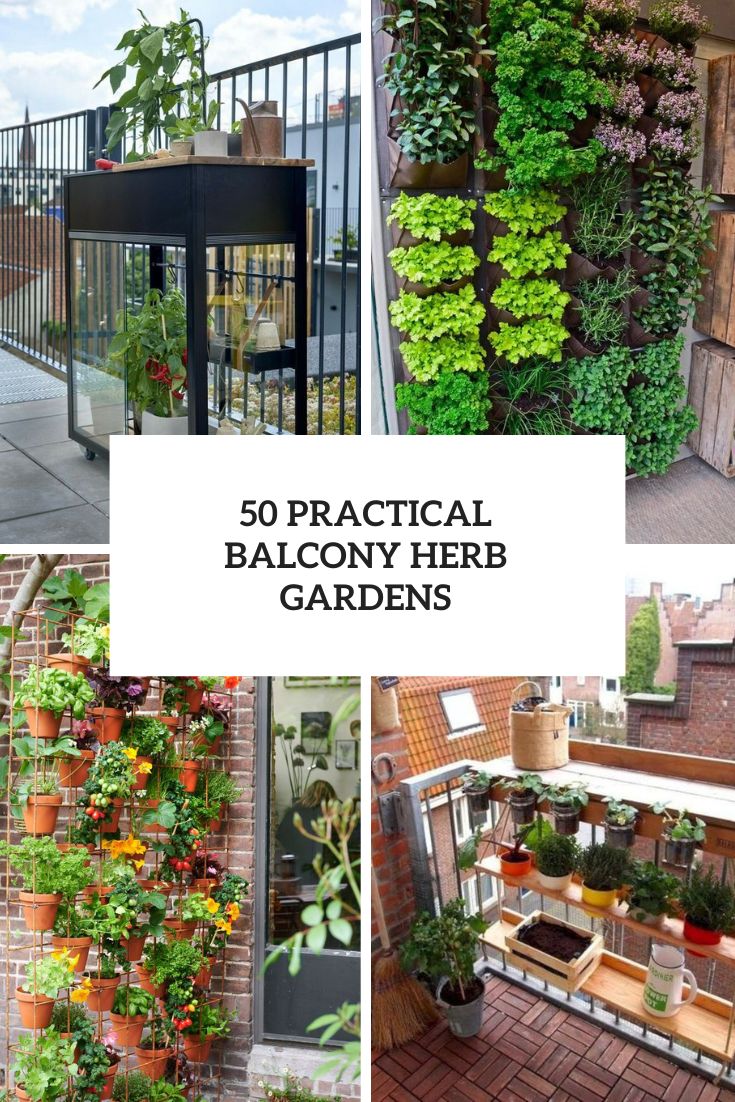
Imagine stepping onto your balcony, the aroma of fresh herbs filling the air, and knowing that the perfect seasoning for tonight's dinner is just a snip away. Sounds dreamy, right? Growing herbs on your balcony isn't just a whimsical idea; it's a fantastic way to bring fresh flavors, delightful fragrances, and a touch of nature right to your doorstep, even in the smallest of spaces.
Why dedicate your precious balcony space to herbs? The benefits are endless! Not only will you have a readily available supply of organic ingredients for your culinary creations, but you'll also enjoy the therapeutic effects of tending to living plants. Fresh herbs elevate everything from simple salads to gourmet meals, and growing them yourself means you know exactly what's going into your food – no pesticides, no hidden ingredients, just pure, natural goodness. Plus, a thriving balcony herb garden is a beautiful and relaxing addition to any home.
Choosing the Best Herbs for Your Balcony Garden
Selecting the right herbs is crucial for a successful balcony garden. Consider factors like sunlight exposure, available space, and your personal culinary preferences. Here's a breakdown of some of the best herbs to grow in containers, perfect for transforming your balcony into a fragrant and functional oasis: Basil: A warm-weather favorite, basil thrives in sunny spots and comes in numerous varieties, from classic Genovese to lemon and Thai basil. It's incredibly versatile in the kitchen, perfect for pesto, salads, and pasta dishes. Regular pruning encourages bushier growth and prevents it from going to seed. Mint: Known for its refreshing flavor and vigorous growth, mint is a must-have for teas, cocktails, and desserts. Be warned: mint spreads aggressively, so always plant it in its own container to prevent it from taking over your other herbs. Peppermint and spearmint are popular choices. Rosemary: This woody herb loves sunshine and well-drained soil. Rosemary adds a savory depth to roasted meats, vegetables, and breads. It's also relatively drought-tolerant, making it a low-maintenance option for busy gardeners. Thyme: Another sun-loving herb, thyme comes in many varieties, each with a unique flavor profile. It's excellent for seasoning soups, stews, and meats. Thyme is also relatively low-growing, making it a good choice for edging or spilling over the sides of containers. Chives: With their mild onion flavor, chives are a versatile addition to any kitchen garden. They thrive in partial shade and are easy to grow. Snip the leaves as needed to add a fresh, flavorful garnish to salads, soups, and omelets. Parsley: Both curly and flat-leaf parsley are easy to grow and incredibly useful in the kitchen. Parsley prefers partial shade and moist soil. It's a great source of vitamins and minerals, and its fresh, clean flavor enhances a wide variety of dishes. Oregano: This Mediterranean herb loves sunshine and well-drained soil. Oregano is essential for Italian and Greek cuisine, adding a robust, savory flavor to pizzas, pastas, and grilled meats. Cilantro: A staple in Mexican and Asian cuisine, cilantro prefers cooler temperatures and partial shade. It tends to bolt (go to seed) quickly in hot weather, so consider planting it in succession to ensure a continuous supply.
Setting Up Your Balcony Herb Garden: Container Gardening Tips
Once you've chosen your herbs, it's time to set up your balcony garden. Here are some essential container gardening tips to ensure your herbs thrive:
1.Choose the Right Containers: Select containers that are appropriately sized for the herbs you're growing. Most herbs need at least 6-8 inches of soil depth. Make sure the containers have drainage holes to prevent waterlogging. Consider using terracotta pots, plastic containers, or even repurposed items like old buckets or crates.
2.Use High-Quality Potting Mix: Avoid using garden soil in containers, as it can become compacted and poorly drained. Instead, use a well-draining potting mix specifically formulated for container gardening. You can also add compost to improve drainage and nutrient content.
3.Ensure Adequate Sunlight: Most herbs need at least 6 hours of sunlight per day. Place your containers in a sunny spot on your balcony. If your balcony is shaded, choose shade-tolerant herbs like mint, parsley, and chives.
4.Water Regularly: Check the soil moisture regularly and water when the top inch feels dry to the touch. Avoid overwatering, as this can lead to root rot. Water deeply, allowing the water to drain out of the drainage holes.
5.Fertilize as Needed: Herbs don't need heavy fertilization, but a light feeding of a balanced organic fertilizer every few weeks can help them thrive. Follow the instructions on the fertilizer packaging.
6.Prune Regularly: Pruning encourages bushier growth and prevents herbs from going to seed. Snip off leaves and stems regularly, using them in your cooking. You can also pinch off flower buds to encourage more leaf production.
Troubleshooting Common Balcony Herb Garden Problems
Even with the best planning, you may encounter some challenges in your balcony herb garden. Here are some common problems and how to address them: Yellowing Leaves: This can be caused by overwatering, underwatering, or nutrient deficiencies. Check the soil moisture and adjust your watering accordingly. If the problem persists, try fertilizing with a balanced fertilizer. Pests: Aphids, spider mites, and whiteflies can sometimes infest herbs. Inspect your plants regularly and treat infestations promptly with insecticidal soap or neem oil. Powdery Mildew: This fungal disease appears as a white powdery coating on the leaves. Improve air circulation and treat with a fungicide if necessary. Bolting: This occurs when herbs go to seed prematurely, often due to hot weather or stress. Pinch off flower buds to delay bolting and harvest leaves frequently.
Can herbs really grow indoors in winter?
Yes, absolutely! Many herbs can thrive indoors during the winter months with a little extra care. Providing adequate light is crucial; a sunny windowsill or a grow light can make all the difference. Ensure proper drainage and avoid overwatering, as indoor environments tend to be less forgiving. Herbs like rosemary, thyme, oregano, mint, chives, and parsley adapt well to indoor conditions, allowing you to enjoy fresh flavors year-round.
Which herbs grow faster in pots?
Herbs like basil, mint, chives, and cilantro are known for their relatively quick growth rates in pots. They tend to establish themselves rapidly and produce abundant foliage within a few weeks. Regular harvesting and pruning can further encourage growth and keep them producing flavorful leaves throughout the growing season.
What are the best shade-loving herbs for a balcony garden?
If your balcony receives limited sunlight, don't worry – you can still grow a thriving herb garden! Some of the best shade-loving herbs include mint, parsley, chives, and oregano. These herbs can tolerate partial shade and still provide you with plenty of fresh flavor.
Enjoying the Fruits (and Herbs!) of Your Labor
Once your balcony herb garden is established, the real fun begins: harvesting and enjoying your fresh herbs! Snip leaves and stems as needed for your culinary creations. Experiment with different flavor combinations and discover new ways to use your homegrown herbs. Not only will you elevate your cooking, but you'll also enjoy the satisfaction of growing your own food in a small urban space.
Growing herbs on your balcony is a rewarding experience that brings fresh flavors, delightful fragrances, and a touch of nature to your home. Don't be afraid to experiment with different herbs and techniques to find what works best for you and your space. With a little planning and care, you can transform your balcony into a thriving oasis of flavor and fragrance, ready to enhance your culinary adventures all year round. So grab your gardening gloves, choose your favorite herbs, and get ready to enjoy the delicious rewards of your very own balcony herb garden. Happy gardening!
Post a Comment for "Best Herbs for Balcony Herb Gardens"