Cilantro Herb Growing Tips Chefs Wish You Knew
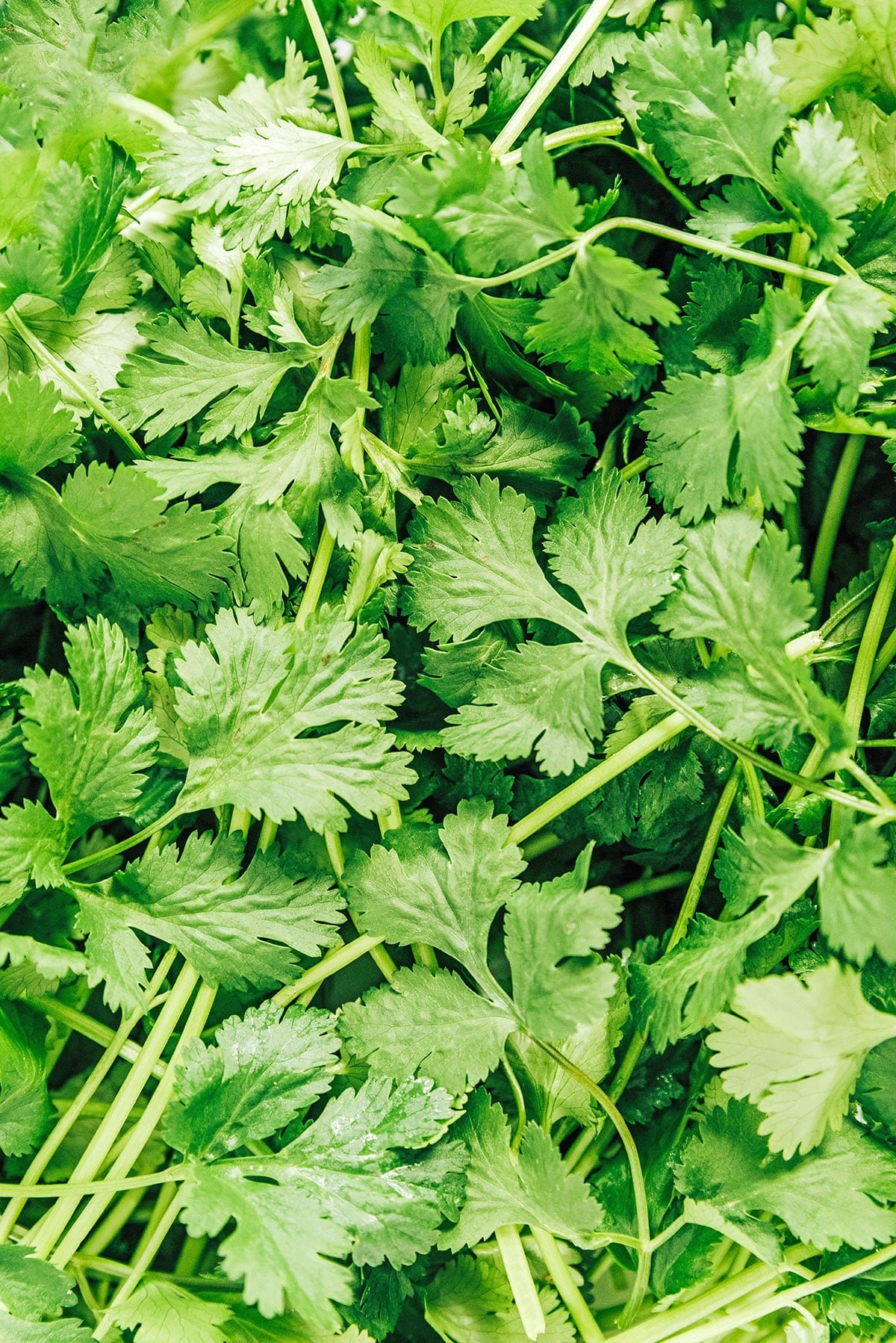
Ever wonder how chefs manage to have vibrant, flavorful cilantro on hand, ready to elevate their dishes at a moment’s notice? It's not just luck! Growing cilantro can be a bit of a puzzle, especially if you’ve experienced it bolting (going to seed) before you even get a decent harvest. But with a few insider secrets, you can have a continuous supply of this beloved herb right at your fingertips, impressing your friends and family with your culinary creations.
Why should you bother growing your own cilantro? Fresh cilantro adds an incredible zing to everything from tacos and salsas to stir-fries and salads. Store-bought cilantro often wilts quickly and lacks that intense, bright flavor. Plus, growing your own herbs is incredibly rewarding – you control the quality, avoid pesticides, and have a constant source of fresh, aromatic leaves just steps away. Imagine stepping into your garden or even just over to your windowsill and snipping the perfect amount of cilantro to finish a dish. That’s the power of knowing these secrets!
Cilantro Secrets: From Seed to Supper
Chefs understand that consistently great cilantro starts with understanding its unique needs. Here are some cilantro herb growing tips chefs wish you knew – practical advice to help you cultivate a thriving cilantro patch.
1. Timing is Everything: Succession Planting. This is perhaps the most crucial tip. Cilantro is a cool-season herb, meaning it thrives in temperatures between 50°F and 80°F (10°C and 27°C). Hot weather triggers bolting, which makes the leaves bitter and less desirable. The secret? Succession planting.
What it is: Sow a small batch of cilantro seeds every 2-3 weeks. This ensures a continuous harvest as one batch matures and another is just getting started. How to do it: Direct sow seeds ¼ inch deep in well-draining soil. Keep the soil consistently moist. Even if you're starting indoors, plan your planting schedule with succession in mind. Chef's trick:Mark your planting dates on a calendar or in a garden journal. This will help you track your progress and fine-tune your planting schedule for optimal harvests.
2. Location, Location, Location: Light and Shade Balance. Cilantro needs sunlight, but too much intense sun can also contribute to bolting. Finding the right balance is key.
Ideal conditions: Aim for 4-6 hours of direct sunlight per day. In hotter climates, provide afternoon shade to protect the plants from scorching. Container growing: If growing in containers, move them around as needed to control sun exposure. A spot that gets morning sun and afternoon shade is often ideal. Garden placement:Plant cilantro near taller plants that can provide some natural shade during the hottest part of the day. Consider companion planting with taller herbs like dill or chamomile.
3. Soil Matters: Drainage and Nutrients. Well-draining soil is essential for healthy cilantro growth. Soggy soil can lead to root rot and other problems.
Soil composition: Use a well-draining potting mix or amend your garden soil with compost and perlite to improve drainage. Nutrient needs: Cilantro isn't a heavy feeder, but it benefits from a balanced fertilizer. Use a liquid fertilizer diluted to half strength every few weeks to encourage healthy growth. p H level:Cilantro prefers a slightly acidic to neutral soil p H of 6.0 to
7.0.4. Water Wisely: Consistent Moisture.Cilantro needs consistent moisture, but avoid overwatering. The goal is to keep the soil consistently moist but not soggy.
Watering frequency:Water deeply whenever the top inch of soil feels dry to the touch. Mulching: Apply a layer of mulch around the plants to help retain moisture and suppress weeds. Avoid overhead watering:Water at the base of the plants to prevent fungal diseases.
5. Harvesting for Success: Regular Snipping. Regular harvesting actually encourages cilantro to produce more leaves. Don't be afraid to snip away!
When to harvest: Start harvesting when the plants are about 6 inches tall. How to harvest: Snip off the outer leaves, leaving the inner leaves to continue growing. Avoid cutting more than one-third of the plant at a time. Chef's secret:Harvest in the morning, after the dew has dried but before the sun gets too hot. This is when the leaves have the most flavor.
6. Bolting Prevention: Understanding the Triggers. Knowing why cilantro bolts is half the battle. Besides heat, other factors can contribute to bolting.
Stress factors: Avoid stressing the plants by overwatering, underwatering, or transplanting them unnecessarily. Choose bolt-resistant varieties: Look for cilantro varieties that are specifically bred to be more resistant to bolting, such as 'Slow Bolt' or 'Long Standing'. Pinch off flower buds:If you see flower buds starting to form, pinch them off immediately to prolong the vegetative growth of the plant. This diverts the plant's energy back into producing leaves.
Troubleshooting Common Cilantro Problems
Even with the best intentions, you might encounter some challenges along the way. Here’s how to deal with common cilantro issues: Yellowing leaves: This can be a sign of overwatering, nutrient deficiency, or fungal disease. Adjust your watering habits, fertilize with a balanced fertilizer, and ensure good air circulation. Pests: Aphids and whiteflies can sometimes attack cilantro. Blast them off with a strong stream of water or use insecticidal soap. Bolting:If your cilantro bolts despite your best efforts, don't despair! Let it go to seed and collect the coriander seeds for future use. You can also use the cilantro flowers in salads or as a garnish.
Can herbs really grow indoors in winter?
Absolutely! Growing cilantro indoors during the winter is a great way to enjoy fresh herbs year-round. Place your cilantro plant in a sunny windowsill or under a grow light. Ensure good air circulation and maintain consistent moisture. Choose a pot with good drainage and use a well-draining potting mix. Succession planting is still important indoors to ensure a continuous supply.
Which herbs grow faster in pots?
Cilantro is an excellent choice for container gardening, along with other herbs like basil, mint, parsley, and chives. These herbs tend to have shallower root systems and thrive in the controlled environment of a pot. Just remember to choose a pot size appropriate for the herb and provide adequate drainage.
What are the best shade-loving herbs to grow?
While cilantro prefers some sun, it can also tolerate partial shade, especially in hotter climates. Other shade-loving herbs include mint, parsley, chives, and oregano. These herbs can thrive in areas that receive only a few hours of direct sunlight per day.
Beyond the Leaves: Coriander and Cilantro Roots
Don’t forget that cilantro is a two-for-one deal! Once your cilantro bolts, you get coriander seeds. These seeds are a wonderful spice with a warm, citrusy flavor, perfect for curries, rubs, and pickling.
And here’s a tip most home gardeners overlook: Don’t throw away the roots! Cilantro roots are a culinary treasure, especially in Southeast Asian cuisine. They have an even more intense flavor than the leaves. Clean them thoroughly and use them in soups, stir-fries, or as a flavor base for marinades.
Growing cilantro is a journey of experimentation and learning. Don’t be afraid to try different techniques, observe your plants closely, and adapt your approach as needed. With these chef-approved cilantro herb growing tips, you'll be well on your way to a bountiful harvest and a kitchen filled with fresh, flavorful herbs. Embrace the process, enjoy the aroma, and savor the taste of your homegrown cilantro!
Post a Comment for "Cilantro Herb Growing Tips Chefs Wish You Knew"